When a 1938 Radio Drama Started a Nationwide Panic
On the evening of October 30, 1938, Orson Welles’s radio adaptation of The War of the Worlds led many listeners to believe an actual Martian invasion was underway, provoking widespread alarm that became the first extensively documented mass panic caused by a broadcast.
On October 30, 1938, the Columbia Broadcasting System’s Mercury Theatre on the Air presented a radio adaptation of H. G. Wells’s novel The War of the Worlds, directed and narrated by Orson Welles. The program used simulated news bulletins and realistic sound effects to depict a Martian invasion in New Jersey. Many listeners tuned in late and missed the opening notice that the broadcast was a dramatization. As a result, a substantial number of people accepted the fictional bulletins as factual and reacted with fear.
Reports of panic—people fleeing homes, calling police, or congregating in public places—soon circulated in newspapers and law-enforcement records. Press accounts the next day emphasized dramatic incidents: callers to police stations demanding help, motorists driving erratically, and congregations seeking safety. Some towns reported temporary disruptions as residents sought information or tried to escape a perceived threat. These contemporaneous reports, plus later academic studies, establish the program as the first widely documented instance of mass panic triggered by a broadcast medium.
Historians note that the scale and uniformity of the panic have been debated. Early newspaper coverage likely amplified and sensationalized events; some later research suggests that the number of truly frightened listeners was smaller than initially reported and that many accounts were anecdotal or exaggerated. Sociologists and media scholars have used the incident as a case study in rumor propagation, media effects, and the interaction of mass communication and social context—especially given the tense political climate of late-1930s Europe and recent domestic anxieties, which made audiences more prone to alarm.
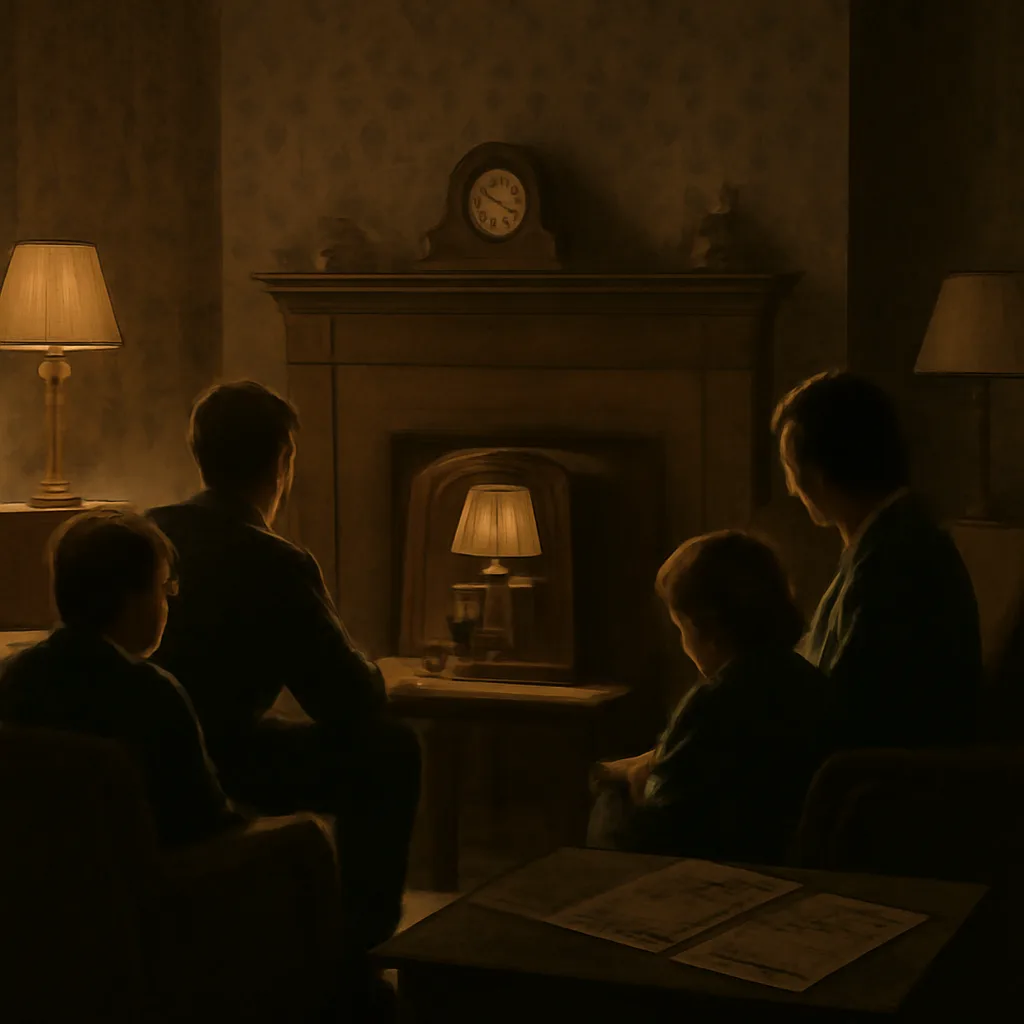
The broadcast’s format contributed to its impact. The program interspersed ordinary-sounding music and announcer segments with urgent-sounding simulated bulletins, creating a pattern that could plausibly be mistaken for real news by listeners who missed disclaimers. Radio in 1938 was a primary source of immediate information for many households; unlike today’s fragmented media environment, listeners tended to treat radio bulletins as authoritative. Additionally, the program aired without the frequent commercial breaks and sponsor tags that listeners associated with entertainment shows, reducing cues that it was fiction.
Official reactions followed quickly. The Federal Communications Commission investigated whether the broadcast violated broadcasting standards; newspapers editorialized about broadcasters’ responsibilities; and some local officials criticized the program for causing unnecessary alarm. Orson Welles and the Mercury Theatre faced intense public scrutiny, though Welles later defended the production as an artistic experiment in realism and social commentary. Over time, scholars have viewed the episode less as evidence of media-induced hysteria and more as an instructive moment about media literacy, the social context of news reception, and how institutions and journalists framed and amplified events.
The War of the Worlds broadcast remains a landmark in communications history. It demonstrated radio’s persuasive power, revealed vulnerabilities in how audiences interpret simulated news, and spurred debate about ethical broadcasting practices. While the exact extent of the panic is contested, the event’s documentation—contemporary press stories, police records, regulatory inquiries, and later scholarly analysis—cements its place as the first widely recorded instance of a media-driven mass panic in the United States.