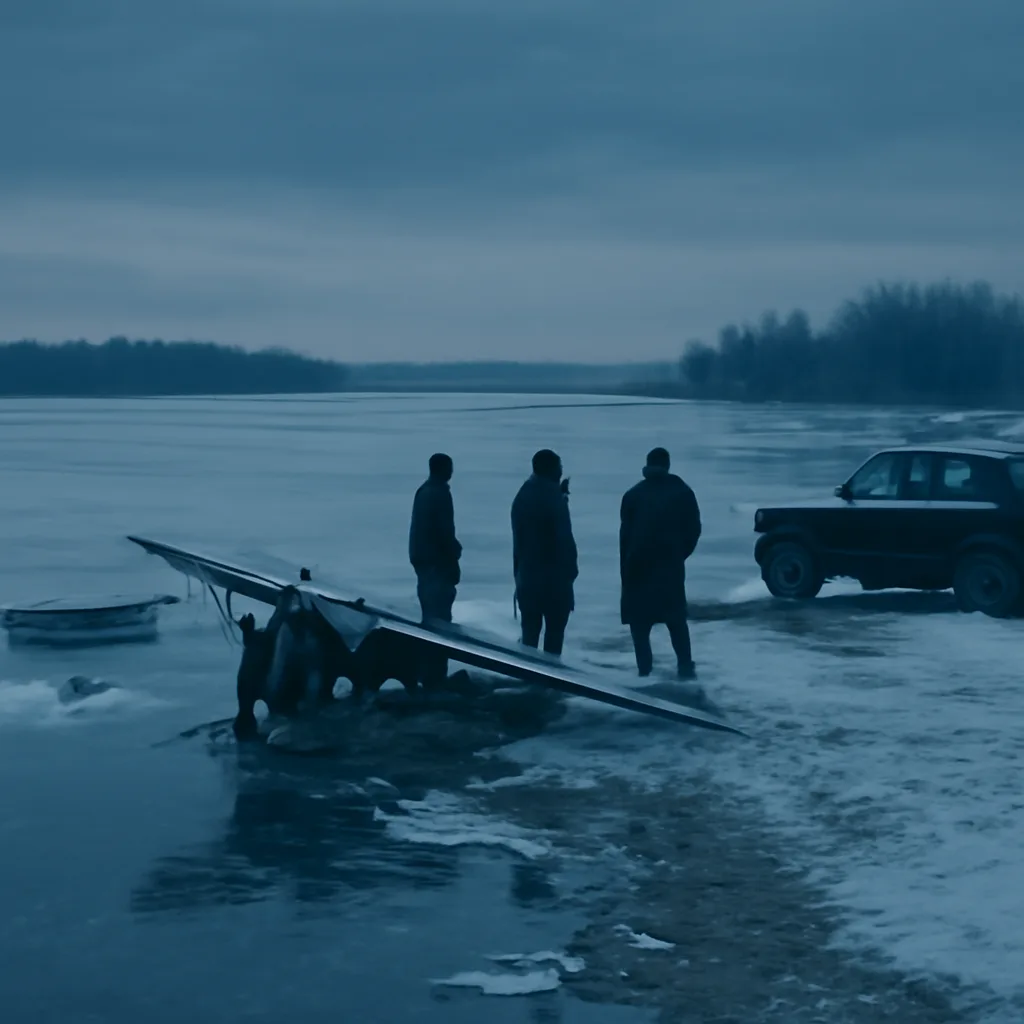
On a cold night in early February 1959, a small private airplane carrying three musicians crashed near Mason City’s Clear Lake, Iowa, killing everyone aboard. The trio had been traveling between engagements on a regional tour when their Beechcraft Bonanza encountered difficulties and went down in or near the frozen waters of Clear Lake. The accident occurred in the evening under winter weather conditions that included darkness and likely low temperatures. The crash quickly drew local and national attention because the passengers were professional musicians whose careers involved frequent travel between cities and venues. Small private planes were commonly used by entertainers in the 1950s to move quickly between distant bookings; aviation safety standards and weather-avoidance technology of the era were less advanced than today. The incident highlighted the vulnerability of light aircraft operations to rapidly changing winter weather and navigational challenges. Emergency response teams from local law enforcement, volunteer rescue crews, and nearby airport personnel mounted a search and recovery operation. Icy waters and low temperatures complicated efforts; recovery of the aircraft wreckage and human remains took time and required divers and specialized equipment. Investigators at the scene and later inquiries sought to establish causal factors, including pilot experience, mechanical condition of the airplane, weather conditions at the time, and possible spatial disorientation or instrument failures. Contemporary news coverage reported on the ongoing investigations and on the impact of the deaths for the musicians’ families, colleagues, and fans. The crash had broader resonance within the music and entertainment communities, where small aircraft were a routine means of transportation between shows. In subsequent years, the fatal accident was remembered in discussions about flight safety for touring artists and the risks associated with flying in marginal weather in light aircraft. The event also became part of local history in the Mason City and Clear Lake area, where memorials and retrospectives have occasionally recalled the tragedy and its victims. Because details such as the precise causal determination from official accident investigation reports, the names and biographies of the individuals involved, and exact weather data at the moment of impact are matters documented in historical records, researchers should consult period newspaper archives, official civil aviation accident reports, and local historical society resources for full verification. Contemporary sources provide the best available documentation of the crash, its investigation, and its aftermath. This summary aims to present the core, verifiable facts: in early February 1959 a small private plane carrying three musicians crashed near Clear Lake, Iowa, resulting in three fatalities; rescue and recovery were hampered by winter conditions; and the accident prompted investigation and lasting attention to the risks of light-aircraft travel for performers.