Feb. 3, 1959 plane crash kills Buddy Holly and two other musicians
On Feb. 3, 1959, a Beechcraft Bonanza carrying musicians Buddy Holly, Ritchie Valens and J.P. “The Big Bopper” Richardson crashed near Clear Lake, Iowa, killing all three and the pilot. The accident marked a turning point in rock history and is widely remembered as "The Day the Music Died."
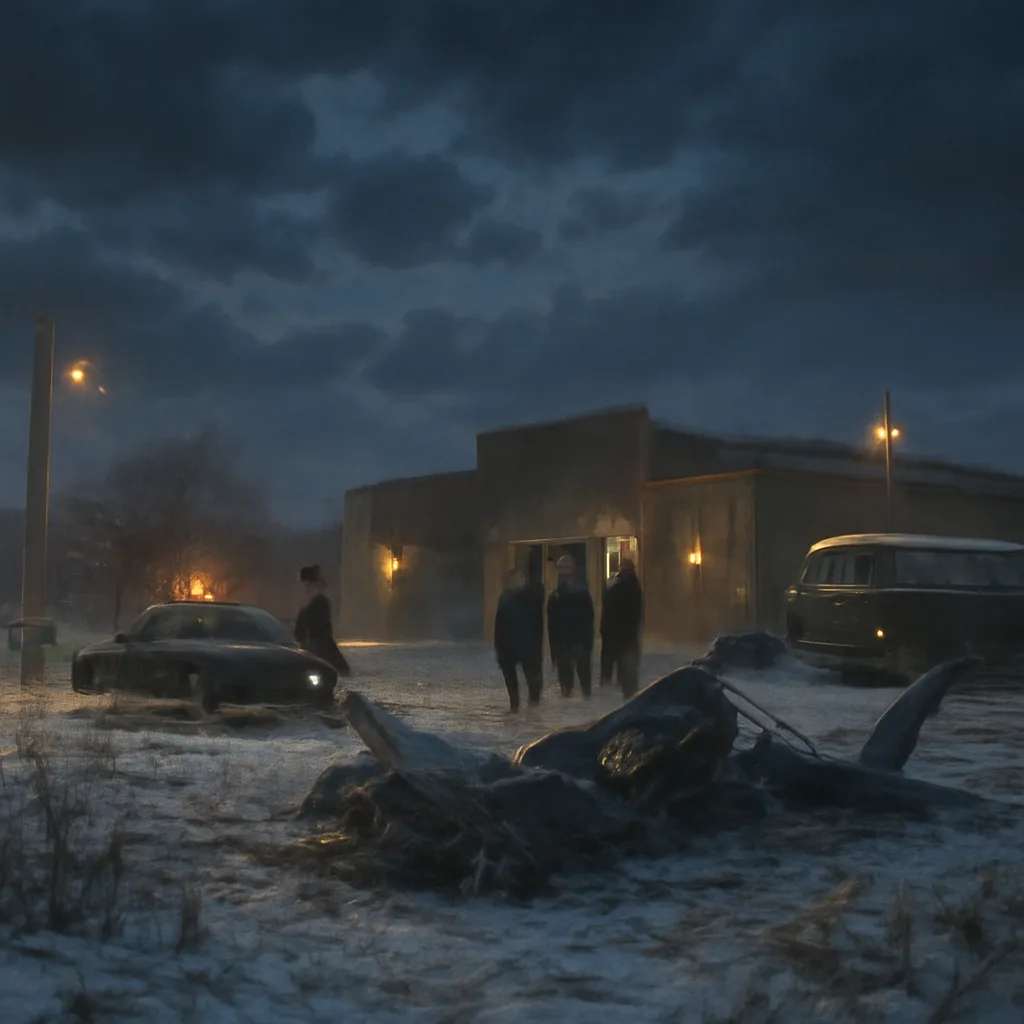
On the night of Feb. 3, 1959, a chartered Beechcraft Bonanza 35 aircraft carrying four people crashed in a cornfield near Clear Lake, Iowa, shortly after takeoff from Mason City Municipal Airport. The flight had been arranged to move performers between tour stops on the “Winter Dance Party” tour, which had been plagued by scheduling, travel difficulties and severe winter weather.
Passengers on the small single-engine plane were singer-guitarist Charles Hardin “Buddy” Holly, 22; rhythm-and-blues singer J.P. “The Big Bopper” Richardson, 28; rock-and-roll star Ritchie Valens, 17; and pilot Roger Peterson, 21. The musicians had been performing that night at the Surf Ballroom in Clear Lake and chartered the plane to reach the next engagement more quickly than the tour bus, which was suffering mechanical problems and heating failures.
Shortly before 1 a.m., the Bonanza took off in light snow and low visibility. Within minutes it crashed into a cornfield about five miles from the airport, killing all aboard. Local authorities and the Federal Aviation Administration investigated the accident. The official Civil Aeronautics Board (CAB) report, issued later in 1959, concluded that the probable cause was the pilot’s decision to fly into adverse weather conditions for which he was not qualified; the report cited spatial disorientation as a likely factor. The CAB also noted limitations in the pilot’s instrument training and experience, and the challenging weather and darkness at the time of departure.
The crash had an immediate and lasting impact on American popular culture. Buddy Holly had been an influential figure in early rock and roll, notable for songwriting, recording innovations and a rising solo career; Ritchie Valens was a pioneering Chicano rock figure who had scored national hits; and the Big Bopper was a popular radio DJ and performer. Their deaths at the height of their careers shocked fans and fellow musicians and fueled widespread coverage in the press.
The event later came to be described as “The Day the Music Died,” a phrase coined by singer-songwriter Don McLean in his 1971 song “American Pie,” which memorialized the loss and its perceived symbolic significance for rock music. The crash also prompted renewed attention to air travel safety for musicians and touring artists, and to the pressures and perils of intensive touring schedules.
While the basic facts of the crash and its victims are well established, some details have been the subject of speculation and mythmaking over the decades—about seating arrangements, weather conditions, mechanical issues and alleged last-minute changes among the musicians. Investigations at the time focused on pilot error in challenging conditions; there is no verified evidence that other causes such as sabotage were involved.
Memorials to the three musicians and the pilot exist at the crash site area and at the Surf Ballroom, which preserves the ballroom’s association with the event and hosts an annual tribute. The crash remains a frequently cited and documented moment in rock history, marking the sudden loss of three rising stars and underscoring the risks faced by touring performers in the era.
Sources for the factual account include contemporary news reports, the Civil Aeronautics Board accident report, and subsequent historical treatments of early rock and roll and the Winter Dance Party tour. Where eyewitness recollections or later retellings conflict, official investigative findings are the primary basis for the account above.