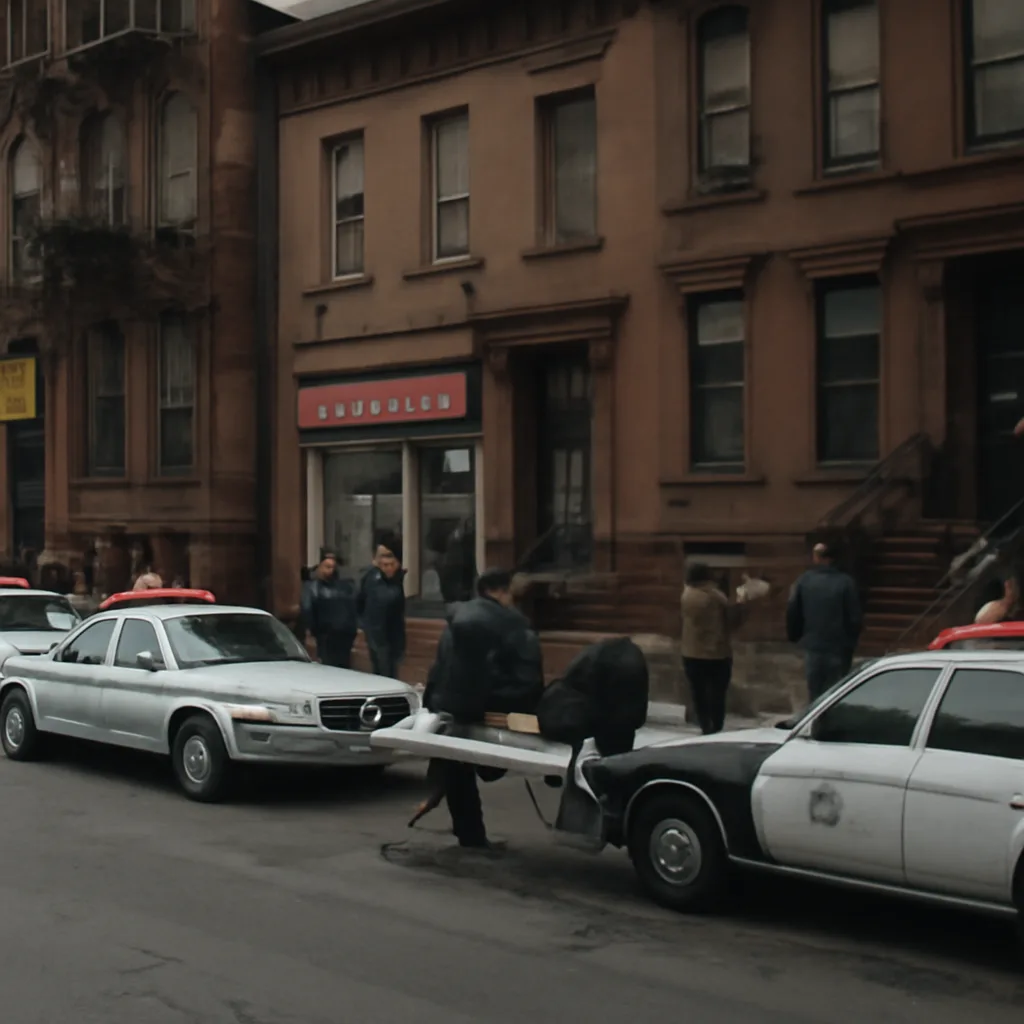
On December 16, in a high-profile enforcement action, federal and local authorities executed a coordinated roundup of alleged organized-crime figures in New York City. The operation targeted leaders and associates believed to be involved in racketeering, extortion, gambling, loan-sharking and other criminal enterprises that investigators said had persisted for decades. Authorities described the arrests as part of broader efforts in the 1980s to dismantle entrenched organized-crime networks through long-term investigations and prosecutions under federal racketeering statutes. Law-enforcement efforts against New York’s organized-crime families intensified in the 1970s and 1980s with the expanded use of the Racketeer Influenced and Corrupt Organizations Act (RICO), enhanced wiretapping techniques, and interagency cooperation. By the mid-1980s federal prosecutors and police had accumulated evidence from informants, surveillance and financial records intended to show conspiracies to commit a range of federal and state crimes. The December action followed this pattern: arrests were announced after investigative work that prosecutors said tied suspects to organized schemes rather than isolated incidents. The arrests were carried out in multiple boroughs and involved coordinated raids on residences, businesses and meeting places associated with the suspects. Public statements from law-enforcement officials emphasized the significance of removing alleged leadership figures from active roles and disrupting criminal revenue streams. Prosecutors indicated that the arrests would be followed by criminal charges seeking to hold defendants accountable for both individual acts and their roles within broader criminal organizations. Defendants arrested in large-scale sweeps typically faced complex indictments alleging patterns of racketeering activity. Successful prosecutions often relied on testimony from cooperating witnesses and the admission of recorded conversations, financial records, and other documentary evidence. Defense attorneys commonly challenged the credibility of cooperating witnesses and the legal sufficiency of electronic surveillance and financial-tracing evidence. Reactions to such crackdowns were mixed. Victims of extortion, illegal gambling and other crimes welcomed law-enforcement actions that promised relief and accountability. At the same time, commentators and some community leaders raised concerns about the potential for overreach, the treatment of suspects, and the long-term effectiveness of targeting leadership figures if underlying criminal markets persisted. The 1980s prosecutions ultimately contributed to significant convictions of organized-crime figures, though historians and criminologists note that organized criminal activity adapted rather than disappeared entirely. Historically, operations like the December 16 sweep are best understood within the larger context of a multi-decade campaign against organized crime in New York City, characterized by evolving investigative tools, high-profile trials, and shifting patterns of criminal activity. Exact charge lists, trial outcomes and individual case details vary by defendant; authoritative contemporaneous sources such as court records, newspaper reporting from the time, and Department of Justice press releases provide case-by-case specifics for researchers seeking complete legal and factual records. This account summarizes the nature and context of a major December sweep in New York City without asserting unverifiable details about individual identities, specific charges, or trial results. For precise information on particular defendants or legal outcomes, consult primary court documents and archival reporting from the period.