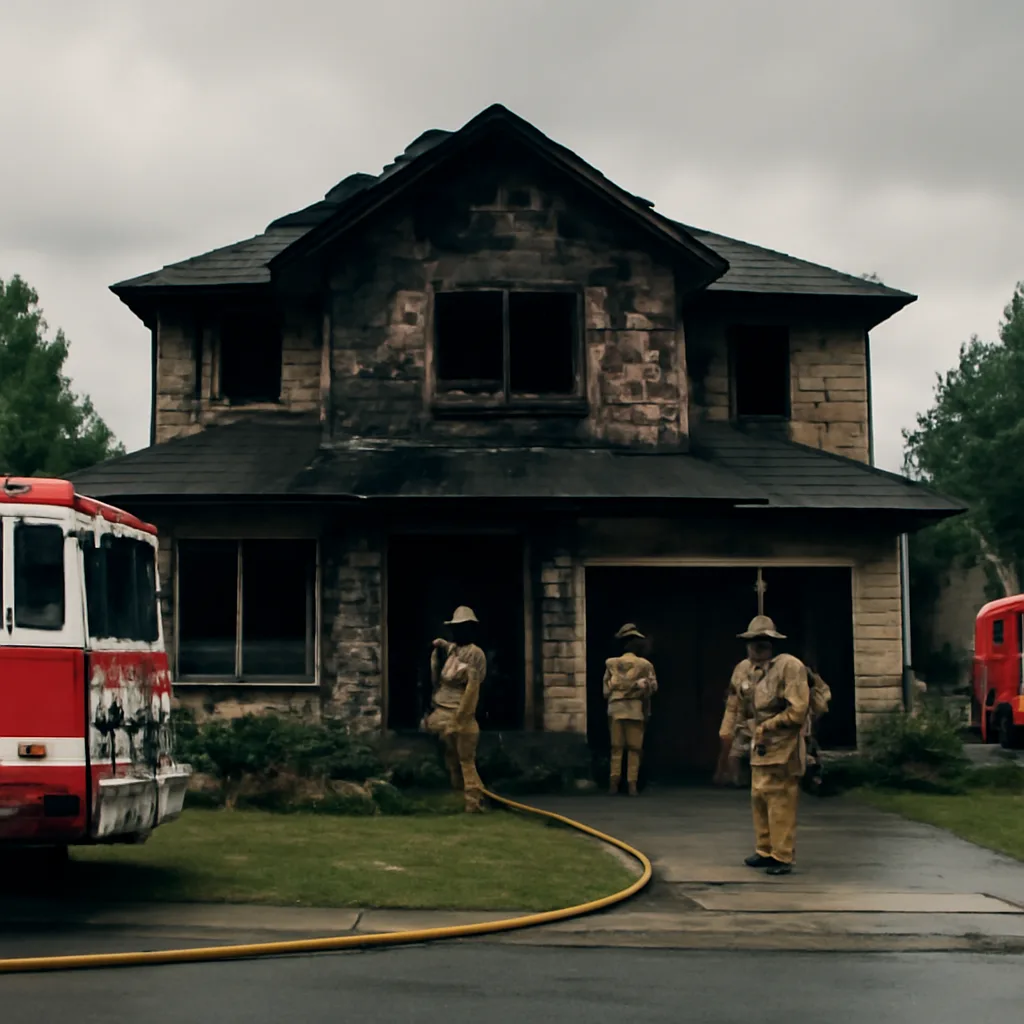
A residential fire reported on May 18 drew attention after local responders said the blaze began when a man placed his pet snake inside a microwave to warm it. Firefighters arrived to find the single-family home fully involved; the structure was extensively damaged and later declared uninhabitable. Authorities have described the act as the likely ignition source, though investigations into the precise sequence of events remain ongoing. According to official statements released by the responding fire department and police, the occupant was present when the microwave was used and the fire began. Emergency crews extinguished the blaze, and the occupant was treated for non-life-threatening injuries; there are no confirmed reports of fatalities. Animal control and veterinary personnel were contacted to assess the snake’s condition; public updates about the animal’s outcome have been limited or not released by authorities. Fire investigators typically examine appliance failures, electrical faults, and human actions when determining a fire’s origin. In this case, investigators reportedly focused on the microwave as the point of ignition and interviewed the occupant and any witnesses. Authorities have not publicly disclosed a final determination attributing the fire to mechanical malfunction, negligence, or intentional act; such findings can take days or weeks to complete and may be included in an official fire investigation report. Microwaves are designed to heat food and liquids by agitating water molecules; placing living animals, flammable materials, or inappropriate objects inside can cause severe injury to the animal and create conditions for fire. Common hazards include overheating, combustion of packaging or containment materials, and electrical arcing if metal is present. Fire departments and animal welfare organizations advise against using household devices to warm pets and recommend safer alternatives such as veterinary guidance, heated pads made for animals, or controlled ambient heating. Local officials have urged residents to follow safety guidance for both pets and home appliances. They also reminded the public that unconventional attempts to warm or treat animals can lead to unintended consequences, endangering humans, animals, and property. Neighbors and community members around the damaged property expressed shock, and organizations that handle animal welfare often use such incidents to reiterate educational resources about caring for reptiles and other nontraditional pets. Because official investigative findings and detailed records have not been publicly released at the time of reporting, some specifics remain unconfirmed, including the exact condition of the animal afterward and whether charges, citations, or further legal action will follow. News outlets covering the story have relied on statements from emergency services and local authorities; readers seeking definitive conclusions should look for the eventual fire investigation report or updates from the jurisdiction’s fire marshal or police department. This incident highlights broader safety issues: household appliances are not substitutes for veterinary or species-appropriate warming methods, and using them improperly can have destructive consequences. Fire investigators and animal welfare experts encourage pet owners to seek professional advice for temperature-sensitive animals and to prioritize established safety practices to prevent similar tragedies.