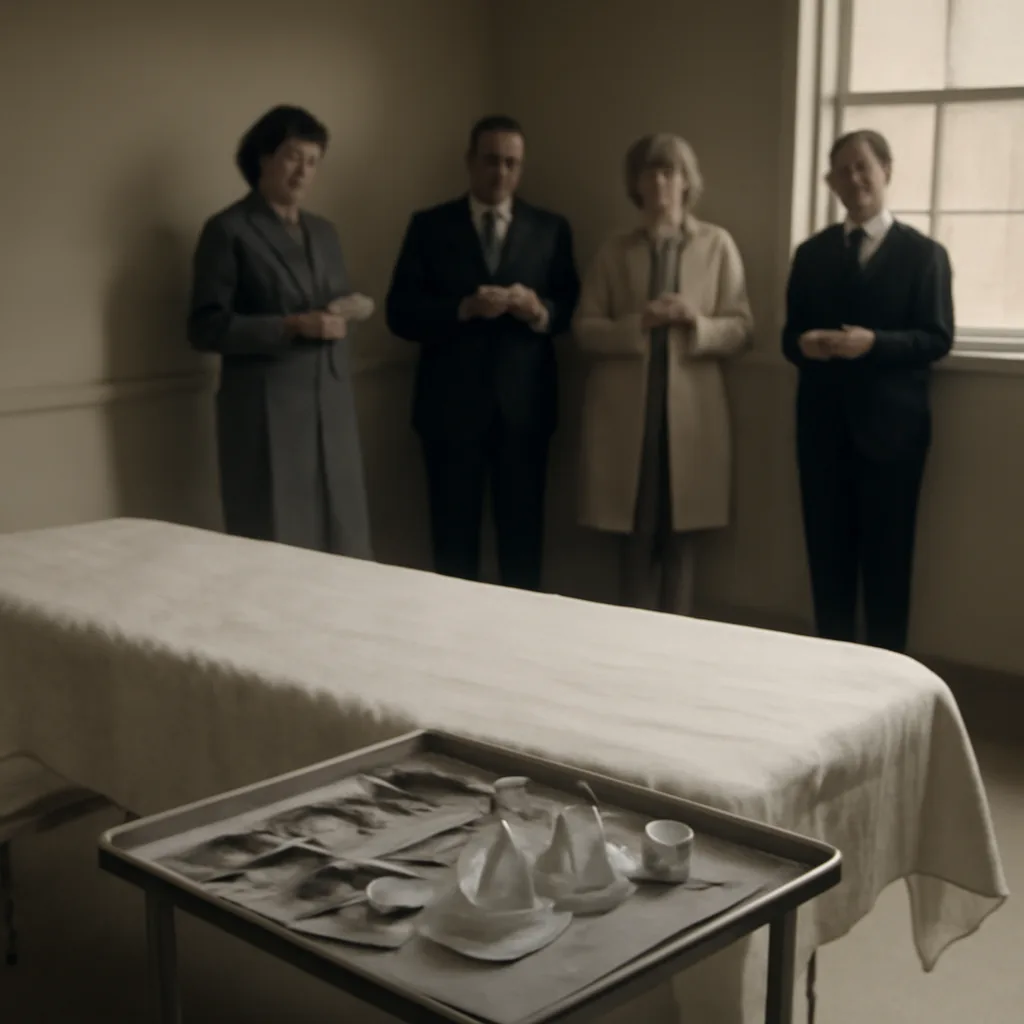
The first documented case of fraudulent 'psychic surgery' in 1962
On March 27, 1962, investigators recorded what is widely cited as the first documented instance of fraudulent 'psychic surgery'—a staged medical performance that used sleight-of-hand and animal tissue to simulate miraculous removals, prompting early formal exposures of the practice.
Psychic surgery is a performance in which a purported healer appears to remove diseased tissue from a patient’s body using only their hands, often leaving no visible wound or scar. While similar practices have folklore antecedents, the episode on March 27, 1962, is widely regarded in modern sources as the first clearly documented case in which investigators demonstrated the technique as fraudulent.
Context
Mid-20th-century interest in alternative healing and spiritualist practices created fertile ground for performers who claimed extraordinary medical abilities. By the 1950s and 1960s, clinics and itinerant healers advertising 'surgery' without scalpels had begun attracting attention from patients, journalists and skeptical investigators.
The 1962 documentation
On March 27, 1962, reporters and medical observers investigated a demonstration of psychic surgery and produced contemporaneous accounts showing that the apparent procedures relied on sleight-of-hand and prepared animal tissues rather than genuine internal operations. Investigators described how substances resembling blood and organic tissue were introduced and removed, and how the 'incisions' were theatrical rather than anatomical. These documented observations were subsequently cited by skeptical journalists, medical professionals and early researchers into paranormal claims as key evidence that psychic surgery could be replicated by ordinary conjuring techniques.
Impact and responses
The publication of the 1962 findings helped catalyze further scrutiny of psychic surgery. Medical authorities and skeptical organizations used documented exposures to warn the public about the risks of foregoing conventional treatment in favor of unverified healing rituals. Investigative reports and later controlled observations—some involving hidden cameras—repeatedly found that purported psychic surgeons used tricks such as blood capsules, animal organs, and gauze or bits of liver to simulate removals.
Scholarly and public legacy
Scholars of medicine, religion and popular culture have treated the 1962 documentation as an early turning point in the modern history of psychic surgery. It exemplifies the shift from anecdote to forensic-style observation: rather than relying solely on patient testimony, investigators applied controlled observation and comparison to expose methods behind the spectacle. Subsequent work has emphasized both the ethical consequences—patients deprived of effective care—and the cultural dynamics that allow such performances to persist, including desperation, belief, and the appeal of miraculous narratives.
Limitations and caution
While the March 27, 1962, episode is frequently cited as the first documented exposure in modern media and skeptical literature, traditions of fraudulent or theatrical 'healing' extend further into the past and across many cultures. Sources differ on whether earlier, less-publicized exposures qualify as 'documented' in the same way. Because contemporary reporting varied in detail and scientific rigor, later researchers have supplemented those accounts with additional investigations rather than relying on a single definitive record.
Conclusion
The documented investigation on March 27, 1962, remains an important milestone in the study of psychic surgery: it moved public discussion from anecdote to demonstrable technique, encouraged medical and journalistic scrutiny, and helped frame ongoing debates about regulation, patient protection, and the social forces that sustain healing performances despite repeated exposures of fraudulent methods.