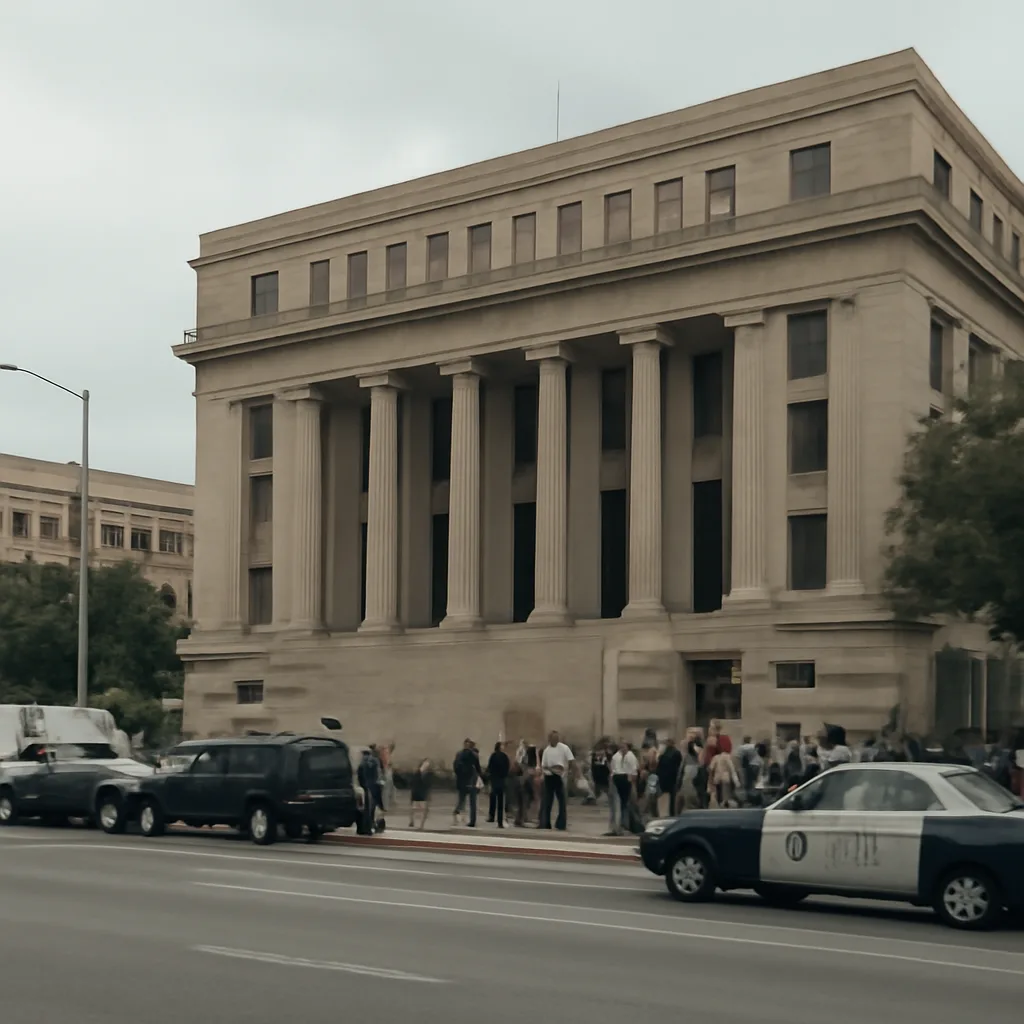
Roman Polanski, the internationally known film director, was arrested in Los Angeles on August 10 on charges connected to an alleged sexual offense involving a minor from the 1970s. The arrest occurred amid renewed attention to the circumstances of his earlier plea agreement and his subsequent flight from U.S. authorities in 1978. Polanski’s legal situation has long been contentious: in 1977 he pleaded no contest to unlawful sexual intercourse with a 13-year-old girl in Los Angeles. Before formal sentencing, he left the United States in 1978 and has since lived mainly in Europe, avoiding countries likely to extradite him to the U.S. The 1977 case and Polanski’s departure have prompted decades of legal actions, extradition requests, and public debate. Supporters have emphasized his film career and artistic achievements, while critics have underscored the seriousness of the original offense and the implications of evading sentencing. Various courts and officials have reviewed aspects of the case at different times; some legal filings and motions have challenged the conduct of prosecutors and judges in the original proceedings. Details about the August 10 arrest reflect actions by Los Angeles law enforcement to take Polanski into custody based on outstanding matters related to the 1970s case. Publicly available reporting and court records indicate that the arrest is tied to unresolved procedural and sentencing issues stemming from the original plea and its aftermath, rather than to a newly alleged incident. Information about charges, bail, court appearances, and possible next steps typically emerges through Los Angeles County court filings and statements by prosecutors; at the time of this writing, interested readers should consult official court documents and reputable news outlets for the latest verified developments. Polanski’s case raises enduring legal and ethical questions about accountability, statute-of-limitations issues, international extradition, and how the criminal justice system handles historic sexual offenses. The case has also influenced broader cultural debates about separating an artist’s work from their personal conduct, and about how societies respond to allegations of sexual harm when the alleged events occurred decades earlier. This arrest is likely to prompt renewed litigation, potential hearings on extradition or surrender, and commentary from legal analysts on how courts will treat previously negotiated plea deals and alleged procedural irregularities. Given the long and complex history of the matter, timelines and specific legal claims are subject to verification in current court records; where details are disputed or unsettled in public records, reporting and analysis may differ. For those following this story, primary sources such as Los Angeles Superior Court filings, statements from the Los Angeles County District Attorney’s Office, and contemporaneous reporting by established news organizations provide the most reliable, verifiable information. Secondary commentary from legal scholars and historians can provide context about the case’s procedural history and its place in broader debates about accountability for historical sexual offenses.