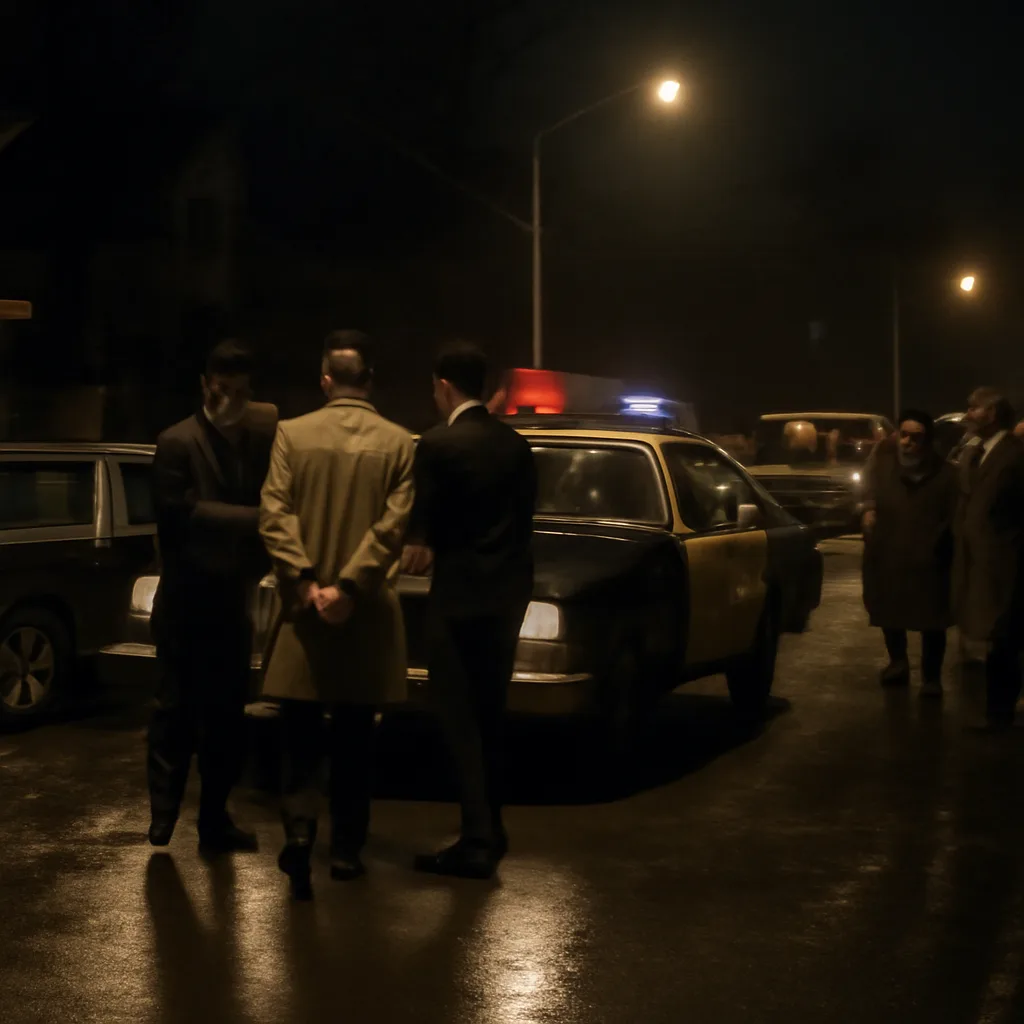
David Berkowitz Arrested in New York, Ending the 1976–77 'Son of Sam' Killings
On August 10, police arrested David Berkowitz in Yonkers, New York, ending a year-long spate of shootings in New York City attributed to the 'Son of Sam.' The arrest brought relief to a city terrorized by random attacks and initiated a criminal case that shaped law enforcement and legal debates for decades.
On the night of August 10, 1977, New York City police arrested 24-year-old David Berkowitz in Yonkers, New York, bringing to an end a series of random shootings that had terrified the city since 1976. The attacker, who used a .44-caliber revolver and left taunting notes signed "Son of Sam," had targeted young couples parked in cars and other lone civilians across Brooklyn, Queens and the Bronx. The shootings and the accompanying publicity created widespread fear, prompted massive police resources to be diverted to the case, and spurred changes in how investigators handled serial-shooter incidents.
The investigation into the so-called "Son of Sam" killings involved numerous leads, widespread media coverage and increasing public panic as the shootings continued through 1976 and into mid-1977. Law enforcement linked multiple shootings by ballistics, chronology and the distinctive notes left at some scenes. The case intensified after a July 1977 shooting that wounded two young women in Brooklyn, which increased pressure on police to find the perpetrator.
Berkowitz was taken into custody after patrolmen observed him sitting in a parked car in Yonkers and noted suspicious behavior. According to contemporaneous police accounts, when officers approached, Berkowitz initially provided a false name before being identified and questioned; a loaded .44-caliber revolver was found in the trunk of the vehicle. Following his arrest, investigators connected Berkowitz to the shootings through ballistics and other evidence. He was charged with multiple counts of murder and attempted murder.
In 1978 Berkowitz pleaded guilty to multiple homicide and attempted-homicide charges and was sentenced to six consecutive life terms in prison, a resolution that avoided a protracted trial. In subsequent years Berkowitz became a subject of psychological and criminal analysis. He later claimed involvement with others in the crimes, assertions that have been scrutinized and debated; the core legal outcome—his conviction and lengthy prison sentence—remained intact.
The arrest and conviction had broader effects beyond the immediate criminal case. The intensity of the investigation and the fear generated by the shootings influenced New York City's police procedures, media coverage of serial crimes, and public perceptions of urban safety in the late 1970s. The case also played a role in later policy discussions: for example, victims' rights advocates and lawmakers cited the attacks and their aftermath in debates over sentencing, parole, and victims' compensation. Notably, the "Son of Sam" case prompted legislation in New York concerning the handling of criminals' proceeds from publicity, commonly referred to as "Son of Sam laws," aimed at preventing offenders from profiting from book deals or other media related to their crimes.
Berkowitz has remained incarcerated since his conviction. Over the decades, he has been transferred among state correctional facilities and has been the subject of surrendering legal appeals and psychiatric evaluations. His case continues to be referenced in criminal justice studies of serial offenders, media influence on crime perception, and legislative responses to high-profile criminal cases.
While some later claims and theories have suggested additional participants or alternative narratives, mainstream historical and legal records identify David Berkowitz as the individual convicted for the series of 1976–77 shootings commonly attributed to the "Son of Sam."