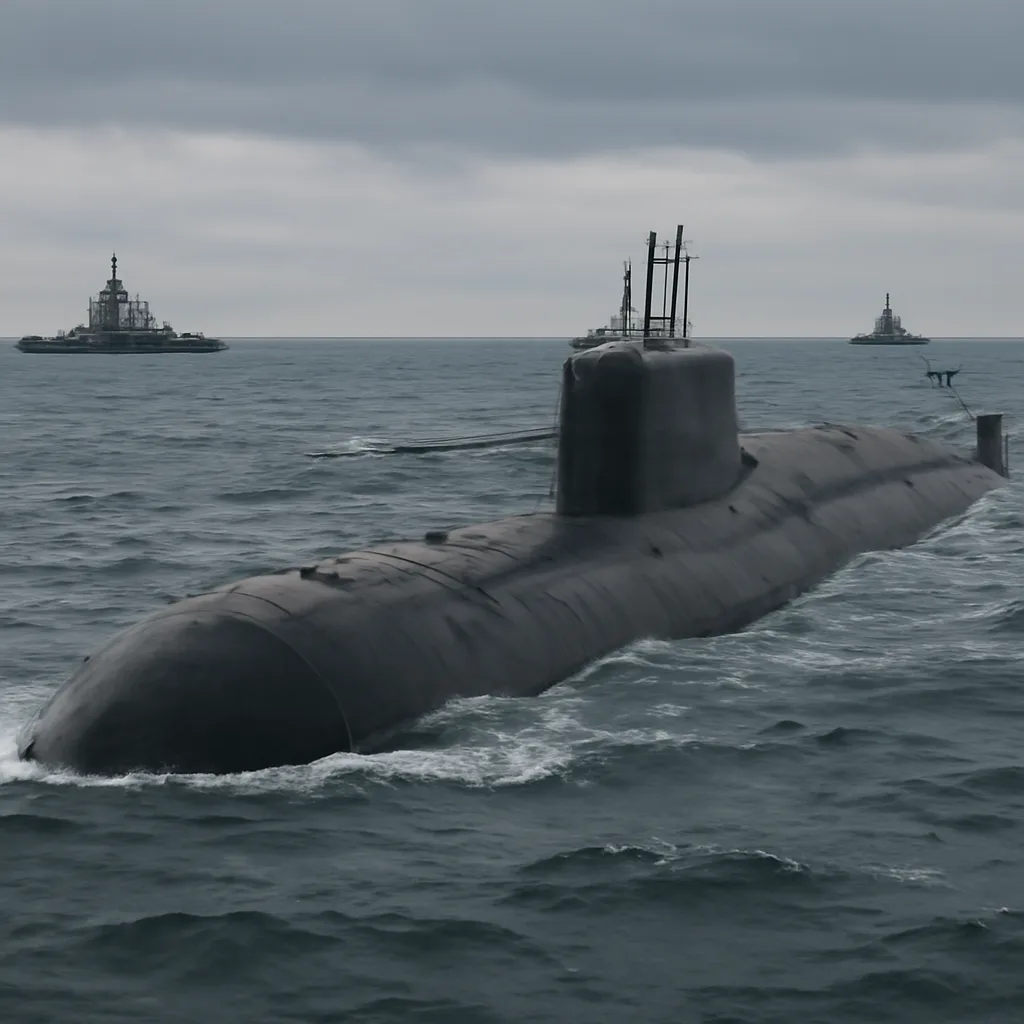
On or around July 1, reports emerged that a Russian Navy Oscar-class (Project 949/949A) nuclear-powered cruise-missile submarine sank while participating in a naval exercise. Details remain limited and some aspects are unconfirmed: Russian official statements, independent verification from third-party navies or open-source ship-tracking, and comprehensive casualty or damage assessments have not been publicly released at the time of writing. Background The Oscar-class, developed in the 1970s–1980s and fielded by the Soviet and later Russian navies, is a large nuclear-powered submarine designed to carry anti-ship cruise missiles. These boats played a Cold War role as adversary-battle-group weapons and were periodically modernized; several remain in Russian service in the 21st century. Exercises involving surface and subsurface forces are routine for navies and often include live drills, missile firings, and complex maneuvers that carry inherent risks. What is reported Multiple open-source accounts and media outlets circulated claims that an Oscar-class submarine foundered during a naval exercise dated to July 1. Some reports indicate the loss occurred during training operations rather than combat. The precise location, cause of sinking, number of crew aboard, and any resulting environmental or geopolitical effects have not been corroborated by independent sources at this time. Conflicting and missing information Official Russian ministry or navy releases are the most reliable primary sources for such incidents, but as of this summary no comprehensive official report has been published that confirms the loss and provides technical details. Open-source imagery, AIS or acoustic tracking data, and satellite observations that would help confirm a sinking have not been made widely available or verified in the public domain. Warship registers and naval analysts note that Oscar-class submarines are few in number; the identity of the specific hull allegedly lost has not been confirmed in open sources. Possible causes and risks Submarine accidents historically arise from collisions, onboard fires or explosions, flooding due to structural or system failures, human error, or problems during complex drills. For nuclear-powered submarines carrying missiles, potential risks include reactor or propulsion system damage and the release of fuel or other hazardous materials; however, there is no verified information indicating any nuclear or radiological release in this incident. Implications If confirmed, the sinking of an Oscar-class submarine would represent a notable material and symbolic loss for the Russian Navy, given the class's size, missile capability, and relatively small fleet size compared with other submarine types. It could prompt internal investigations, safety reviews, and revisions of exercise procedures. Internationally, a verified loss would likely attract attention from navies, arms-control observers, and environmental monitors. Caveats and next steps for verification This account relies on early reporting and has been prepared to avoid asserting unverified specifics. Confirming such an event typically requires at least one of the following: an official statement from the navy or defense ministry with verifiable details; corroborating images or satellite data analyzed by independent experts; observer testimony from credible sources such as allied or nearby naval units; or the release of ship-tracking and acoustic data. Readers should treat initial reports cautiously until multiple authoritative sources provide consistent information. Conclusion Reports that an Oscar-class submarine sank during a July 1 naval exercise have circulated, but as of now authoritative, independently verified details are lacking. Further official disclosures or verifiable open-source evidence will be necessary to establish the facts, including the cause, location, and consequences of the incident.