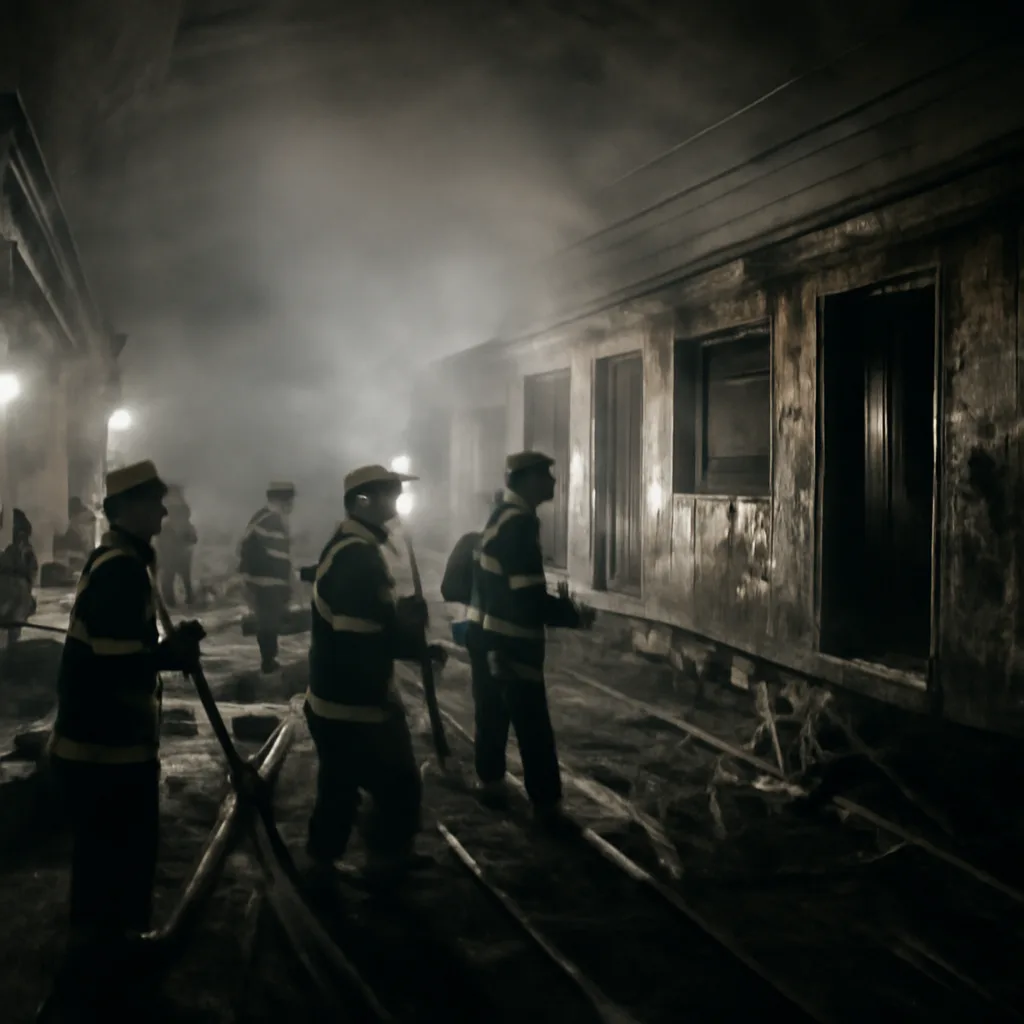
On November 20, a catastrophic fire accompanied by explosions struck a Mexico City Metro train and the surrounding tunnel, resulting in dozens of deaths and numerous injuries. The incident occurred during peak hours on one of the network’s busiest lines, triggering an immediate emergency response from firefighters, medical teams and transit officials. Passengers were evacuated where possible and survivors were treated at nearby hospitals. Initial reports described a sudden blaze aboard a train that then spread into the tunnel, with witnesses and first responders reporting one or more loud blasts. Firefighting crews worked to contain the flames and cool hot spots before a thorough search and recovery operation proceeded. Authorities closed affected sections of the line and rerouted services; several nearby stations were temporarily shut to facilitate rescue work and investigations. Mexico City’s Metro is one of the largest and most heavily used urban rail systems in the Americas. Safety and maintenance of aging infrastructure have been long-standing public concerns, and previous incidents on the network have prompted scrutiny of inspection practices, electrical systems and emergency preparedness. After this event, investigators focused on determining the fire’s point of origin, whether failures in electrical equipment, wiring, or the train itself contributed, and whether combustible materials or delayed detection and ventilation worsened the outcome. Officials announced that forensic teams and technical specialists would examine train components, track infrastructure and tunnel systems. Investigators typically review maintenance records, surveillance footage, radio communications and crew procedures; they may also reconstruct the train’s electrical and braking systems to pinpoint causes. Legal and political fallout often follows such disasters, with calls for transparency, accountability and reforms to improve safety and oversight. Hospitals in the area received multiple burn and smoke-inhalation patients; some were reported in critical condition. Local authorities set up information hotlines and reunification points for families seeking missing passengers. Humanitarian and support services, including psychological counseling, were mobilized for survivors and first responders. The incident prompted city leaders to promise a full investigation and immediate measures to prevent a recurrence, including intensified inspections and temporary operational changes. Union representatives and transit workers urged that systemic problems—such as deferred maintenance, understaffing, and supply shortages—be addressed. Public reaction included grief, anger and demands for clearer information as families awaited official casualty lists and explanations. As investigations proceed, independent safety experts and international observers may be called on to review findings. Determining the precise sequence of events and technical causes can take weeks or months; interim measures typically focus on repairing damage, restoring safe service, and supporting victims. The event is likely to influence long-term policy debates about funding, oversight and modernization of Mexico City’s transit infrastructure. Because inquiries are ongoing, some details remain provisional. Official casualty figures, the definitive technical cause, and conclusions about responsibility will depend on the outcomes of formal investigations, forensic analyses and regulatory reviews.