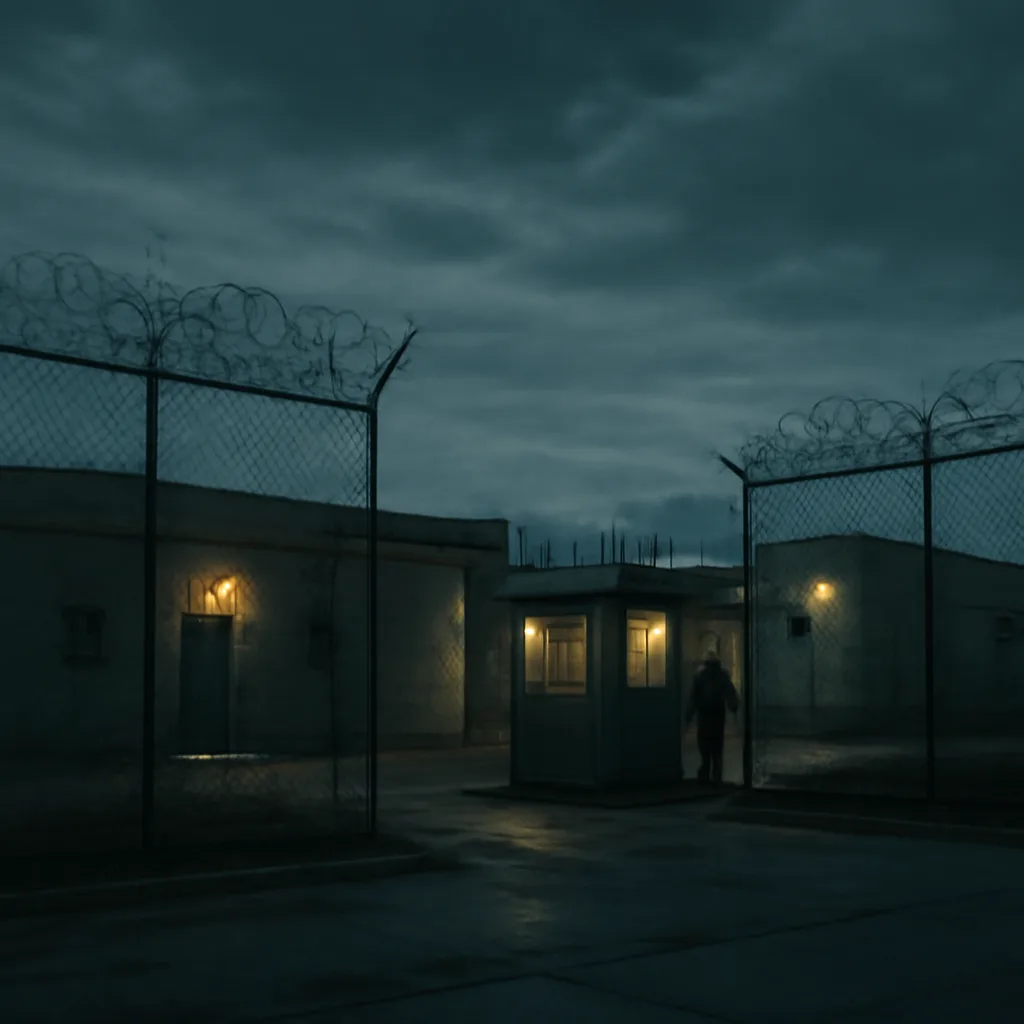
In February 2009 the CIA declassified information about its network of secret detention sites used in the post-9/11 era, revealing locations, interrogation practices and the agency's role in the program. The disclosures prompted renewed legal and political debate over detention, rendition and torture.
In February 2009 the Central Intelligence Agency made public information about its covert detention program dating to the years after the September 11, 2001 attacks. The declassification disclosed that the CIA had operated a network of secret prisons—often called "black sites"—in multiple countries, where suspected terrorists were held outside the U.S. criminal justice system. The release identified certain locations, provided summaries of detention and interrogation methods used, and outlined aspects of the agency’s internal legal assessments and oversight.
Background: After 9/11 the U.S. government pursued an expanded counterterrorism approach that included extraordinary rendition (transferring detainees to other countries), detention in locations beyond U.S. territory, and enhanced interrogation techniques. For years, operations were shrouded in secrecy. Investigative reporting, human rights organizations and congressional inquiries gradually compiled allegations about secret facilities and abusive interrogation practices. The 2009 declassification followed public pressure, litigation and official reviews that sought to clarify what had occurred.
What was disclosed: The declassified material did not produce a full accounting but confirmed key elements reported earlier. It stated that the CIA had detained high-value terrorism suspects at overseas sites and used aggressive interrogation methods on some detainees. The documents outlined the agency’s legal memos that analyzed the lawfulness of particular techniques and described internal oversight mechanisms and recordkeeping practices. The release also named or corroborated certain countries as hosts or transit points for detainees, though some specifics remained redacted.
Scope and limits: The declassification was selective. Sensitive operational details, names of all local facilities and full transcripts were often withheld or heavily redacted, citing national security and protection of intelligence sources and methods. As a result, while the disclosures confirmed the existence and rough architecture of the program, they did not answer every question about the number of detainees, the full range of locations, or the precise implementation of interrogation practices in each case.
Legal and political reaction: The disclosures renewed legal scrutiny and public debate. Human rights organizations and some members of Congress argued that the revelations substantiated allegations of unlawful detention, rendition and torture, calling for prosecutions or other accountability measures. Other officials emphasized the program’s role in counterterrorism and stressed that legal reviews had been conducted within the agency. The release contributed to ongoing inquiries into whether the techniques used complied with U.S. and international law.
Historical significance: The 2009 declassification marked an important point in public understanding of U.S. counterterrorism practices in the 2000s. It moved discussion of these programs from allegation and investigative reporting into the realm of official record, enabling further congressional oversight, legal cases and scholarly analysis. At the same time, gaps and redactions in the record have left disputed questions about accountability and full transparency.
Ongoing issues: Debates triggered by the disclosures have continued: how to balance secrecy and security with legal and ethical obligations; whether former officials should face criminal charges; how to provide remedies for detainees who say they were abused; and how to ensure that future counterterrorism measures conform to law and human rights standards. The 2009 release provided important documentation but also underscored the limits of partial declassification in resolving contested historical and legal questions.