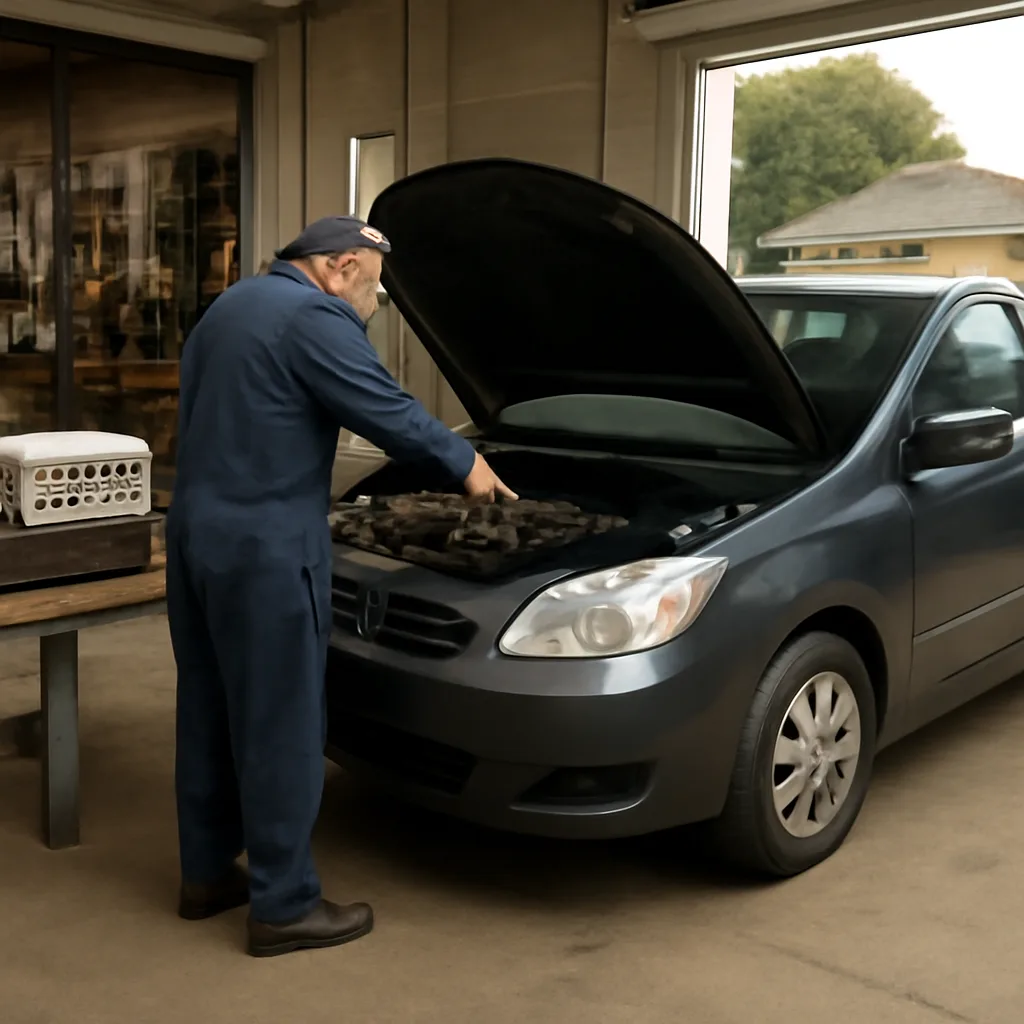
A cat was discovered alive after traveling approximately 200 miles concealed inside a car's engine compartment, according to contemporaneous local reports. The animal was found when the vehicle reached a service facility and mechanics noticed signs of an animal in the engine bay. After being gently removed, the cat received basic veterinary attention and was reported to be recovering. Incidents of animals seeking warmth in vehicle engines are well-documented and typically increase in cooler months. Cats and small mammals can crawl into wheel wells or engine compartments and become trapped when the vehicle is started. The heat and noise of an engine can cause severe injury or death, so timely discovery is critical to survival. In many reported cases, animals are injured by belts, fans, or heat; survival often depends on how long the animal remained inside and the speed and conditions of the vehicle's journey. Exact details—such as the cat's origin, how long it had been in the engine, and whether it entered before the journey began—were not publicly verified in initial accounts. The reported distance of about 200 miles suggests the animal endured a prolonged and potentially hazardous trip. Veterinarians who handle such cases typically check for burns, lacerations, broken bones, hypothermia or heat-related trauma, and internal injuries, and then provide supportive care. The episode prompted reminders from animal-welfare organizations and mechanics to take precautions: check under and around vehicles before starting, tap the hood or bang on the wheel wells to startle any hidden animals, and keep cats indoors or supervised, especially in chilly weather when animals seek warmth. If an animal is found in an engine compartment, professionals advise turning the vehicle off immediately, opening the hood slowly, and contacting animal-control services or a veterinarian if the animal appears injured or frightened. While individual stories vary, this case underscores broader public-safety and animal-welfare concerns. Municipalities and advocacy groups often circulate seasonal guidance, and some auto shops and shelters keep blankets and carriers on hand for animals found in vehicles. No authoritative investigation report with a full timeline or forensic details about this specific 200-mile case was available in initial reports, so some particulars remain unconfirmed. For owners and drivers, preventive measures are straightforward: make a habit of checking around vehicles before driving; keep cats indoors or in secure outdoor enclosures during cold periods; and inform neighbors and local shelters if a pet goes missing. For communities, sharing information about such incidents can help reduce similar occurrences and improve outcomes for animals that seek refuge in engine compartments.