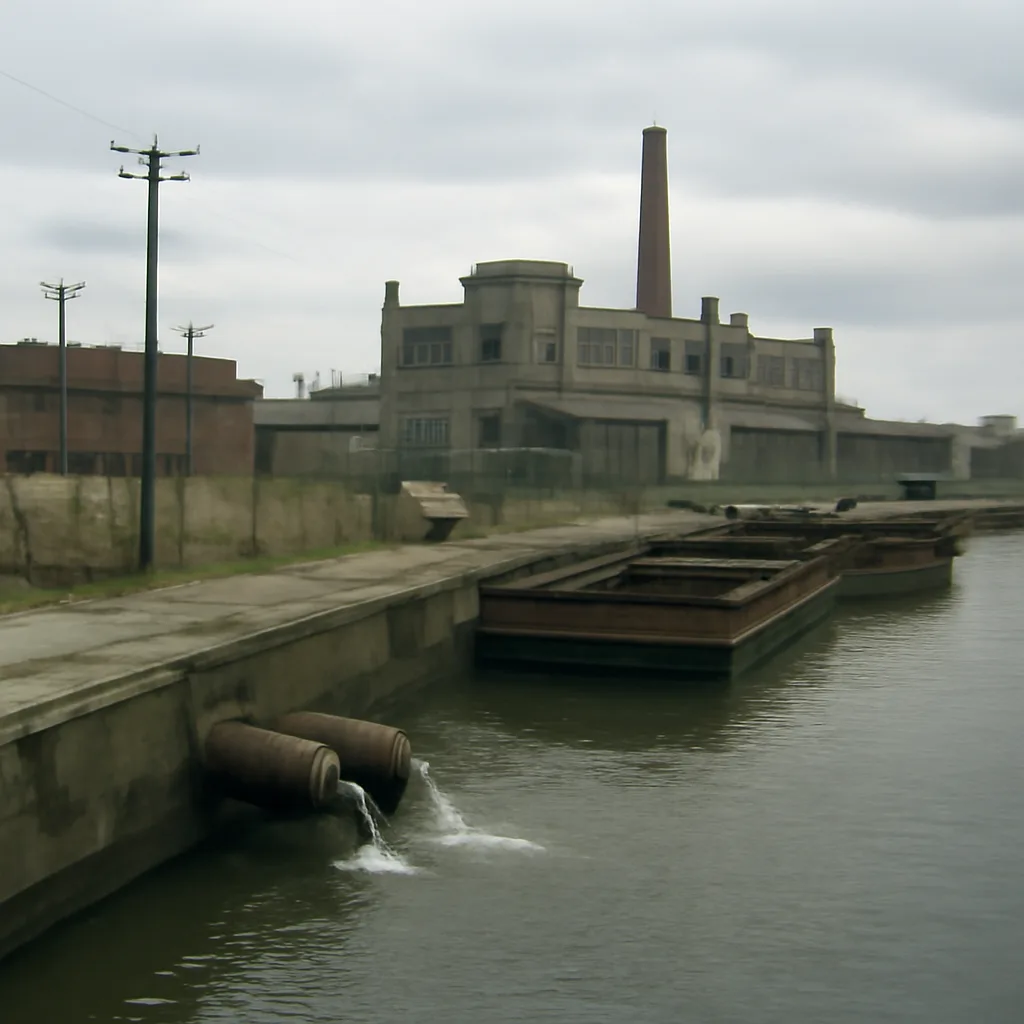
On February 10, 1986, the U.S. Department of Defense publicly acknowledged that chemical wastes from military installations had been disposed of in rivers and other waterways. The disclosure came amid growing public scrutiny of hazardous waste practices across both civilian and military sites in the 1970s and 1980s, and followed investigations by environmental regulators and journalists into contamination linked to industrial and defense-related activities. What was disclosed Officials confirmed that certain military facilities had used rivers and waterways for disposal or had released chemical byproducts into them, either directly or via inadequate containment and treatment systems. The admitted releases involved a range of industrial chemicals and solvents used in maintenance, manufacturing, and testing at defense sites. The Pentagon’s statement did not claim that all facilities or all discharges were intentional clandestine dumping; in many cases, releases reflected long-standing disposal practices and insufficient waste-management infrastructure. Context and drivers The revelation occurred in the wake of broader environmental reform and heightened awareness of toxic contamination. The Environmental Protection Agency (EPA), established in 1970, and new federal statutes such as the Clean Water Act and the Resource Conservation and Recovery Act (RCRA) had begun to reshape expectations for waste handling. Nonetheless, many defense facilities had legacy practices dating to earlier decades when regulations were weaker or less consistently enforced. Military operations generate a wide array of hazardous materials—paints, solvents, fuels, PCBs, heavy metals, and specialized chemicals used in testing and maintenance. In some instances, aging infrastructure, inadequate disposal capacity, and the costs of remediation contributed to releases into waterways, whether through permitted discharges, spills, or improper storage leading to runoff and seepage. Public response and oversight The admission intensified calls from members of Congress, environmental groups, and affected communities for greater transparency, testing, and cleanup. Lawmakers pressed for investigations into specific sites, while advocacy groups sought strengthened enforcement and independent monitoring. Local communities across affected regions demanded health studies and remediation plans where contamination was suspected. Regulatory and remediation consequences Following the admission, attention on military contamination helped accelerate site assessments and cleanup programs. The Defense Department increasingly cooperated with the EPA and state environmental agencies to inventory contaminated sites, assess risks to public health and the environment, and prioritize remediation. Some contaminated locations later became subjects of long-term cleanup under the EPA’s Superfund program or state-led remediation efforts. Limitations and disputes Records and accounts from the period indicate variation in the scale and nature of releases, and not all details were uniformly documented or publicly available at the time. Determinations about health impacts and environmental damage often required extensive testing and modeling; in many cases, results and responsibility were contested by multiple parties. The Pentagon’s admission acknowledged a pattern of problematic disposal practices at certain sites but did not provide a comprehensive, site-by-site accounting in a single statement. Legacy The 1986 acknowledgment contributed to a broader reevaluation of how hazardous wastes—including those generated by defense activities—are managed. It reinforced momentum for stronger regulatory oversight, improved waste-handling practices, and investments in cleanup of legacy contamination. Decades later, remediation of former military sites and continued monitoring remain part of ongoing environmental and public-health work in affected communities. Sources and verification This summary is based on contemporaneous reporting, government statements, and regulatory records from the period that documented admissions, investigations, and follow-up remediation efforts. Specific site details, chemical inventories, and health assessments vary by location and were often developed through later site investigations and agency reports.