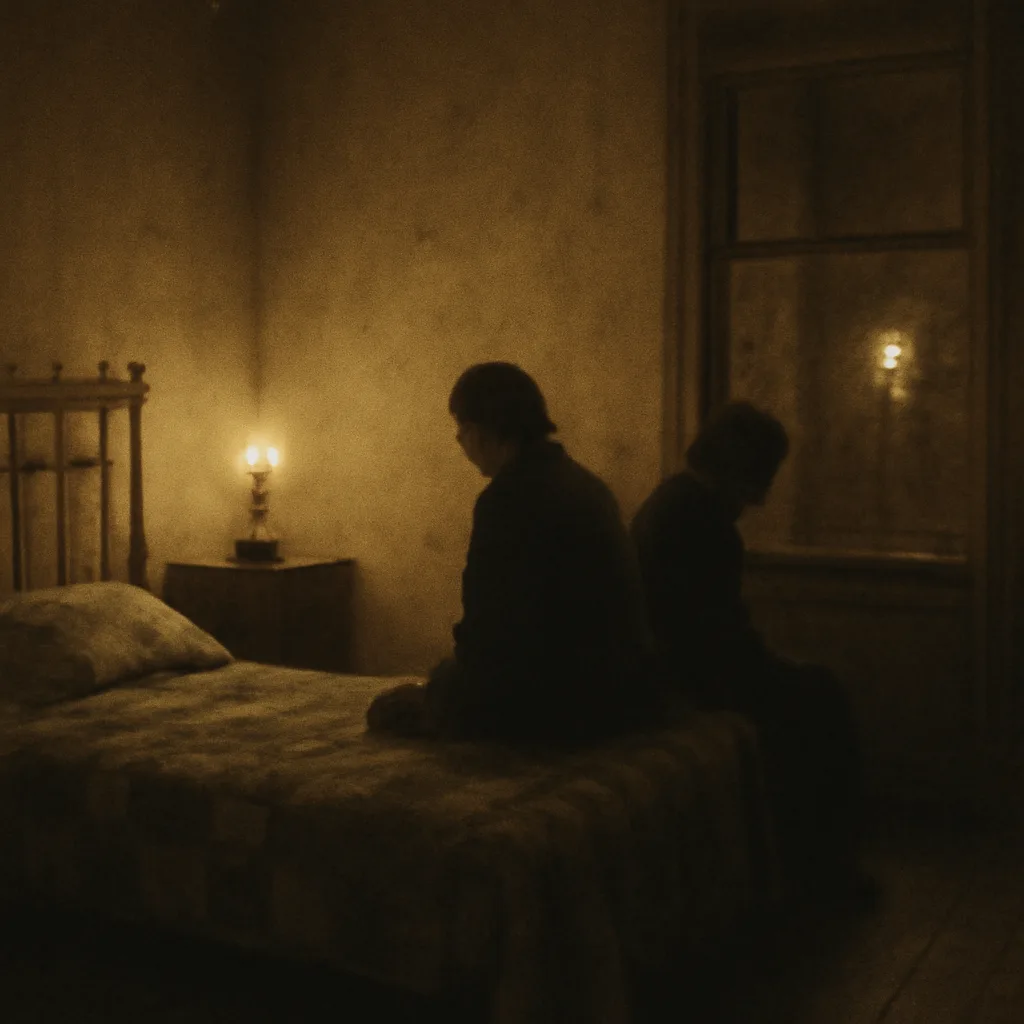
In mid-February 1903, Boston newspapers and physicians publicly reported an unusual surge of accounts in which residents described waking unable to move, sensing a presence in the room, or experiencing vivid hallucinations during sleep transitions. Contemporary reports used varied terminology — “night terror,” “nightmare,” or “sleep-hypnosis” — reflecting incomplete clinical consensus. Local physicians and medical correspondents framed these clustered complaints as an “epidemic” or a contagion of fear, in part because multiple patients from the same neighborhoods presented similar, strikingly disturbing symptoms within a short span. Medical understanding of the phenomenon at the time was limited. Sleep paralysis (the modern diagnostic term) had been described in European medical literature in the 19th century, often discussed alongside hypnagogic hallucinations and what physicians called “night-mare” phenomena. U.S. clinicians in 1903, lacking the later framework of REM-sleep atonia and parasomnias, debated causes that ranged from nervous exhaustion and hysteria to infectious or atmospheric influences. Press coverage amplified the sense of urgency: newspapers relayed anecdotal accounts from families and quoted local doctors who emphasized unusual frequency rather than a new discrete disease. Several factors shaped why the events were described as an “epidemic.” First, the clustering of similar reports in a single city over days or weeks suggested an outbreak-like pattern to observers accustomed to infectious disease models. Second, social contagion and heightened public attention can increase reporting: when neighbors read or heard of alarming symptoms, previously private experiences were more likely to be disclosed to physicians or the press. Third, medical practice in 1903 often lacked standardized diagnostic categories for sleep disturbances, so diverse experiences were sometimes collapsed into a single label. Modern retrospective readings identify this Boston episode as an early documented cluster of sleep paralysis and related parasomnias rather than an infectious outbreak. Sleep paralysis is now understood as a brief inability to move or speak while falling asleep or upon waking, occasionally accompanied by vivid auditory, visual, or tactile hallucinations and a strong sense of threat. Its triggers include sleep deprivation, irregular sleep schedules, stress, and certain medications or medical conditions. Contemporary neurology locates the phenomenon in dissociation between brainstem mechanisms that produce REM-sleep muscle atonia and cortical wakefulness — a physiological, not contagious, process. The 1903 reports are historically valuable for several reasons. They show how medical interpretation and public discourse can shape the perception of a noninfectious condition as an “epidemic.” They also illuminate early-20th-century clinical language and diagnostic limits: physicians relied on descriptive symptom clusters without the benefit of later sleep-research frameworks. Finally, these accounts document the social impact of nocturnal panic on families and neighborhoods in an era when sleep science was still nascent. Caveats apply: source material from 1903 uses inconsistent terminology, and surviving press accounts vary in detail and reliability. While later scholarship treats the Boston cluster as consistent with sleep paralysis phenomena, definitive clinical verification is impossible for individual historical cases. Still, the episode stands as one of the earliest recorded instances in U.S. print media where sleep paralysis-like experiences were reported en masse and discussed publicly as a localized health concern.