
1903 Reported Outbreak of 'Sleep Paralysis' in a New England Town
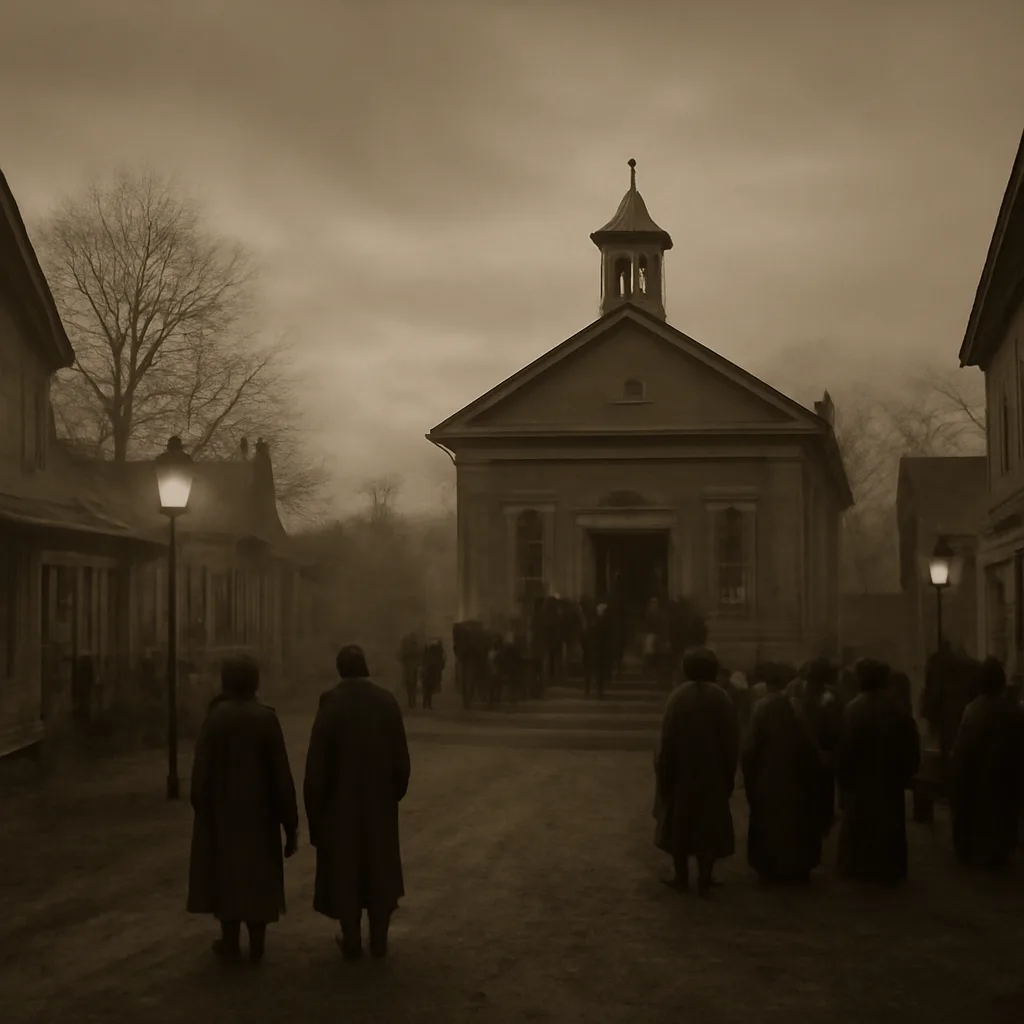
On February 17, 1903, local newspapers and medical notices recorded a cluster of sleep paralysis reports in a New England community, treated at the time as both a medical curiosity and a moral concern; contemporary historians view it as an early documented epidemic-like description of nocturnal paralyzing episodes.
On February 17, 1903, newspapers and medical bulletins in a New England town documented an unusual cluster of complaints described as “sleep paralysis,” “night terrors,” or “the old hag” by local residents. The accounts—published in regional press and summarized in municipal health notes—focused on multiple neighbors who reported waking unable to move, sensing pressure on the chest, and experiencing vivid hallucinations upon waking or falling asleep. At the time, local physicians and clergy debated whether the phenomenon was primarily physiological, psychological, or a sign of moral or spiritual trouble.
Context and terminology
Around the turn of the 20th century, medical understanding of sleep and its disturbances was limited. Terms such as “nightmare,” “sleep paralysis,” and folkloric labels overlapped in public discussion. Clinicians recognized brief episodes of temporary immobility but lacked modern concepts of REM sleep and its physiology, which were established later. Consequently, contemporary reports mixed medical description with cultural and religious interpretation.
The 1903 cluster
The February 17 accounts do not constitute an epidemiological study by modern standards; they are newspaper and municipal records noting several similar cases occurring within a short period and geographic area. Reporters quoted neighbors, referenced complaints brought to local doctors, and sometimes described communal anxiety sparked by stories of people immobilized in bed at night. Some reports attributed symptoms to fatigue, poor ventilation, or imbalanced humors—common explanatory frameworks of the era—while others invoked moral or spiritual causes.
Medical response and public reaction
Local physicians issued practical advice typical for the period: improving ventilation, moderating diet, avoiding excessive late-night stimulation, and seeking pastoral counsel. There was no coordinated public-health intervention, nor were there systematic clinical examinations consistent with later sleep medicine standards. Newspapers published both sober medical notices and sensationalized human-interest accounts, reflecting a blend of curiosity and apprehension in the public. The mixture of medical, folkloric, and moral explanations is typical of early reports of sleep-related phenomena.
Historical interpretation
Modern historians and sleep researchers treat the 1903 records as an early documented instance of multiple reported sleep paralysis episodes clustered in a community, rather than proof of a contagious disease. Contemporary reading emphasizes that the reports illuminate how communities interpreted and responded to unexplained nocturnal phenomena before the physiological mechanisms of REM sleep were known. The documents are valuable for understanding cultural responses to sleep disturbances and the social dynamics that can make a localized cluster notable in press coverage.
Limitations and sources
This summary is based on surviving newspaper accounts and municipal medical notices from the period; the records lack systematic clinical data, diagnostic criteria, or follow-up consistent with modern epidemiology. Details such as exact case counts, precise medical evaluations, and long-term outcomes are generally absent or inconsistent across reports. Where interpretations vary—medical versus supernatural explanations—those differences are indicated in the contemporary sources.
Significance
The 1903 reports are important for historians of medicine and culture because they document how a community recorded and debated a cluster of nocturnal paralysis experiences prior to modern sleep science. These accounts show the intersection of medical knowledge, folklore, and social concern and help trace the evolving understanding of sleep disorders into the 20th century.