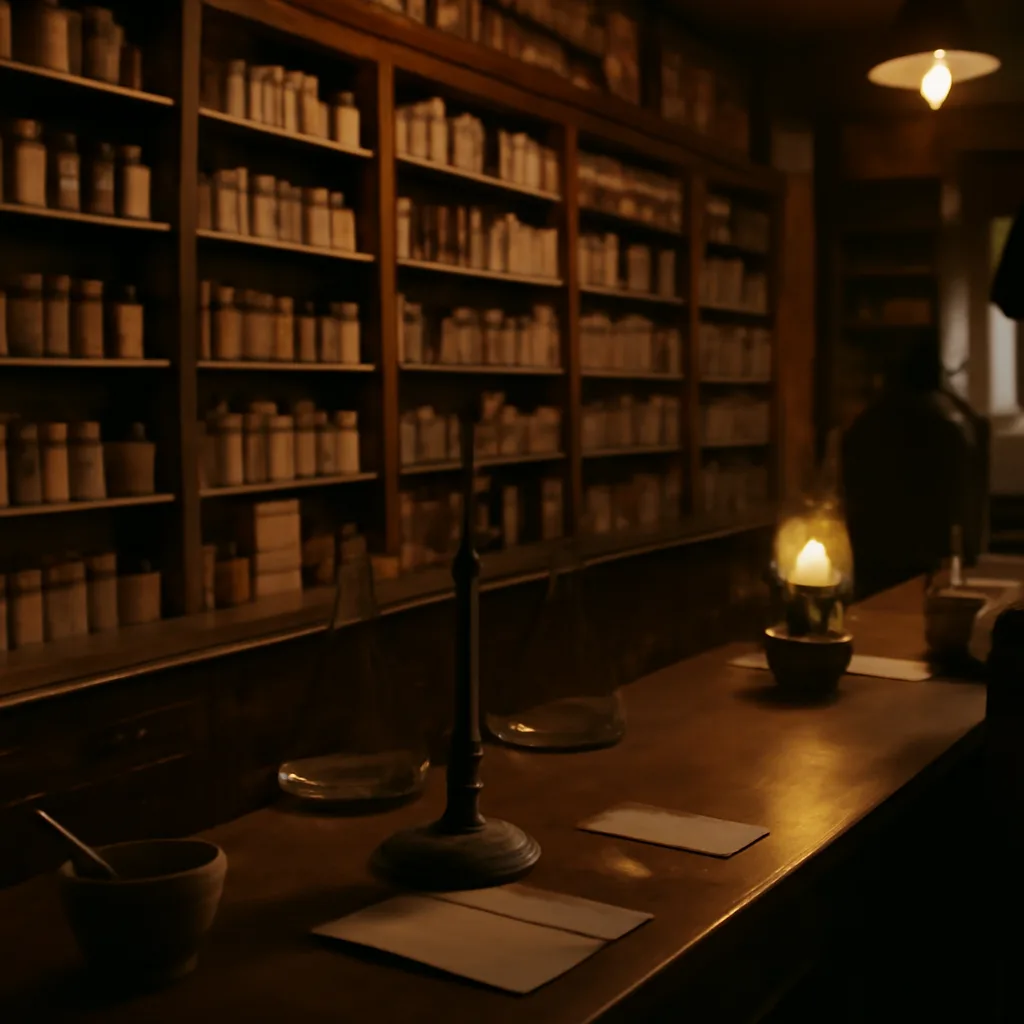
The First Documented Fatalities from Counterfeit Medicines, March 20, 1947
On March 20, 1947, a cluster of deaths in the United States was linked to contaminated sulfanilamide preparations, marking one of the earliest well-documented incidents in which adulterated or incorrectly formulated medicines caused multiple fatalities and spurred regulatory action.
On March 20, 1947, the United States recorded a significant and tragic episode in the history of pharmaceuticals when multiple deaths were linked to contaminated or improperly formulated sulfanilamide preparations. While counterfeit medicines have a long history, this incident stands out in the mid-20th century as a documented cluster of fatalities that drew public attention and regulatory response.
Background
Sulfanilamide (a sulfonamide antibiotic) emerged in the 1930s as a widely used antimicrobial agent. By the 1940s, sulfanilamide products—tablets, powders, and liquid preparations—were common in both prescription and over-the-counter forms. The manufacturing and compounding environment of the era had variable standards, and oversight was more limited than today.
The 1947 incident
In March 1947 authorities identified a series of deaths associated with oral sulfanilamide formulations. Investigations found that some preparations contained toxic contaminants or were improperly formulated, leading to poisoning rather than therapeutic effect. The losses highlighted the dangers of substandard or adulterated medicinal products entering the market, whether through negligent manufacturing, contamination, or deliberate misrepresentation.
Public health and regulatory impact
The fatalities underscored gaps in drug manufacturing quality control and the need for stronger regulatory frameworks. Incidents like the 1947 deaths contributed to evolving expectations for drug safety, manufacturing standards, and labeling. In the broader historical arc, such events reinforced momentum for regulatory oversight, inspection, and clearer standards to prevent contaminated or falsified medicines from reaching patients.
Context and limitations
Historical records from this period may use terms such as "adulterated," "contaminated," or "misbranded" that reflect contemporaneous legal and medical language. While this March 20, 1947 cluster is often cited in discussions of early mid-20th-century drug-safety incidents, it is not the first instance ever of counterfeit or adulterated medicines causing harm—adulteration has caused illnesses and deaths for centuries. The specifics—such as exact numbers of fatalities, precise contaminants identified, and all implicated manufacturers—are documented unevenly in surviving records. Where contemporary sources conflict or lack detail, scholars note uncertainty.
Why it matters
The 1947 deaths serve as an early, well-documented reminder that poor manufacturing, contamination, or deliberate falsification of medicines can produce lethal outcomes. They helped shape public expectations and regulatory approaches to drug safety that would continue to develop through the mid-20th century and beyond.
Further reading
Researchers and readers seeking primary-source documentation should consult contemporaneous public-health reports, state health-department records, and newspaper archives from March–April 1947 for detailed accounts. For broader context on how such incidents influenced policy, histories of drug regulation in the United States—covering the 1938 Food, Drug, and Cosmetic Act and subsequent enforcement developments—are relevant.