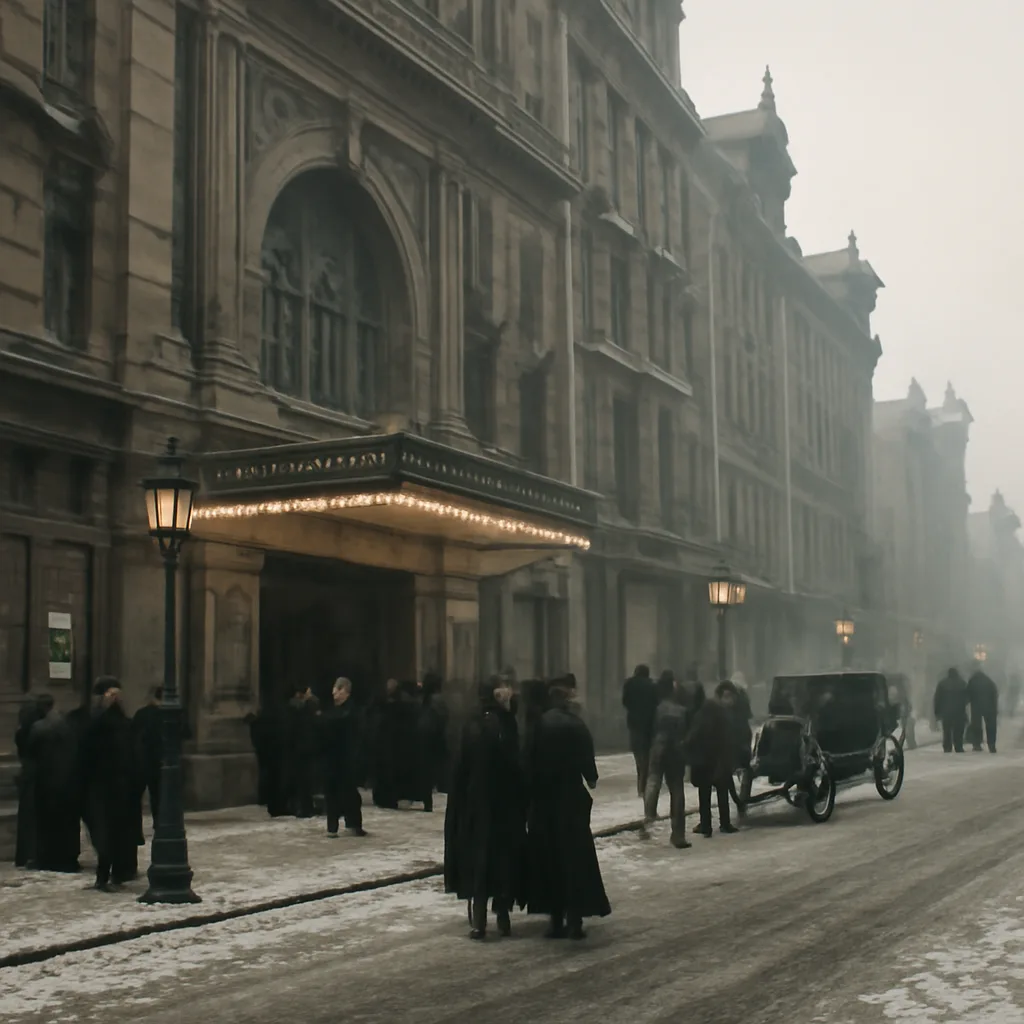
On December 30, 1903, the Iroquois Theatre in Chicago became the site of one of the deadliest single-building fires in U.S. history. The theater had opened only weeks earlier and was nominally labeled "absolutely fireproof," but design flaws, inadequate exits, and lapses in fire precautions turned a modest stage blaze into a catastrophic loss of life during an afternoon performance. The Iroquois Theatre sat on the north side of Chicago and was hosting a matinee that drew a large crowd, including many women and children. Estimates of attendance vary, but the house was effectively full. Shortly after the performance began, a stage light—an arc lamp or an electrical spotlight—ignited scenery or a curtain. The fire spread rapidly to painted canvas and wood scenery treated with flammable varnish and paint. Smoke and flames moved into the auditorium, and conditions deteriorated swiftly. Several factors compounded the danger. Many exits were concealed, locked, or improperly marked to prevent theatergoers from entering without paying; some doors opened inward, making them difficult to use when a crowd pressed against them; a number of exit routes were blocked by decorations or clutter. The theater’s upper tiers had few accessible stairways, and a main exit was reportedly blocked by a screen. The proscenium and fly galleries contained highly combustible materials and lacked adequate fire curtains or suppression systems by modern standards. Additionally, the theater’s fire alarm and communication systems were insufficient, and firefighters arriving on scene faced heavy smoke and chaotic crowds. Panic and confusion ensued as spectators attempted to flee. In many areas the crush at exits created deadly bottlenecks. People in upper balconies often could not escape quickly; some leapt to fire escapes or were rescued by firefighters, but many perished from smoke inhalation, trampling, or being burned. Official and contemporary reports list the death toll as at least 600, though some counts vary. The exact number remains somewhat uncertain because of record-keeping practices of the era and the chaos of the scene. The aftermath prompted intense public outrage and formal investigations. Coroner’s inquests, city inspections, and press coverage revealed numerous violations of building codes and theater safety practices. Theater managers and several municipal officials were accused of negligence; some faced trials and civil suits. The disaster exposed how common cost-cutting, lack of enforcement, and theatrical practices (such as using flammable scenery and dimly lit exit paths) could have lethal consequences. Significant reforms followed. City and state governments moved to strengthen building codes, require outward-opening exits, mandate illuminated and clearly marked egress routes, compel the installation of fire curtains and sprinkler systems in public assembly spaces, and increase oversight of occupancy limits. The Iroquois tragedy also influenced national standards and contributed to the professionalization of fire inspection and emergency response in urban centers. The Iroquois Theatre Fire left a lasting imprint on Chicago’s civic memory and on theater safety in the United States. It stands as a stark example of how architectural design, regulatory failure, and unsafe operational practices can combine to produce mass-casualty events—and how such disasters can precipitate meaningful regulatory change. Because contemporary sources sometimes disagreed on specific numbers and details, historians rely on multiple archival records, newspaper accounts, and official reports to piece together the event’s chronology and impact.