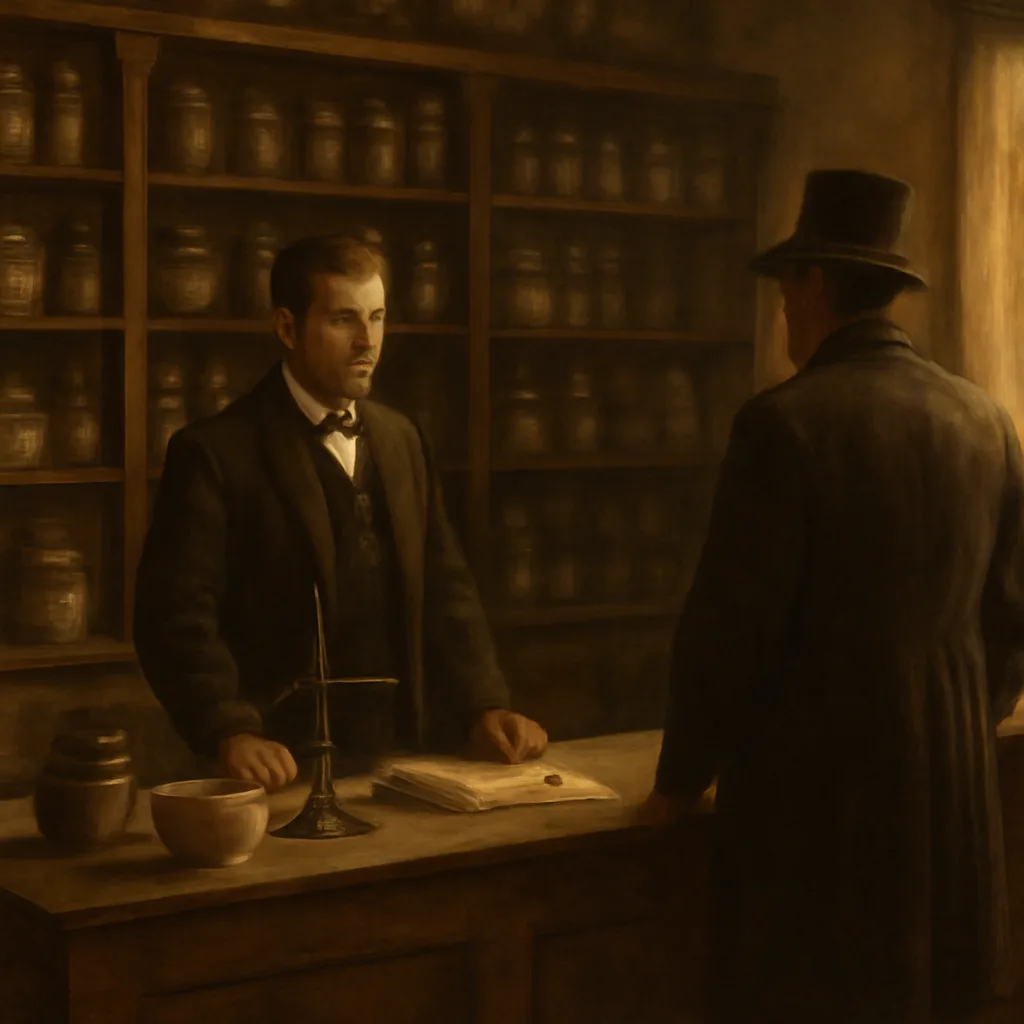
On March 11, 1869, physicians and local authorities recorded a serious case of poisoning attributed to cosmetic use, one of the earliest documented incidents linking beauty products directly to acute harm. The case occurred in a period when a rapidly growing market for commercial cosmetics outpaced regulation and scientific understanding of toxic substances. Many 19th-century cosmetics contained hazardous ingredients—lead, mercury, arsenic, and other heavy metals or toxic compounds—used to whiten skin, preserve products, or create desired colors. Contemporary medical reports and newspaper accounts from the mid- to late-19th century increasingly described patients with chronic and acute symptoms—abdominal pain, neurological decline, skin lesions, and systemic illness—later attributed to prolonged exposure to these substances. The March 1869 case is notable because it was explicitly connected by clinicians or coroner records to a cosmetic product rather than occupational or medicinal exposure, helping to shift public and professional attention toward consumer goods as a source of poisoning. At that time, cosmetics were often sold without ingredient lists or safety testing. White powders and creams—some containing lead carbonate (so-called “white lead”) or mercury salts—were prized for producing a pale complexion associated with social status. Hair dyes and eyebrow darkeners sometimes used arsenic compounds or aniline derivatives with little understanding of their toxicology. Preservation methods for creams and lotions also introduced contaminants or allowed microbial hazards. The 1869 incident contributed to a gradual accumulation of evidence prompting medical practitioners, pharmacists, and some reform-minded journalists to call for clearer information and oversight. However, widespread regulatory responses would lag decades behind individual reports. In the United States and Europe, meaningful product-safety legislation did not take hold until the late 19th and early 20th centuries, culminating in more comprehensive laws and inspections in the 1900s and 1930s. Scholars of medical and social history view cases like the one recorded on March 11, 1869, as early indicators of the hazards created by industrialized consumer culture—where mass-produced goods reached large populations before safety standards were established. These incidents also intersect with social norms: the pressure to conform to beauty ideals frequently pushed individuals to use products that promised rapid results without awareness of long-term harm. Historians caution that while this March 11 entry is among the earliest specifically documented cosmetic-poisoning cases, such harms were likely underreported or misattributed. Medical diagnosis in the 19th century could be imprecise, and chronic poisoning symptoms were sometimes recorded under other categories. Moreover, local reporting practices and the survival of records mean that similar cases may have occurred earlier but lack surviving documentation. The legacy of the 1869 case is less a single dramatic turning point than a piece in a broader historical arc: it exemplifies early encounters between public health, commercial innovation, and consumer protection. Over subsequent decades, accumulated medical evidence and public pressure gradually led to stricter manufacturing standards, ingredient disclosure, and the professionalization of pharmacy and toxicology—changes that reduced, though did not eliminate, the risks posed by cosmetic products.