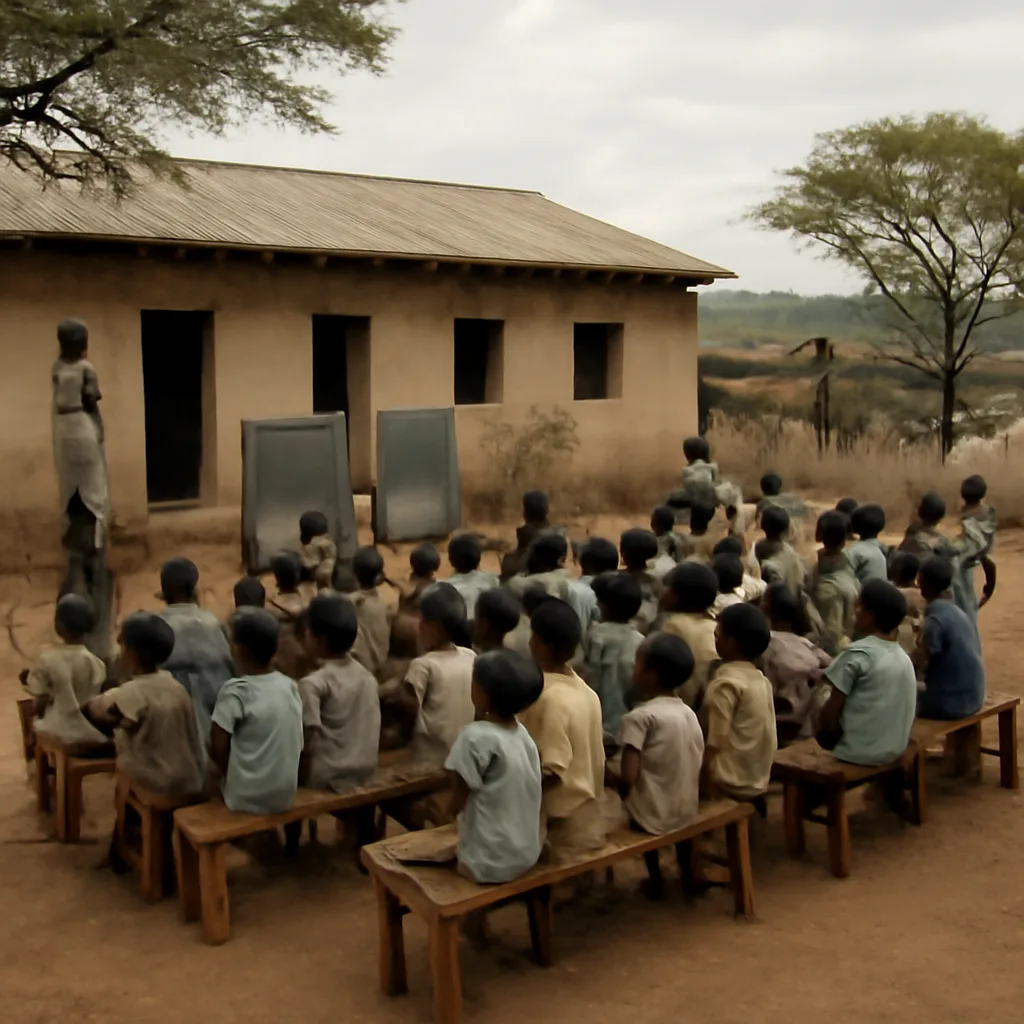
From 1962 into 1966, multiple outbreaks of prolonged, uncontrollable laughter and related symptoms occurred among schoolchildren and communities in regions of northern Tanganyika (modern-day Tanzania). The episodes began in the village of Kashasha and nearby areas and were characterized by fits of laughter that could last minutes to hours, sometimes accompanied by crying, pain, fainting, respiratory symptoms and inability to speak. Affected individuals were predominantly adolescents and schoolchildren; the incidents spread from person to person within schools and families, prompting school closures and community concern. Contemporary medical observers and later researchers treated the events as an instance of mass psychogenic illness (MPI), sometimes called mass hysteria, which epidemiologists define as the rapid spread of illness signs and symptoms without an identifiable organic cause and usually in contexts of high social stress. Investigations at the time found no consistent infectious agent or toxic exposure to explain the symptoms. Patterns reported—disproportionate impact on young people, rapid person-to-person transmission in close social networks, variable duration, and resolution without specific biomedical treatment—are consistent with MPI as documented in other settings. Scholars situate the laughing episodes in the wider social and historical context of early postcolonial Tanganyika. The country gained independence in 1961, and communities were navigating rapid political, educational and cultural change. Many analysts link the outbreaks to stresses related to changing gender roles, schooling pressures, family disruption, and economic uncertainty. Schools where the laughter began were sites of intensified expectations and surveillance, factors that can amplify psychological distress among adolescents. Descriptions compiled from contemporaneous reports and later academic studies emphasize a mix of neurological-appearing and emotionally expressive symptoms: involuntary laughter, crying, hyperventilation, fainting, and somatic pain without detectable physiological pathology. Local responses ranged from concern and attempts at medical care to cultural or spiritual interpretations. Some families and community leaders sought traditional remedies or rituals alongside biomedical attention. While MPI is the prevailing interpretation among researchers, not every detail is undisputed. Sources vary on precise counts of those affected, the exact geographic spread, and the timeline, partly because reporting from rural areas in the 1960s was uneven and because different investigators used differing case definitions. Researchers caution against reducing the events to a single explanation: psychological, social, cultural and material conditions all likely interacted to produce and shape the outbreaks. The Tanganyika laughing epidemic has remained important in studies of mass psychogenic illness because it illustrates how social change, institutional pressures and adolescent vulnerability can produce widespread, non-organic symptom clusters. It is frequently cited in public health and medical literature as an early, well-documented example from sub-Saharan Africa that expanded understanding of how MPI manifests across cultures and historical moments. Contemporary discussions emphasize respectful attention to affected communities and to the social determinants of health that can precipitate such episodes.