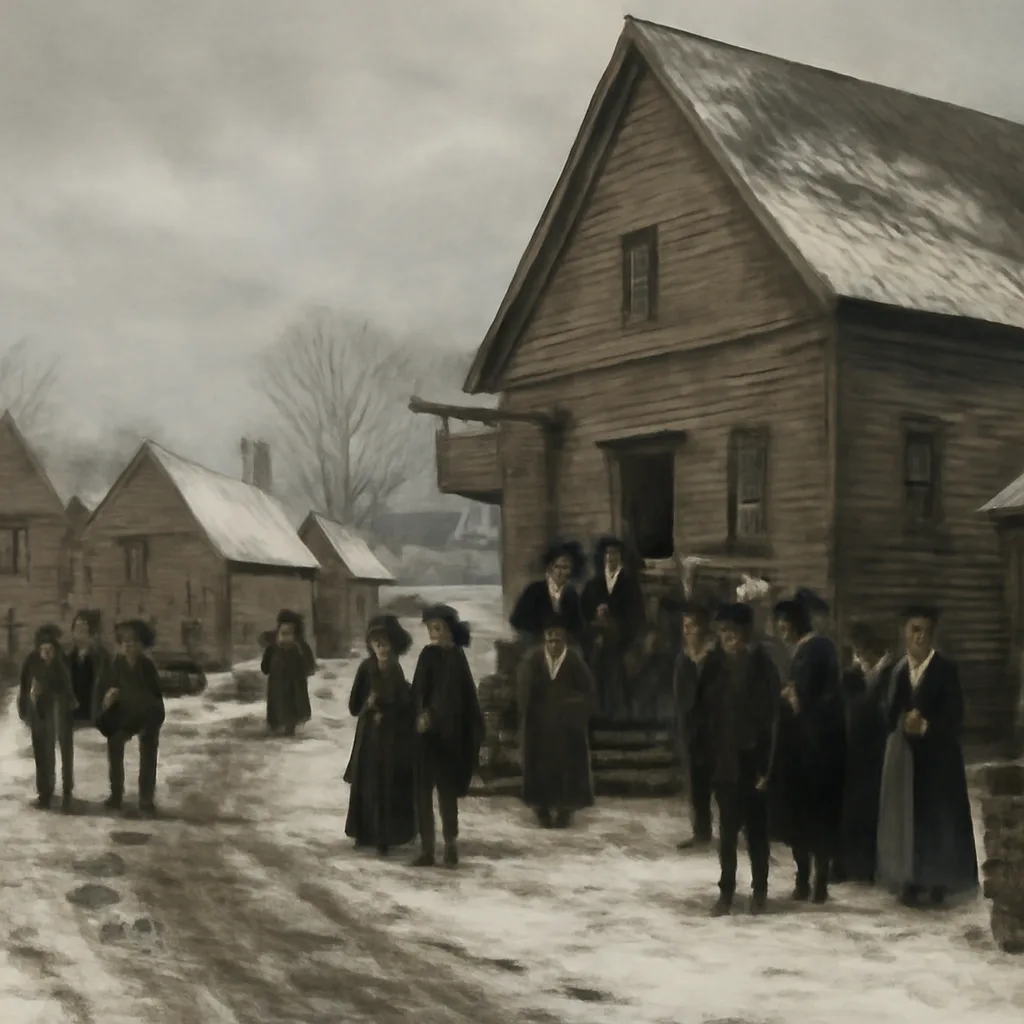
In February 1692 the community of Salem Village (now Danvers, Massachusetts) experienced a series of examinations and complaints that marked the opening of what later became known as the Salem witch trials. Local ministers, magistrates and neighbors responded to reports of strange fits and accusations of harmful witchcraft. Those initial proceedings—informal examinations, complaints brought before magistrates, and the lodging of formal accusations—created the administrative and social framework for the prosecutions that followed that spring and summer. Context: Salem Village in 1692 was a small, rural Congregational community within the Massachusetts Bay Colony. Tensions over property, church membership, family rivalries and recent frontier warfare contributed to an atmosphere of anxiety. Within that setting, several young women and girls began exhibiting convulsions, visions and other behaviors that community members described as “afflictions.” Ministers and physicians were consulted, but the community also turned to legal and ecclesiastical remedies. Early examinations: In late February, local magistrates conducted preliminary examinations of the afflicted and of the persons they named. These hearings were not yet part of the formal Court of Oyer and Terminer that would be established in May, but they were official steps: complaints were presented to justices of the peace and examinations were recorded in local town and county records. The proceedings typically involved questioning the accused and the accusers, noting symptoms and compiling witness statements to determine whether a case should proceed to higher authorities. Formal charges and cautions: The initial actions produced written complaints and warrants in some cases. Individuals named as witches were warned or taken into custody, and records show that warrants and depositions began to accumulate in county filings. These steps transformed personal suspicion into legal process: neighbors’ allegations moved from private dispute into the colonial justice system. Role of ministers and medical opinion: Local clergy—most prominently the Reverend Samuel Parris of Salem Village—played a visible role in convening examinations, documenting afflictions and interpreting events through a religious lens that considered diabolical agency plausible. Physicians were consulted for natural explanations; some symptoms were judged to have no known medical cause by the standards of the time, which lent credence to supernatural interpretations among contemporaries. Consequences and escalation: The late-February actions did not themselves encompass the high-profile trials, executions and imprisonment that characterized later months, but they laid the groundwork. By creating formal records, naming alleged witches and involving magistrates, the initial proceedings enabled the expansion of accusations that culminated in indictments, trials before the special court of Oyer and Terminer, and multiple executions from June through September 1692. Historical caution: Contemporary and later historians have emphasized that multiple factors—social, religious, legal and psychological—contributed to the outbreak. Sources for the early proceedings include town records, county court papers and later compilations of depositions and warrants. Exact dates for some preliminary examinations can be uncertain because records are fragmentary or recorded later. What is clear from surviving documentation is that actions in late February were the first recorded, official steps that transformed local affliction and accusation into legal process, setting the scene for the major trials of 1692. Legacy: The initial proceedings in Salem Village illustrate how local governance, community tensions and limited medical knowledge combined to produce a rapid escalation from complaint to prosecution. The events that began that winter have been the subject of extensive historical research and remain a touchstone for studies of legal procedure, social conflict and mass accusation in early New England.