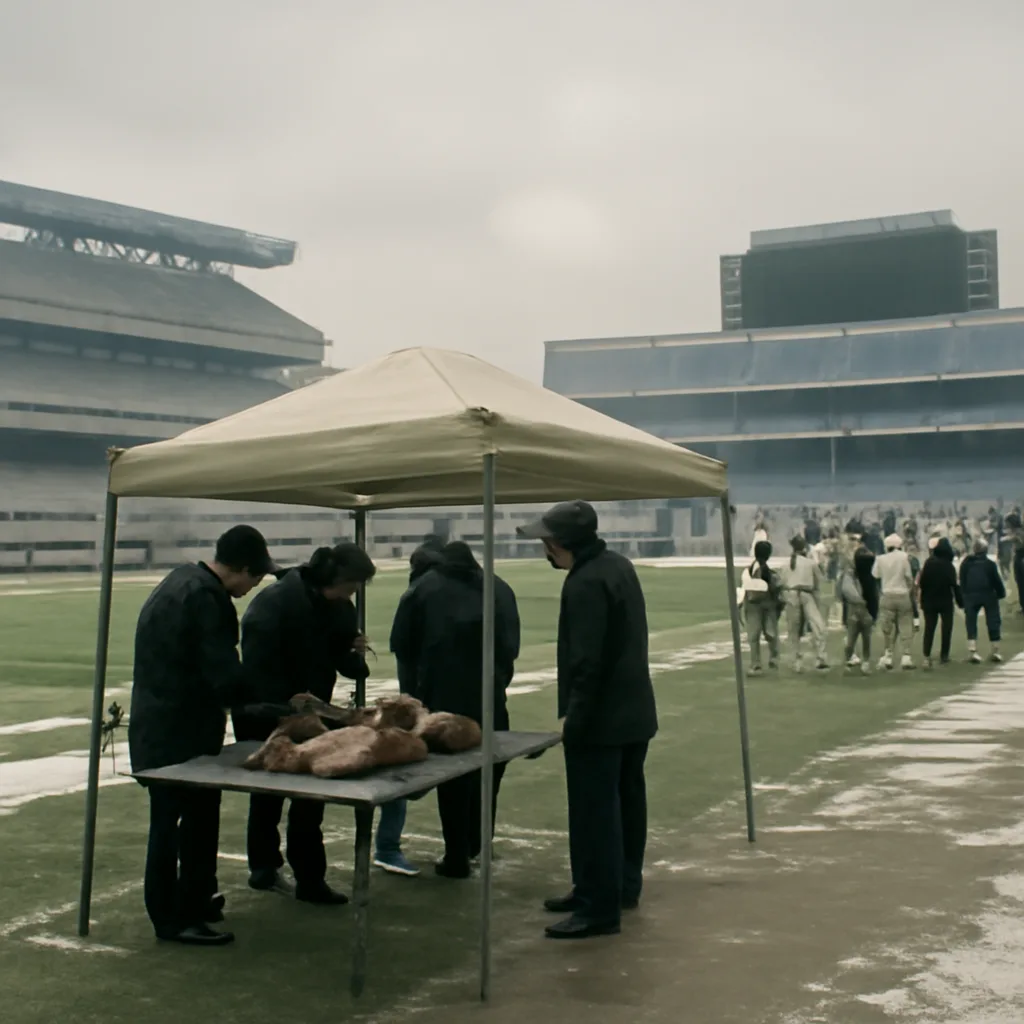
On January 18 (the year is 2015), the New England Patriots defeated the Indianapolis Colts 45–7 in an AFC divisional-round game played at Gillette Stadium in Foxborough, Massachusetts. The game itself was a lopsided contest: Patriots quarterback Tom Brady completed 34 of 43 passes for 226 yards and four touchdowns. The Patriots' offense dominated, the defense forced turnovers and the Colts’ key players, including quarterback Andrew Luck, were unable to mount a comeback. Although the score and game performance were decisive, the matchup later gained historical significance because Colts staff reported to the NFL that some Patriots game balls felt underinflated. Following that report, the NFL launched an investigation that examined the inflation levels of footballs used by the Patriots during that game and a subsequent AFC Championship Game against the Denver Broncos. The inquiry produced a substantial controversy—commonly called "Deflategate"—over whether Patriots personnel intentionally tampered with footballs, how much inflation pressure can change with temperature and handling, and how the league should enforce equipment rules. Key elements of the unfolding controversy included: the Colts' complaint to league officials after the game; measurements taken of footballs that led investigators to conclude several were below the 12.5–13.5 psi limits in the NFL's rulebook; scientific and expert testimony about how environmental factors (including game-day temperature and the difference between indoors and outdoors) could affect pressure; and a protracted disciplinary process. The NFL's investigation and subsequent disciplinary actions, including a four-game suspension issued to Tom Brady in 2015 by then-NFL Commissioner Roger Goodell, drew sustained media attention, legal challenges, and debate within the football community. The January 18 game remains the on-field origin point for the dispute because it prompted the initial report and measurements. While the game result itself is clear in the record, the causes and meanings attributed to the alleged underinflation have been disputed: the NFL concluded that it was more probable than not that Patriots personnel were involved, while others—including some independent scientists and legal advocates for the Patriots—argued that natural pressure changes and handling could explain the measurements. Legal proceedings and appeals over the discipline extended the controversy into 2016 and beyond, ensuring that the term "Deflategate" endured as much for its off-field ramifications as for the on-field scoreline. In short, the Patriots’ 45–7 win over the Colts on January 18, 2015, is historically significant both for its decisive outcome and for triggering a larger, contested investigation into ball inflation that shaped league policy debates and legal disputes in the following years.