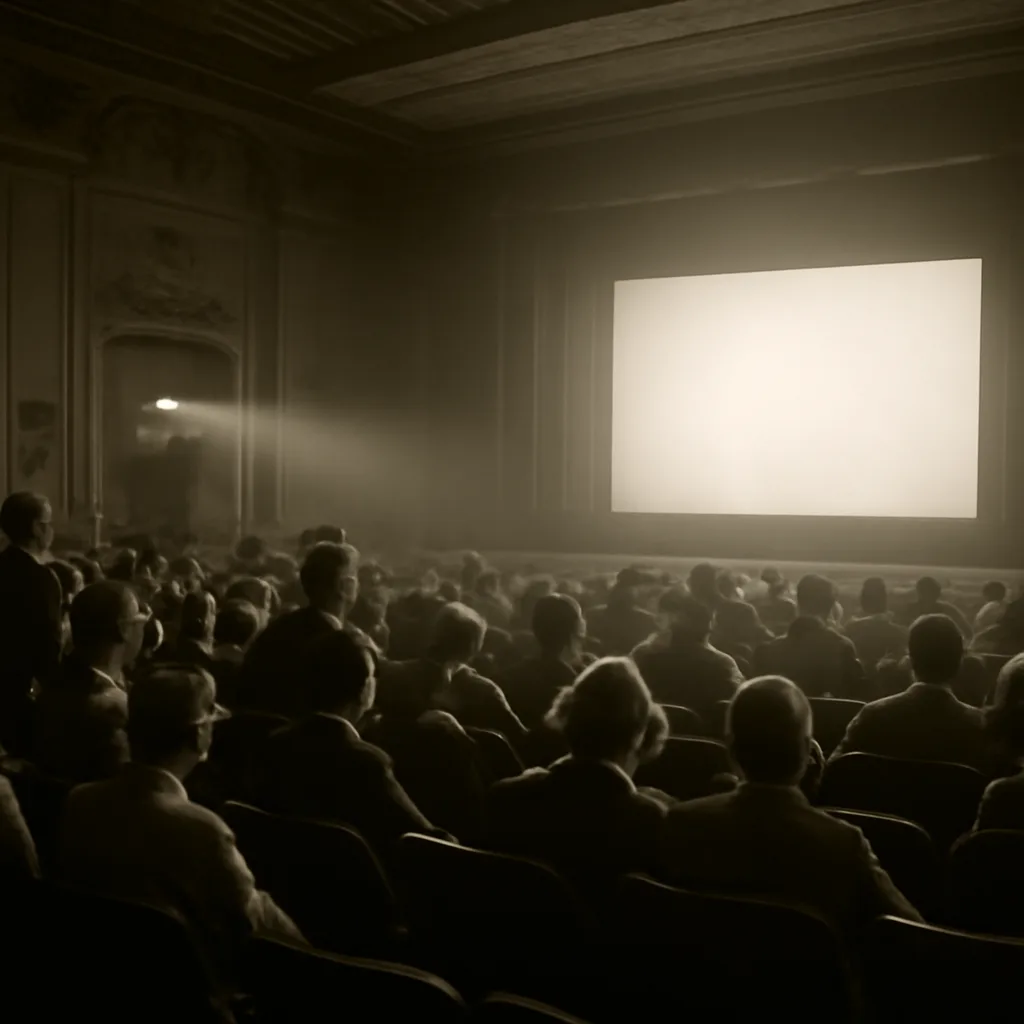
On March 12, 1931, a public screening of a horror film became notable for the strong reactions it produced among some viewers, an episode that has since been cited in histories of early cinema and the development of film censorship. The film in question was circulated during a period when sound film was still new and the horror genre was coalescing around themes of monstrosity, science gone wrong, and supernatural dread. Context The late 1920s and early 1930s saw rapid changes in film technology and exhibition. The advent of synchronized sound and improvements in lighting and makeup allowed filmmakers to create more immersive, startling images and atmospheres than many theatergoers had previously experienced. At the same time, social anxieties about modernity, urbanization, and shifting moral standards made some audiences and civic authorities wary of cinema’s emotional power. The Screening Accounts from the period describe a public screening on March 12, 1931, in which segments of the audience reacted with alarm to scenes intended to frighten. Reported reactions included shouting, people leaving the auditorium, and in some accounts fainting. Contemporary newspapers and trade publications discussed the incident alongside broader concerns about the effect of sensational films on public decency and behavior. Public Debate and Censorship The screening fed into ongoing debates about film regulation. In the United States and elsewhere, local censorship boards exercised broad authority to cut or ban material they deemed indecent or dangerous. Incidents of mass upset at screenings were used by reformers and some public officials to argue for stricter controls. The period soon saw more formalized self-regulation within the American film industry (leading to the Production Code later in the 1930s) and varied local rules that shaped what audiences could see. Historical Assessment Modern film historians treat reports of panic with caution. Eyewitness accounts and press coverage from the era can be exaggerated or shaped by editorial agendas. While there is reliable evidence that some screenings elicited strong emotional responses, the scale and uniformity of “panic” are often debated. Scholars emphasize the importance of situating such episodes within broader cultural contexts—technological novelty, publicity practices, and moral campaigns—rather than reading them as purely spontaneous mass events. Legacy The March 12, 1931, screening is remembered as part of the early public reception of horror cinema and as an example of the anxieties that helped produce film censorship and content regulation. It illustrates how new media forms can provoke intense reactions and become focal points in larger conversations about culture, morality, and the power of spectacle. Notes on Sources This summary synthesizes published historical research on early sound cinema, contemporary press accounts, and scholarship on film censorship. Specific details about audience size, the exact venue, and the full sequence of events are unevenly documented in contemporary sources, and some aspects are disputed among historians.