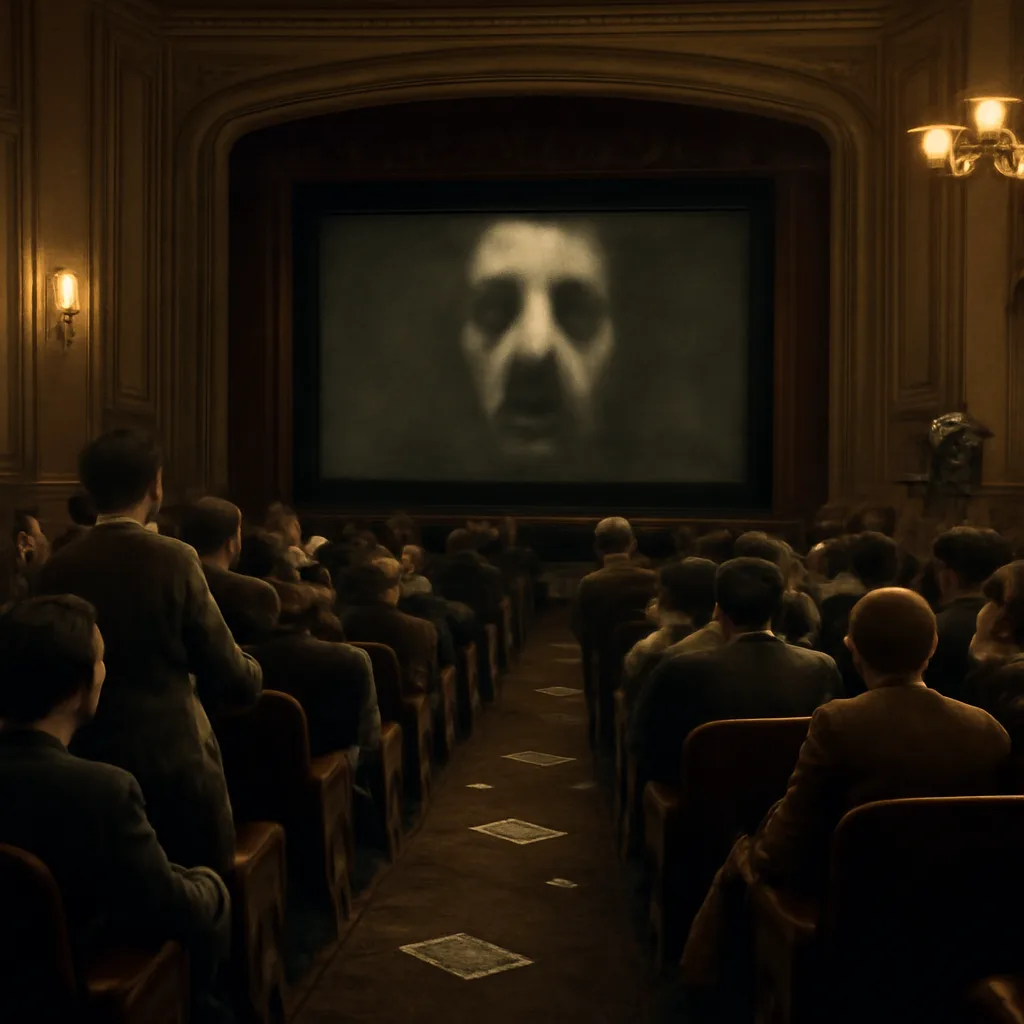
Panic at the Premiere: Early Horror Film Sparks Outcry
A premiere in March of an unspecified year allegedly provoked strong public reaction when early horror filmmaking techniques—realistic makeup, startling edits, and novel special effects—shocked audiences unused to cinematic terror, prompting debate over film censorship and public morality.
In early cinema, screenings sometimes produced reactions that modern viewers might find hard to imagine: vocal outrage, fainting, or hurried departures. One such premiere in March (day recorded as the 12th; the specific year is not firmly established in surviving sources) has been recalled in accounts of early horror cinema as a flashpoint. The screening reportedly combined striking makeup, rudimentary special effects, and editing that exploited the new medium’s capacity to unsettle viewers.
Contemporary audiences, still acclimating to moving pictures as a form, often brought theatrical expectations and different norms of public comportment to film viewings. Filmmakers experimenting with macabre themes and startling imagery could therefore produce intense responses. Reports surrounding the March 12 premiere emphasize how techniques—close framing on a distorted face, sudden cuts, simulated violence achieved with in-camera effects and stagecraft—created a vivid sensory impact that some viewers found distressing.
Historically, episodes like this fed into broader debates about cinema’s social effects. Across Europe and North America in the late 19th and early 20th centuries, local authorities, press commentators, religious leaders, and parent groups sometimes called for restrictions on films deemed shocking or immoral. These calls prompted municipal censorship boards, classification schemes, and occasional theatre interventions. The March premiere is typically cited in secondary discussions as an example of how early horror pushed the boundaries of acceptable content and accelerated institutional responses.
Sources that document these reactions vary in specificity and reliability. Some contemporary newspaper accounts described strong audience reactions but tended toward sensational language; later film historians have used such reports to illustrate trends rather than to establish precise facts about any single screening. Surviving film prints from the era are often fragmentary or lost, making it difficult to reconstruct exactly which shots or sequences most provoked viewers. Where exact details are uncertain, scholars emphasize the pattern: filmmakers were learning how editing, framing, lighting, and makeup could manipulate audience emotions in ways that were new and sometimes alarming to early viewers.
The cultural impact of such premieres extended beyond immediate shock. They contributed to the emergence of genre conventions—images and motifs that filmmakers refined over decades—and to dialogues about film’s capacity to influence behavior and taste. Municipal regulations and self-regulatory industry practices that followed were not always direct responses to one event, but cumulative outcomes shaped by multiple incidents and a growing public conversation about media effects.
In sum, the March 12 premiere remembered in accounts of early horror cinema illustrates the medium’s formative period, when technical innovation and shifting social expectations intersected. While the specific year and many granular details remain unclear in surviving records, the episode is useful as a historical example of how early films could provoke intense audience reactions and help catalyze debates about censorship, taste, and the responsibilities of filmmakers and exhibitors.