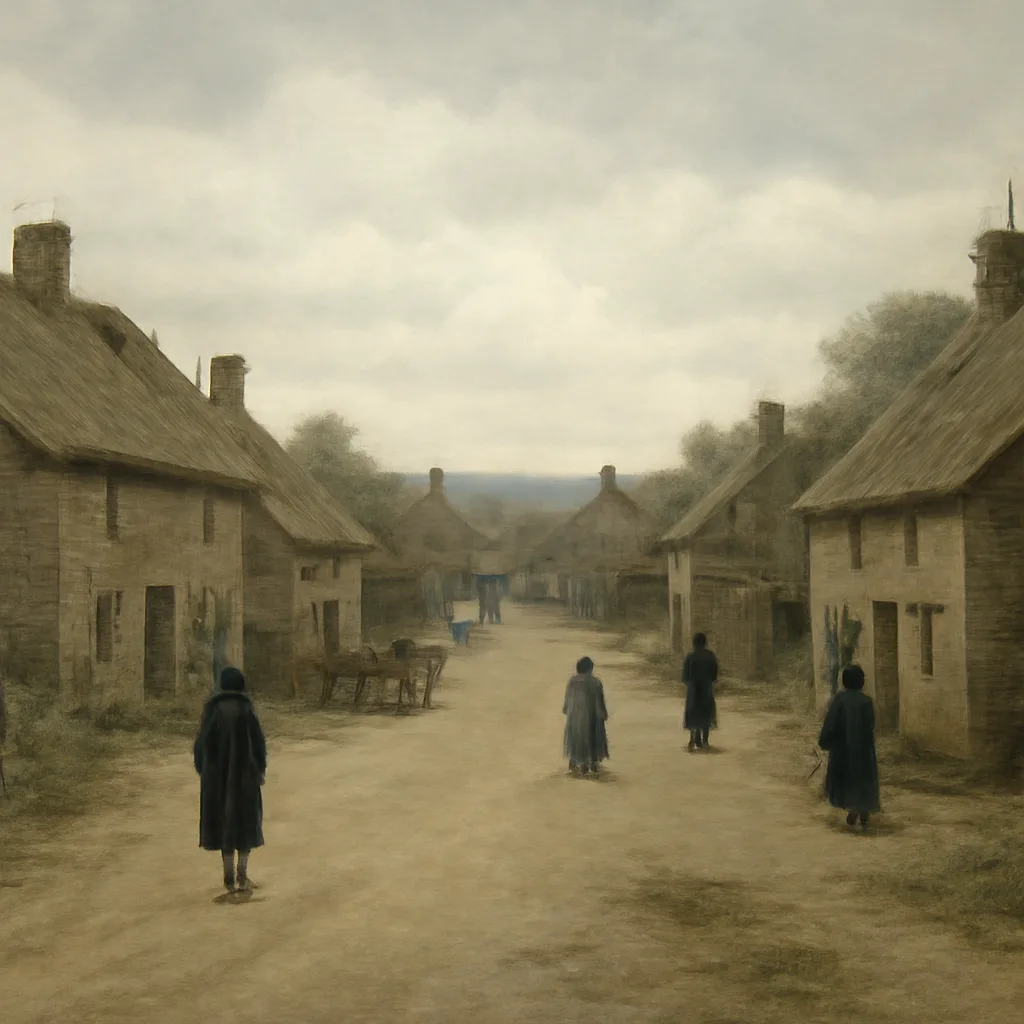
In March 1820, observers in a rural village recorded several inhabitants whose skin and lips appeared markedly blue. At the time, such cases drew local alarm and a variety of explanations rooted in contemporary medical knowledge and folklore. Modern retrospective analysis associates similar presentations with hereditary methemoglobinemia, a genetic condition that increases levels of methemoglobin in the blood and can produce a blue or slate-gray skin tone (cyanosis) without other immediate signs of poisoning. Contemporary context Early 19th-century medical understanding of blood disorders was limited. Physicians could recognize cyanosis (bluish discoloration) but lacked modern laboratory tests to measure methemoglobin or oxygen saturation. Local reports from the period often mixed empirical observation with speculative causes—ranging from environmental miasmas to dietary influences—because germ theory and much of modern hematology were not yet established. What hereditary methemoglobinemia is Hereditary methemoglobinemia is most commonly caused by a deficiency of the enzyme cytochrome b5 reductase (also called NADH-dependent methemoglobin reductase) or by abnormal hemoglobin variants (sometimes called hemoglobin M). These defects impede the normal reduction of methemoglobin back to functional hemoglobin, leading to elevated levels of methemoglobin which cannot carry oxygen effectively. Clinically, affected individuals often show lifelong cyanosis that may be relatively stable and not accompanied by severe illness; some can be otherwise healthy with reduced exercise tolerance. The condition is genetic and can cluster within families and isolated communities. Why villages could show clustered cases Small or historically isolated populations may have higher frequencies of certain genetic variants because of founder effects, limited gene flow, or consanguineous marriages. In such settings, recessive enzyme deficiencies or dominant hemoglobin variants can appear in multiple related individuals, producing a visible cluster of blue-skinned residents. This pattern fits later documented examples of methemoglobinemia in isolated communities in various countries. Limitations of historical attribution Assigning the 1820 village cases definitively to hereditary methemoglobinemia requires caution. No preserved blood samples or contemporaneous laboratory data are available from that period. Descriptions from the time may conflate true cyanosis with skin discoloration from other causes (for example, chronic exposure to certain chemicals, topical dyes, or tanning methods), and reportage may be uneven in precision. Therefore, while hereditary methemoglobinemia is a plausible explanation consistent with later documented cases of familial blue discoloration, it cannot be confirmed for the 1820 instances without direct biological evidence. Modern relevance Hereditary methemoglobinemia is now diagnosable by measuring methemoglobin levels and, when indicated, by genetic testing to identify enzyme deficiencies or hemoglobin variants. Treatments can include administration of methylene blue in acute symptomatic cases (except in some hemoglobin M variants where it is ineffective) and supportive care; for many affected individuals, the condition is chronic but manageable. Historical episodes of clustered cyanosis underscore how genetic disorders can be misinterpreted in eras before modern diagnostics. Conclusion The 1820 reports of blue-skinned villagers match the visible pattern produced by hereditary methemoglobinemia—a genetic disorder that can cause persistent cyanosis and cluster in families or isolated communities. However, because of the absence of contemporary laboratory confirmation and the possibility of other local causes, the diagnosis for those specific 1820 cases remains a well-supported hypothesis rather than a proven fact.