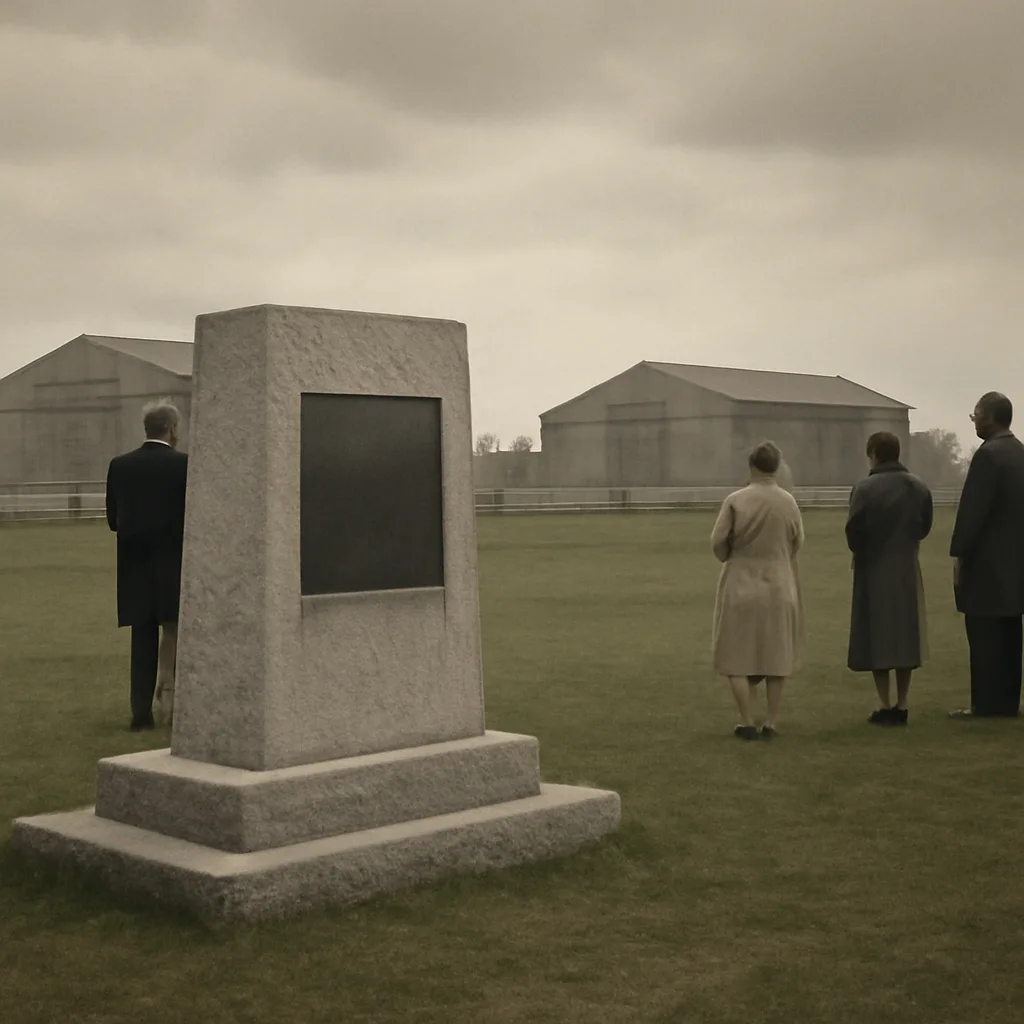
On March 6, 1937, the German passenger airship LZ 129 Hindenburg was destroyed by fire while attempting to land at the Naval Air Station Lakehurst in New Jersey. The disaster killed 36 people—13 passengers, 22 crew members, and one worker on the ground—and injured many others. It was recorded on film and radio, and the dramatic images and Herbert Morrison’s famous radio report made the catastrophe an enduring public memory. The Hindenburg’s loss effectively ended the era of commercial passenger travel by rigid airships. Memorials at Lakehurst The primary site of remembrance is at the former Naval Air Station Lakehurst, now part of Joint Base McGuire–Dix–Lakehurst. A stone memorial and plaque on the base commemorate those who died in the crash; the site includes the approximate location of the landing field where the airship burned. Access to the memorial on base is governed by military security procedures, but the memorial has been a focal point for annual remembrances and visits by relatives of the victims, historians, and airship enthusiasts. Local and international markers Beyond Lakehurst, other markers and small memorials recognize the disaster and its victims. In Germany, memorials and museum exhibits recount the history of the Hindenburg and its place in German airship development. Museums that interpret the event often display artifacts, photographs, and newspaper accounts from 1937 to situate the disaster in both technological and cultural context. Some communities associated with crew members or passengers maintain local remembrances or include the names of victims in civic memorials. Individual and collective remembrance Names of the dead have been recorded in lists maintained by historians and memorial organizers; these lists typically identify passengers and crew by name, nationality, and role. Relatives of victims have periodically held commemorative events at anniversaries—most notably the 50th and 75th anniversaries—bringing together family members, researchers, and veterans’ organizations. Academic and popular histories also keep the memory of the victims alive by documenting the event, analyzing its causes, and tracing its cultural aftermath. Interpretation and public history Interpretive efforts balance the human toll with broader historical themes: the promise and peril of new technologies, transatlantic travel in the interwar years, and the role of mass media in shaping public perception. Museums and exhibits avoid sensationalism by grounding displays in contemporaneous sources—press reports, survivor testimony, technical investigations—and by noting disputed or uncertain details where they exist. Debate over the fire’s precise ignition source has persisted among researchers; memorials focus largely on honoring victims rather than settling technical controversies. Continuing relevance The Hindenburg disaster remains a touchstone in public memory for abrupt technological failure and its consequences. Memorials and commemorations ensure that the names and fates of those who died are not forgotten, and they provide places for reflection on the human costs of innovation and the fragility of early commercial aviation. As historians continue to revisit primary sources and preservation efforts keep artifacts accessible, public remembrance at Lakehurst and elsewhere sustains the link between the 1937 tragedy and subsequent generations.