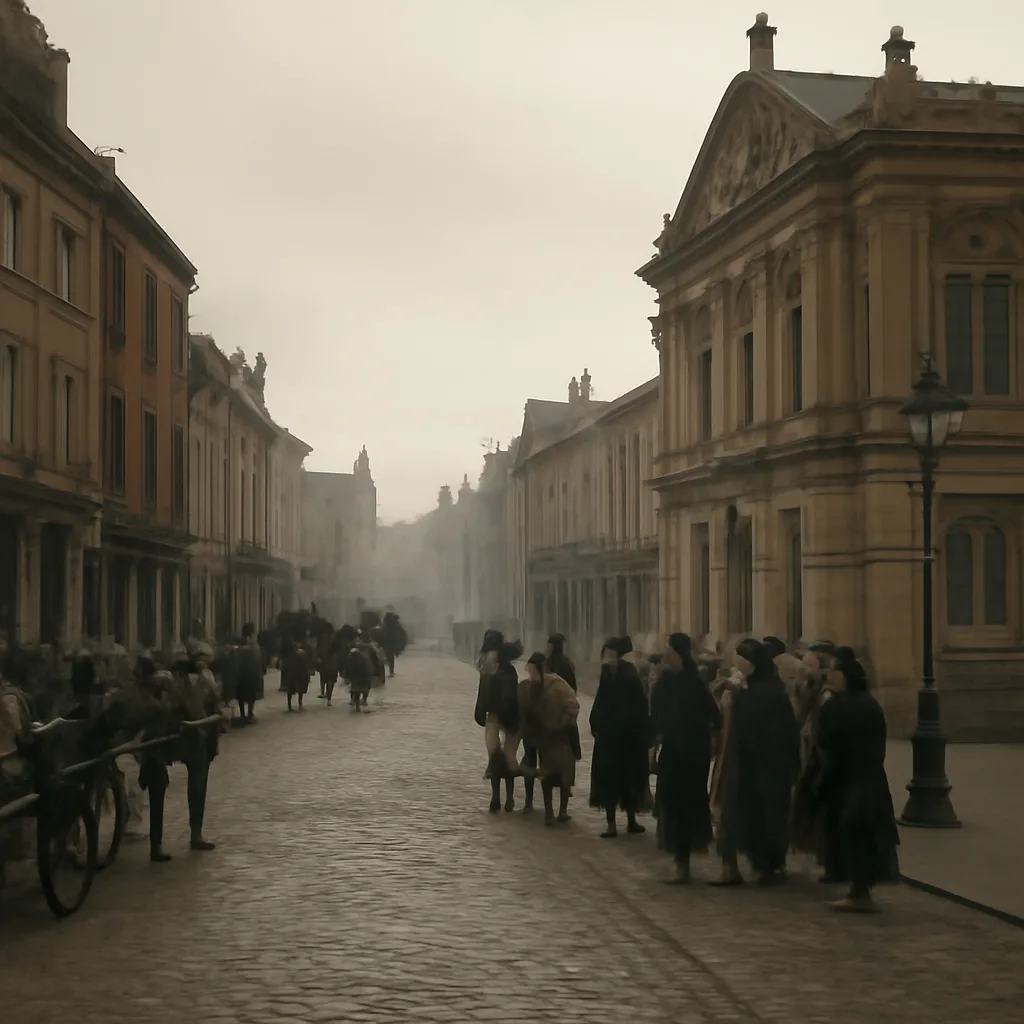
On the morning of 6 March 1891 in Gloucester, England, local newspapers and police records show that alarm spread among parts of the population after the disappearance of a child and the rapid circulation of rumours that the child had been killed in a ritual—an allegation that echoed the medieval “blood libel” trope. Contemporary accounts indicate that the panic was not based on verified evidence: investigations by local authorities found no substantiation for claims of ritual murder, and no charges were brought against members of the Jewish community in connection with the incident. Context and causes By the late 19th century, the “ritual murder” accusation—often called the blood libel—remained a persistent antisemitic myth in parts of Europe and occasionally surfaced in Britain, typically when social anxieties, sensational press coverage, or local disputes found a target. In Gloucester the allegation appears to have spread rapidly through word of mouth and press items that emphasized mystery and suspicion without corroborating facts. Economic hardship, local tensions, and familiarity with older libels likely made the population more receptive to such claims. Official response Local police and civic authorities in Gloucester treated the disappearance as a criminal and missing-person matter rather than as evidence of organized ritual killing. Reports from the period show follow-up inquiries that failed to produce material proof linking the Jewish community to any wrongdoing. Magistrates and some local newspapers urged caution, though other outlets printed speculative material that contributed to public fear. Impact on the Jewish community Even absent legal findings, the allegation increased anxiety among Gloucestershire’s small Jewish population. Fear of violence, social ostracism, and reputational harm followed similar patterns observed elsewhere when ritual murder rumours circulated: congregations and families often kept a lower public profile and sought reassurance from civic leaders. Historians treating such episodes emphasize that damage to communal relations can be severe irrespective of legal outcomes. Broader significance The Gloucester episode of March 1891 fits within a larger historical pattern in which medieval-style accusations resurged in modern settings. Scholars caution that these panics reveal the durability of antisemitic narratives and the role of rumor, sensational journalism, and social stress in producing local crises. The event did not produce convictions tied to the ritual allegation and is chiefly notable as an instance of a community reaction rooted in prejudice rather than verified criminal conduct. Limitations and sources Contemporary press reports, police records, and later historical studies provide the basis for this account. Specific archival references and newspaper titles are available in local Gloucestershire archives and in compilations of antisemitic incidents in Britain; this summary avoids naming unverified individuals or repeating disputed allegations as fact. Where details are uncertain in surviving reports—such as precise sequences of rumours or private conversations—this account notes the lack of substantiation rather than presenting speculation as confirmed.