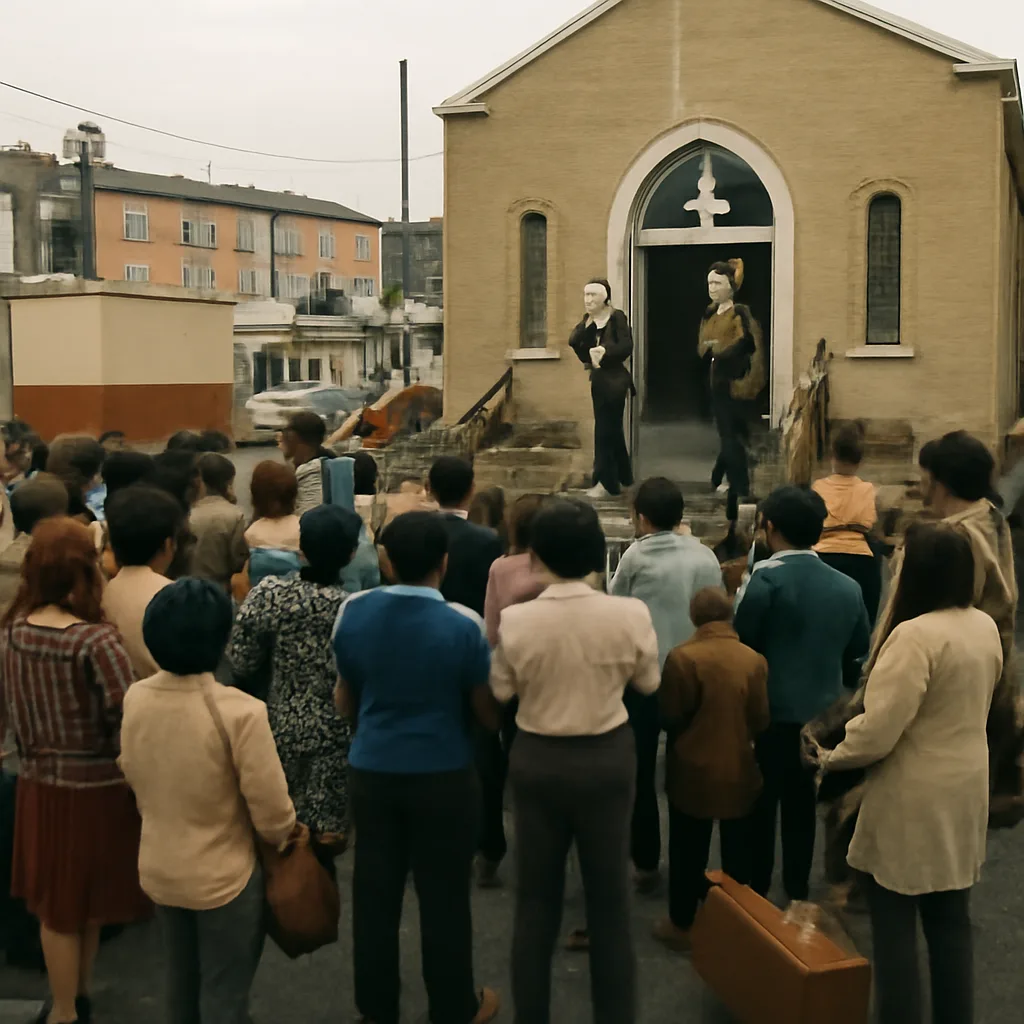
In late July and early August, Peoples Temple leader Jim Jones intensified calls for members to relocate from urban church sites to a rural communal settlement he promoted as a model of racial integration, social equality and protection from external threats. Jones presented relocation as part of a broader effort to build a self-sustaining community in a remote area, arguing it would shield followers from hostile media coverage, legal challenges and political opposition. The call to relocate grew out of several pressures confronting Peoples Temple in the 1970s: heightened public scrutiny of charismatic religious leaders, local political controversies involving Temple activities, and internal organizational shifts toward centralized control. Jones cultivated a narrative that relocation was both a moral imperative and a pragmatic necessity — a chance to practice cooperative living, agricultural self-sufficiency and communal child-rearing away from what he described as corrupt influences in U.S. cities. Organizationally, the proposal involved moving groups of congregation members and their families to a designated rural site where the Temple planned housing, communal kitchens, medical care and work assignments. Jones and his inner circle emphasized group loyalty and obedience, and decision-making increasingly flowed from central leadership. Many members were drawn by promises of equal treatment, racial integration, and social services that the Temple provided in its urban congregations. Reactions among Temple members were mixed. Some embraced relocation as an opportunity for a new communal life aligned with the group’s ideals. Others expressed reservations about leaving jobs, extended family, and familiar urban networks. The prospect of relocation also prompted concern among local elected officials, journalists and former members who viewed the move as an effort to evade oversight. Historical accounts and contemporaneous reporting indicate that the relocation campaign was accompanied by intensive recruitment and logistical planning, including transporting supplies and people and establishing administrative systems at the proposed site. Jones framed the settlement as a sanctuary that would demonstrate the viability of the Temple’s promises: social equality across racial lines and material security through collective labor. Scholars and journalists have cautioned that Jones’s rhetoric about protection and utopia coexisted with growing authoritarian tendencies within the Temple. Over time, critics and some defectors reported increasing pressure to conform to the leadership’s directives, reduced access to outside information, and a climate in which questioning decisions could prompt social or organizational consequences. The announcement to relocate thus needs to be seen in context: as part spiritual vision, part practical plan for communal living, and part strategic response to mounting external pressures. It marked a turning point in the organization’s trajectory, as the emphasis on physical separation and centralized control intensified. Subsequent historical investigations and reporting trace how these developments influenced later events involving the Peoples Temple. This summary relies on contemporary reporting and later historical research into Peoples Temple’s organizational practices and Jim Jones’s leadership in the 1970s. Where details of internal deliberations among members remain disputed or based primarily on testimony from later defectors, researchers note differing interpretations and have highlighted the need to treat some internal accounts with caution.