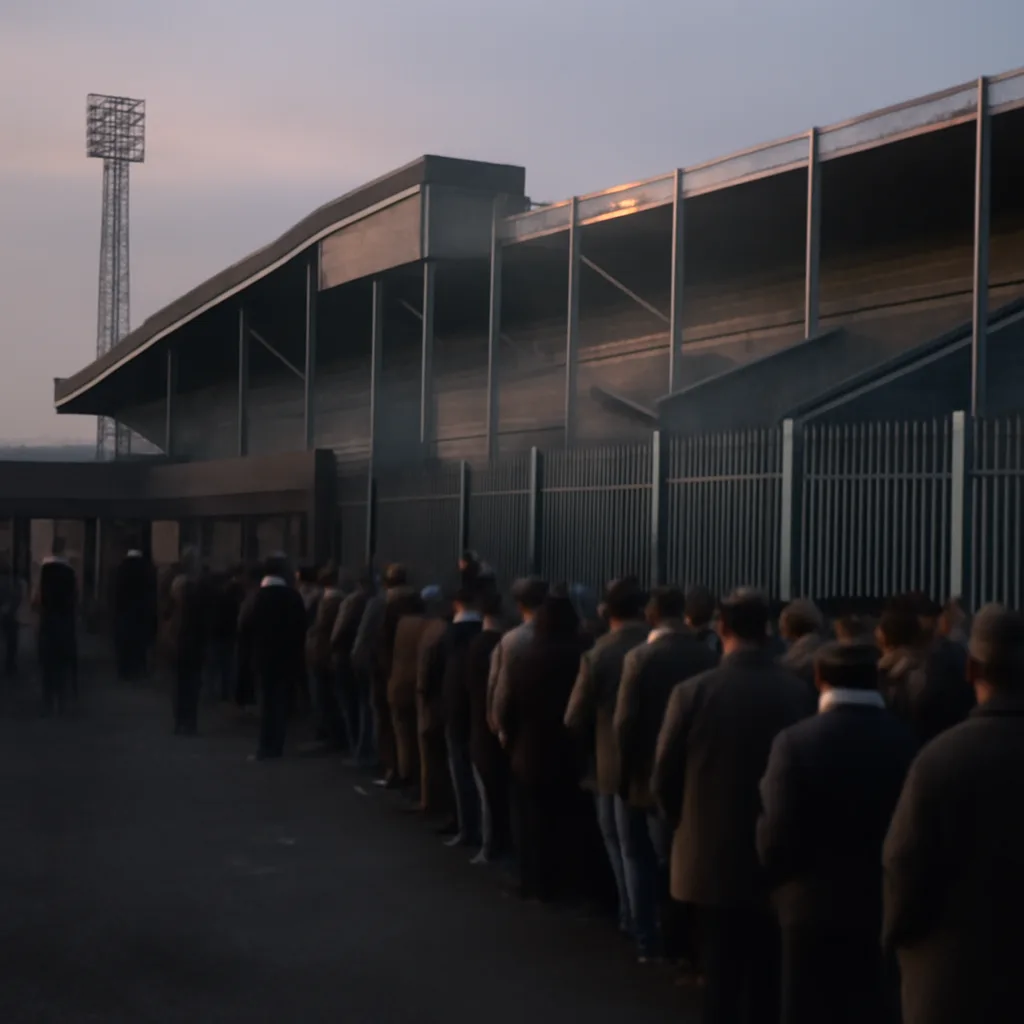
On 15 April 1989, a fatal crowd crush occurred during the FA Cup semi-final match between Liverpool and Nottingham Forest at Hillsborough Stadium in Sheffield. The disaster unfolded in the stadium’s Leppings Lane end, where thousands of supporters were held in pens behind perimeter fencing. Overcrowding in those pens, compounded by failures in crowd management and stadium design, resulted in a massive crush against an exit tunnel and fencing. As a result, 97 Liverpool supporters died either on the day or subsequently from injuries sustained, and hundreds more were injured. The match was scheduled to start at 3 p.m.; police attempted to manage access to the turnstiles and directed some arriving fans down a tunnel to central pens, which were already overcrowded. Eyewitness accounts, medical testimony, and later inquiries identified critical failures: inadequate policing decisions including the opening of an exit gate and directional choices that concentrated fans into penned terraces; insufficient stewarding; locked and high perimeter fencing designed to prevent pitch invasions; and stadium features that impeded escape and emergency access. Many victims suffered crush asphyxia. Immediate responses included the suspension of the match and attempts by supporters, stewards and emergency services to assist the injured. Initial news coverage and some official statements controversially suggested fan misbehaviour contributed to the disaster; these claims were later discredited. The disaster prompted multiple investigations and inquiries. The most significant were the Taylor Inquiry (1989–1990), which examined safety at football grounds and led to major reforms including the removal of high fenced terraces at top-level grounds and the move toward all-seater stadiums; and long-running legal and public inquiries culminating in the 2016 inquests’ verdicts of unlawful killing. The inquests found that failures of police control and emergency response made a significant contribution to the deaths. Subsequent investigations and newly disclosed evidence also established that earlier police and official accounts had been misleading or altered, leading to public outrage and calls for accountability. The Hillsborough disaster had far-reaching consequences for stadium safety, crowd management, and policing at sporting events in the United Kingdom. It accelerated reforms to stadium design, spectator safety standards and emergency procedures. Families of the victims campaigned for decades for truth and justice; their efforts were central to reopening investigations and securing inquest findings that acknowledged unlawful killing and identified systemic failures. The event remains a defining and tragic moment in British sporting and public-safety history. Commemorations and memorials continue to honour those who died and to recognise the ongoing importance of rigorous safety standards, transparent investigations and accountability in preventing similar tragedies.