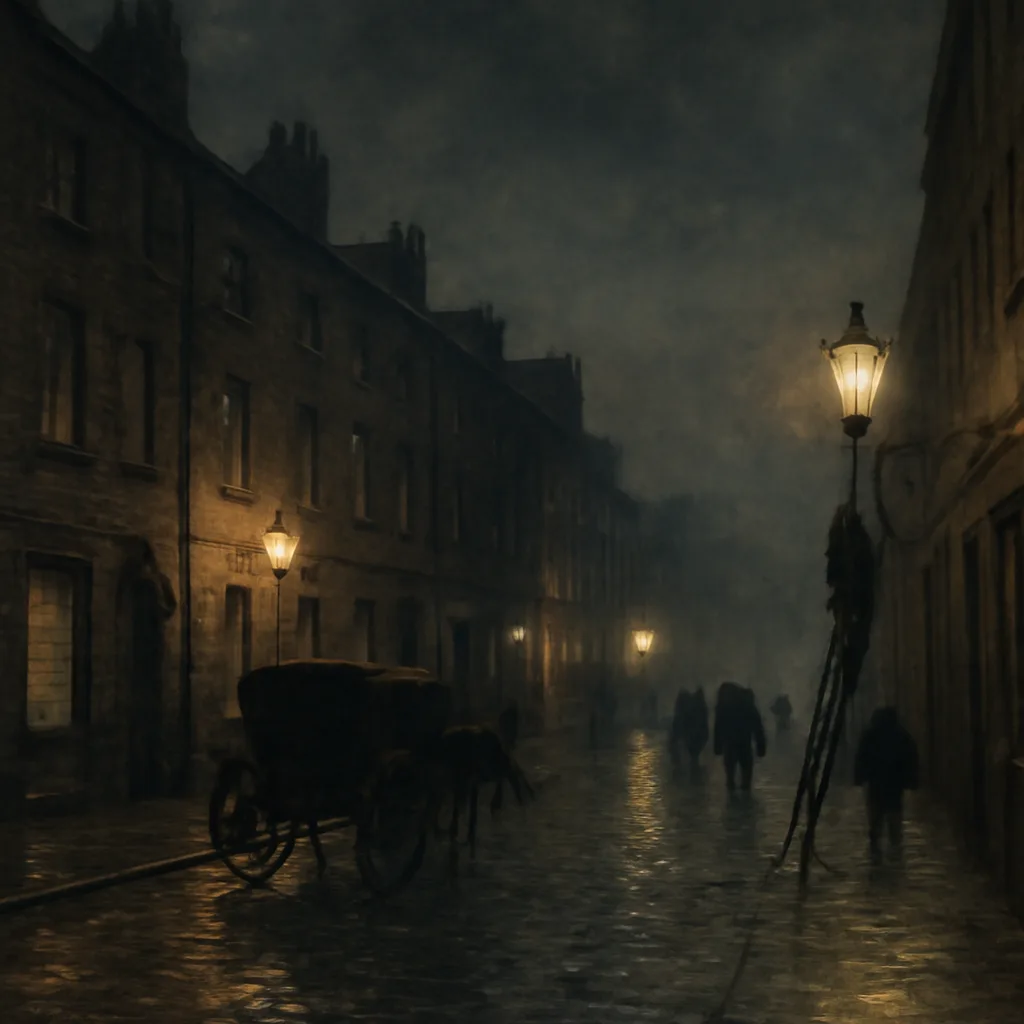
In the late 19th century, the Whitechapel district of London’s East End became the focus of intense public fear and media attention after a sequence of violent killings of women in 1888. The victims—most commonly identified as prostitutes struggling in poverty—were murdered at close quarters, and the sensational nature of the crimes, combined with lurid newspaper coverage, turned the case into an international obsession. The canonical five victims most frequently linked to the Ripper are Mary Ann Nichols (found August 31, 1888), Annie Chapman (found September 8, 1888), Elizabeth Stride (found September 30, 1888), Catherine Eddowes (also found September 30, 1888), and Mary Jane Kelly (found November 9, 1888). These five murders share similarities in victim profile and the level of violence used; however, historians and researchers note that the exact number of murders attributable to a single killer remains disputed. Some investigators include additional earlier or later killings, while others contend that not all of the canonical five were the work of the same person. Police forces of the time—the Metropolitan Police and the City of London Police—conducted extensive but ultimately inconclusive investigations. The late Victorian era’s forensic capabilities were limited: fingerprinting was in its infancy, blood analysis was rudimentary, and standardized crime-scene procedures were not yet established. The enormous press coverage amplified public pressure on the police, and numerous suspects were proposed by journalists, amateur detectives, and officials. Among the many theories advanced over the years have been suspects from different social classes and professions; no singular, universally accepted identification has emerged. The murders exposed stark social conditions in Whitechapel: overcrowded lodging houses, widespread poverty, limited medical and social support, and marginalization of women who resorted to street-based work. Contemporary writers and later historians have emphasized how these structural factors shaped both the vulnerability of the victims and the public response to the crimes. The case also influenced policing and investigative practices, contributing to subsequent developments in criminal detection and public communication by police. Media coverage played a major role in shaping the enduring legend of 'Jack the Ripper.' Sensational newspapers printed lurid details and speculative letters—one of which, signed 'Jack the Ripper,' was widely publicized; the authenticity of such correspondence is debated. The press’s framing of the murders combined moral panic, class anxieties, and fascination with violence, producing a cultural phenomenon that outlived the immediate investigations. Over the following decades the case has generated extensive scholarship, amateur research, and popular works. Advances in archival research and some modern forensic techniques have been applied to surviving evidence and documents, yielding occasional new claims and renewed debate. Nevertheless, definitive proof identifying the perpetrator or perpetrators has not been established, and the Jack the Ripper murders remain an unresolved and heavily scrutinized chapter of London’s history. The story endures not only because of the crimes themselves but because they illuminate Victorian urban life, the limits of contemporary policing, and the ways media and public imagination can shape a criminal case. While the historical record provides many verifiable facts about the victims, dates, locations, and police actions, uncertainties and contested interpretations persist—particularly regarding the number of murders by a single individual and the identity of the killer.