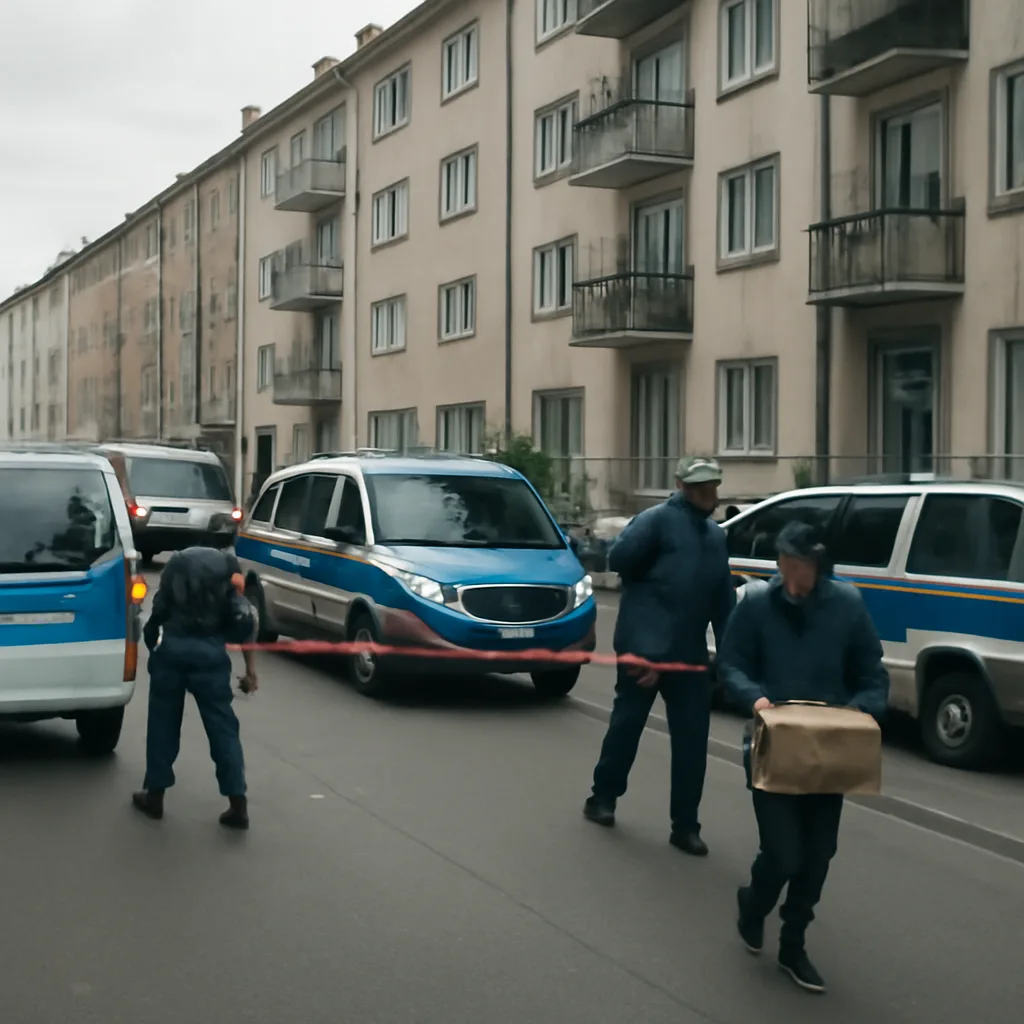
German federal and state prosecutors announced the discovery of a neo‑Nazi terror cell that investigators believe is linked to a string of racially motivated murders and violent attacks. The revelations follow coordinated raids, arrests and seizure of weapons and propaganda materials carried out by police units across multiple states. Authorities have said the cell operated clandestinely, promoting extremist ideology and preparing violent acts targeting migrants, ethnic minorities and political opponents. Early investigative findings indicate members had engaged in surveillance of potential victims, stockpiled weapons and discussed plans for attacks. Prosecutors are treating the case as politically motivated terrorism and have opened criminal proceedings that may include charges of murder, attempted murder, membership in a terror organization and violations of weapons laws. The probe builds on earlier inquiries into right‑wing extremist violence in Germany. In recent decades, German security services have repeatedly warned about the threat posed by small, tightly knit extremist groups that draw on neo‑Nazi networks for ideology, training and logistics. Officials said the newly uncovered cell appears to have links with broader far‑right milieus, including online circles and informal local networks, but investigators cautioned that establishing direct chains of command and responsibility for specific killings will take time. Investigators executed search warrants at residences and known meeting places, seizing computers, encrypted phones, firearms and extremist literature. Several suspects were detained; some remain in custody while others are under investigation. Prosecutors said forensic analysis of seized materials and communications will be central to determining whether the group was directly responsible for specific murders and attacks or preparing further operations. Victims named in preliminary reports include members of immigrant communities and people publicly associated with anti‑racist causes. Federal and state authorities have pledged resources to protect threatened communities and to accelerate forensic and digital examinations. Civil society groups and victims’ advocates have called for transparent, thorough investigations and criticized alleged failures by domestic intelligence bodies in earlier cases to detect extremist networks operating beneath the radar. Germany’s domestic intelligence agency (Verfassungsschutz) and state-level counterparts typically coordinate with police and federal prosecutors in such probes. In past high‑profile cases, criticism has focused on intelligence gaps, misclassification of extremist suspects and insufficient information‑sharing between agencies. Officials responding to the latest case have emphasized inter‑agency cooperation and said they would review previous files to assess whether opportunities to intervene were missed. Political reactions were swift. Lawmakers across the spectrum underscored the need to combat right‑wing terror while debating measures to strengthen prevention, surveillance of extremist groups and support for victims. Opposition figures urged clearer accountability for past failures; some parties warned against sweeping surveillance that could infringe civil liberties. Prosecutors have not released the full details of the evidence tying the cell to specific murders, citing the ongoing nature of the investigation and judicial secrecy. Media reports and activist groups have cited possible links between the suspects and earlier unsolved murders of people of immigrant background, but such connections must be proven in court. Authorities have emphasized that arrests and seizures do not equal convictions and that suspects are entitled to legal protections. The case underscores persistent concerns in Germany and across Europe about right‑wing violent extremism. Security experts say decentralized cells and lone actors inspired by extremist ideology pose detection challenges, particularly when groups use encrypted communications and online platforms to recruit and radicalize members. Investigations of this kind typically take months or years, combining forensic, digital and witness evidence to build prosecutable cases. As the probe continues, prosecutors have appealed for public information that could assist investigators and urged anyone with credible leads to come forward. Support services for affected communities and victims’ families have been mobilized, and memorials and vigils have been held in some cities to honor victims and demand justice. The evolving inquiry will likely prompt further political debate about how to prevent radicalization and strengthen safeguards against racially motivated violence.