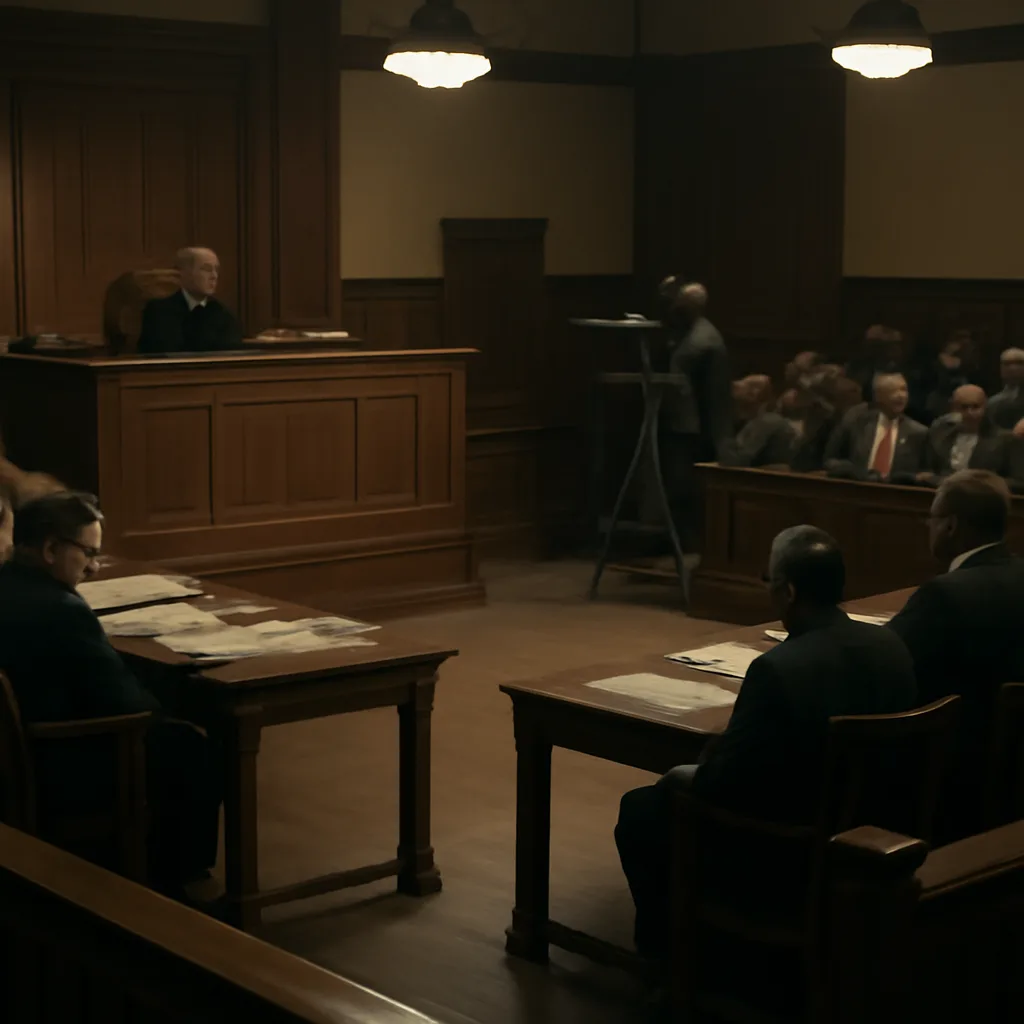
On February 5, television cameras entered a U.S. courtroom to broadcast proceedings in a murder trial — an early, high-profile instance of courtroom televising that catalyzed national discussion about public access to criminal justice. The move reflected the growing presence of electronic media in public institutions and raised immediate questions about witness privacy, juror influence and the integrity of trial proceedings. Background: Through the mid-20th century, most American courts prohibited cameras, citing risks that broadcasting would distort testimony, intimidate witnesses and turn serious proceedings into spectacle. Starting in the 1950s and 1960s, however, pressure mounted from news organizations and some reformers who argued that television could improve transparency and allow citizens to observe government functions without traveling to distant courthouses. The Trial and Broadcast: The trial beginning on February 5 was among the first U.S. murder trials to be broadcast on television. Court leaders and trial participants negotiated strict ground rules for the cameras: limited camera positions, prohibition on close-ups of jurors and witnesses, delayed feeds in some instances, and agreements restricting commentary from broadcasters during live testimony. Those constraints aimed to balance the public’s right to know with protections for fair trial rights. Public and Legal Reaction: Reactions were mixed. Supporters hailed the broadcast as a democratizing step, enabling wider public oversight of the justice system. Critics warned that cameras risked sensationalizing crime, influencing witness behavior and pressuring lawyers and judges to perform for an audience. Defense attorneys and civil liberties advocates also expressed concern that the presence of cameras could prejudice jurors or hamper candid testimony. Impact and Legacy: The February broadcast contributed to a patchwork of policies across states and federal courts regarding cameras. Some jurisdictions experimented with limited televising under strict rules; others maintained bans. The U.S. Supreme Court later addressed related issues in landmark decisions that set constitutional boundaries for publicity and fair-trial rights, leaving much discretion to individual courts. Over subsequent decades, local and national practices evolved unevenly: high-profile cases were sometimes televised or recorded, while many courts retained tight restrictions. The tensions evident from this early broadcast — transparency versus fair trial protections — continue to shape policy debates about live streaming, courtroom recordings and media access. Limitations and Uncertainties: Records from early televised trials are uneven, and practices varied by jurisdiction. Specific operational details — such as which outlets carried the broadcast and the exact technical arrangements — differed from court to court. Because broadcast experiments were nascent and often local, this February 5 instance should be seen as an important early example rather than an isolated, universally adopted precedent. Conclusion: The televising of a U.S. murder trial beginning on February 5 marked a notable moment in the intersection of media and law, spotlighting enduring questions about how to reconcile public oversight of courts with the need to protect the fairness and dignity of judicial proceedings.