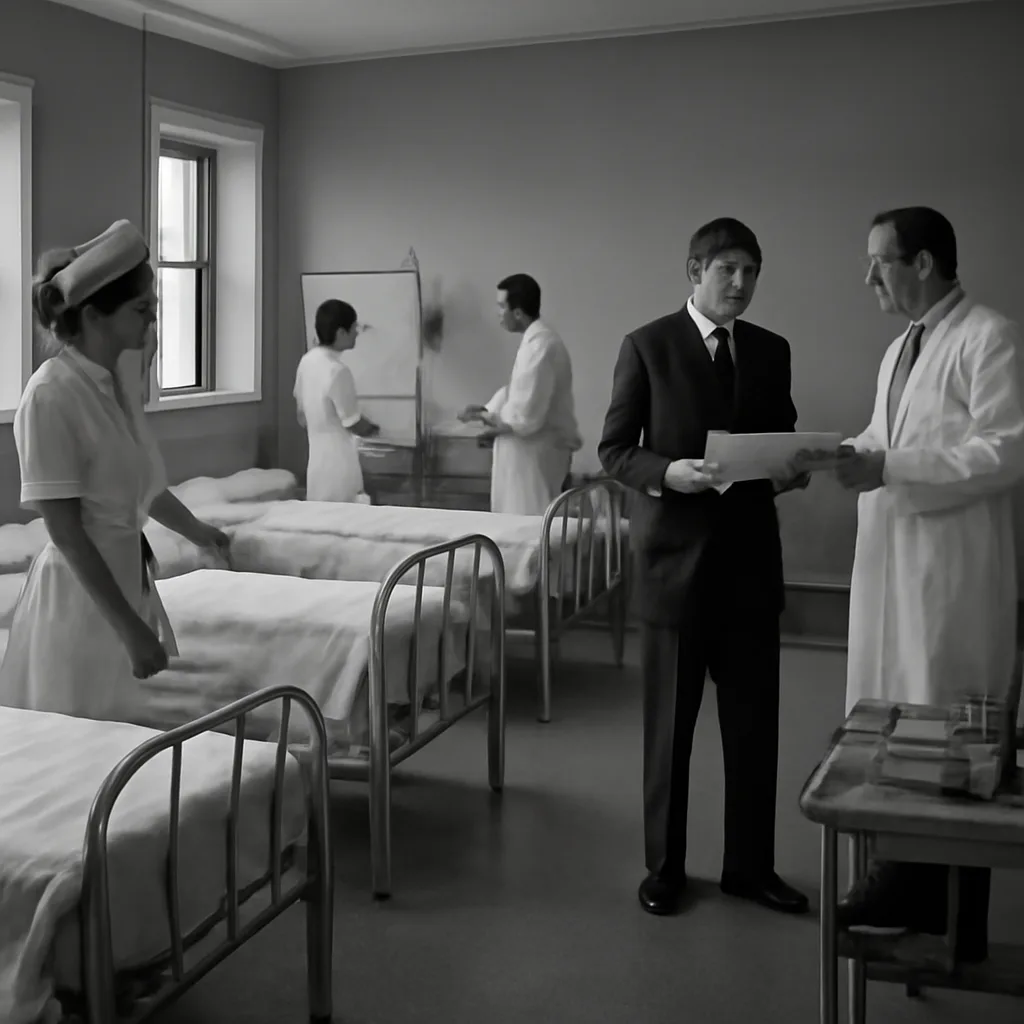
On February 3, 1946, medical literature recorded what is generally regarded as the first confirmed case of acute radiation sickness in a human that could be linked with external ionizing radiation exposure. The case emerged amid growing recognition in the 1930s and 1940s that high doses of x-rays and radioactive materials could produce a distinct clinical syndrome involving nausea, vomiting, hair loss, and bone marrow suppression. Documentation in early clinical reports and occupational health investigations consolidated these observations into a recognizable diagnosis by the mid-1940s. Background Before World War II, researchers and clinicians had noted harmful effects from radiation. Laboratory animal experiments since the early 20th century had shown radiation’s lethal potential, and scattered clinical descriptions—often related to industrial x-ray use, medical diagnostic mistakes, or radium dial painters—had appeared in medical journals. However, cases were sometimes poorly documented, misattributed, or lacked the dosimetric data that later investigators would consider necessary to confirm radiation as the cause. The February 1946 case The February 3, 1946 date refers to a clinical report that helped crystallize criteria for diagnosing acute radiation syndrome (ARS). The patient’s presentation—acute gastrointestinal symptoms followed by cutaneous changes and hematopoietic failure—matched patterns emerging from wartime and occupational exposures. While earlier suspected instances (for example among radium dial painters or x-ray technicians) existed, this 1946 report is commonly cited in historical reviews as the first clear, clinically detailed, and medically acknowledged confirmation of ARS in a human with a plausible exposure history. Medical and historical significance Recognition of a confirmed ARS case had immediate implications. It spurred more systematic occupational health surveillance for workers exposed to x-rays and radioactive materials and prompted improvements in radiation protection standards. The timing also intersected with the nascent atomic age: the Manhattan Project’s secrecy had obscured some information, but postwar disclosure and the 1945 atomic bombings intensified attention to radiation effects on humans. The 1946 confirmation helped bridge earlier scattered observations and later, better-documented exposures (notably the atomic-bomb survivors and industrial accidents). Limits and uncertainties Historians and medical researchers caution that attributing a single "first" case is fraught. Earlier patients with convincing radiation-induced illness likely existed but were undocumented or misdiagnosed. Some well-known earlier occupational illnesses—like those of radium dial painters in the 1920s—produced chronic radiation effects rather than the acute syndrome later codified as ARS. The 1946 case is thus best understood as the first widely accepted, well-documented clinical confirmation that matched the modern diagnostic concept of acute radiation sickness, rather than an absolute first-ever human casualty of ionizing radiation. Legacy The 1946 confirmation contributed to more rigorous study of dose–response relationships, the development of protective regulations for medical and industrial radiation use, and the establishment of protocols for diagnosing and managing radiation injuries. Subsequent high-profile incidents—atomic-bomb survivals, nuclear reactor accidents, and therapeutic overexposures—would further refine medical understanding and public policy, but the 1946 report remains a milestone in the formal recognition of ARS in modern medicine. Sources and scholarship This summary synthesizes historical reviews and medical literature on the early recognition of radiation effects in humans. Scholarly histories of radiobiology, occupational health case studies from the 1920s–1940s, and postwar clinical reports all contribute to the consensus that emerged by 1946 about the clinical reality of acute radiation sickness.