February 21, 1931: An Early Recorded Case of an Airplane Hijacking
On February 21, 1931, a U.S. postal flight was forcibly diverted in what contemporaries and some historians identify as the first documented airplane hijacking in the United States, an incident that highlighted the emerging vulnerabilities of civil aviation in the interwar years.
On February 21, 1931, a U.S. postal aircraft operating between Kansas City and Chicago was seized in flight by a man who ordered the pilot to divert the plane. Contemporary newspaper accounts and later historical summaries identify this event as one of the earliest documented cases—often described as the first documented airplane hijacking in the United States—though definitions and claims vary among sources.
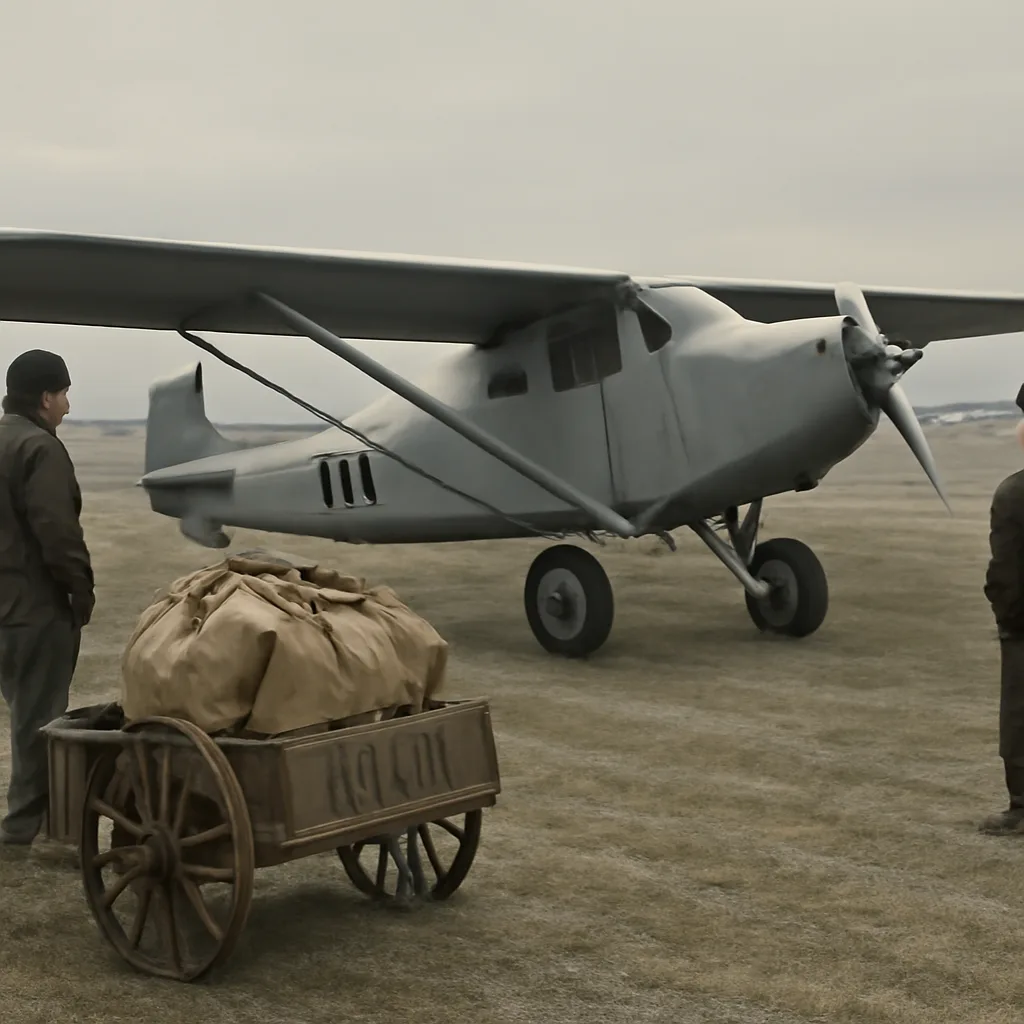
The flight involved a small commercial mail plane carrying U.S. mail; passenger air travel was still limited in 1931 and many early incidents involved mail or mail-and-passenger aircraft. According to contemporaneous reporting, a passenger or stowaway produced a weapon and compelled the pilot to change course. The aircraft was forced to land at a location different from its scheduled destination, where authorities apprehended the perpetrator. Details in period reports differ on some specifics: for example, some accounts describe the attacker as armed with a pistol, while others emphasize threats without confirming a firearm; similarly, the exact location of the unscheduled landing is reported variably in different regional newspapers.
Historians of aviation note that early commercial flights operated under far less rigorous security protocols than modern air travel, making them comparatively vulnerable to onboard coercion or diversion. The 1931 incident drew public attention to those vulnerabilities and contributed to evolving thinking about crew safety, passenger screening, and the protection of mail cargo. Over subsequent decades, as hijackings—both for political motives and criminal objectives—became more frequent worldwide, governments and airlines developed legal frameworks and security measures to counteract such threats.
It is important to acknowledge ambiguity in the historical record. While the February 21, 1931 incident is frequently cited in secondary sources as the first documented airplane hijacking in the U.S., other earlier or near-contemporary episodes have been described in various ways (e.g., forcible diversions, thefts, or sabotage) depending on how "hijacking" is defined. Some historians caution against a single definitive "first" because the archival record from the era can be incomplete and because contemporary reporters sometimes used different terminology.
The broader significance of the 1931 diversion lies less in its status as an absolute first and more in its reflection of aviation’s growing pains. The episode signaled that as commercial and postal aviation expanded, so did the need for regulatory oversight, improved onboard procedures, and coordination between civil aviation authorities and law enforcement. Those developments would accelerate in later decades as air travel became more widespread and incidents more varied in motive and consequence.
In summary, the February 21, 1931 forced diversion of a U.S. postal flight is widely recognized in historical accounts as an early, if not the earliest, documented example of an airplane hijacking in the United States. Due to varying definitions and incomplete contemporary records, scholars treat its "first" status with caution while acknowledging its role in highlighting aviation security issues during the interwar period.