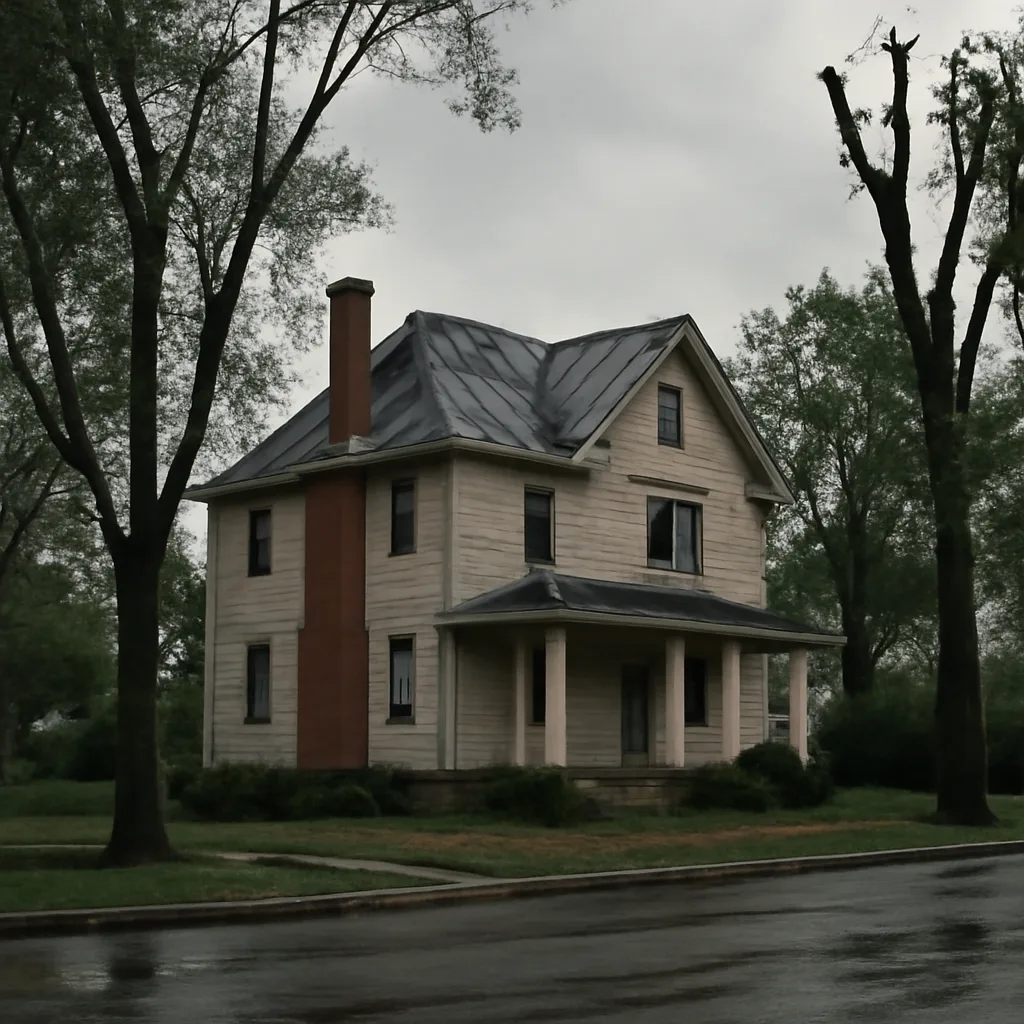
On Aug. 30 in multiple years over several decades, a single house in a residential block has been struck by lightning, according to accounts from the family that has lived there and longtime neighbors. The incidents — which caused roof and electrical damage at different times but, by all accounts, did not result in fatalities — have become part of local memory and have prompted repairs, insurance claims and discussions about lightning protection. The property in question is a wood-frame, early- to mid-20th-century house situated on a tree-lined street. Neighbors who have lived nearby for decades describe at least three separate strike events spread across generations of the same family occupying the house. Contemporary records such as building permits and insurance-repair estimates corroborate repeated post-storm work on the roof and electrical system, though formal meteorological documentation tying each specific strike to the address is limited in public archives. Residents describe similar immediate effects when strikes occurred: loud thunder or a sharp report, visible or reported flashes, damage to the chimney or roof shingles, and shorted household wiring. In some instances, the family replaced sections of the roof and repaired interior electrical fixtures; in others, they installed lightning rods or updated grounding as part of broader renovation projects. Local emergency responders and utility records show calls to the address in storm aftermaths but do not uniformly categorize those calls as confirmed lightning strikes. Insurance and repair records indicate that some of the roof and electrical work followed storm events consistent with lightning activity. Those documents show repeated claims over the years for wind and lightning-related damage, though insurance summaries sometimes group causes under broader storm-related categories. Because direct, contemporaneous lightning strike logs for individual houses are not always publicly available, the precise count and dating of strikes is partly reconstructed from repair invoices, personal recollection and local news reports. The family and neighbors say the recurrence has shaped everyday choices: cautious use of electronics during storms, routine inspections of roofing and grounding, and, for some, an element of local folklore. Neighbors give differing weight to the idea of the house being unusually targeted; some say the clustering of strikes was likely coincidental given local geography and tree cover, while others note the house’s height, chimney and nearby tall trees as factors that can increase strike likelihood. Lightning safety experts describe several relevant risk factors that align with these observations. Taller structures, isolated trees, and conductive vertical elements such as chimneys or metal gutters can increase a building’s odds of being struck. Effective mitigation typically includes properly installed lightning protection systems, well-maintained grounding, surge protection for electrical circuits and removal or trimming of nearby trees that could channel strikes to structures. Local authorities and contractors consulted in the aftermath of the most recent events advised standard post-storm steps: have licensed electricians inspect wiring, document damage for insurance, and consider adding or upgrading lightning protection. Neighbors say those practical responses have reduced their worry, though the memory of multiple strikes persists in conversation and in visible patchwork repairs on the house’s exterior. The story has also fed neighborhood lore. Longtime residents recount telling new neighbors about the house’s history as a way to explain its recent renovations and caution during storms. No party contacted for this account supplied evidence of injuries or fatalities tied to the strikes; reporting and public records reviewed for this piece show property damage and repair histories but not personal medical claims linked to the incidents. Because meteorological verification of every alleged strike at a single address can be incomplete in public records, the precise number and dates of strikes remain partly a matter of local recollection supported by repair and insurance documentation. What is clear from available records and interviews is that the house experienced multiple storm-related damages attributed by occupants and neighbors to lightning over a span of years, prompting repairs, preventive upgrades and a persistent place in local memory.