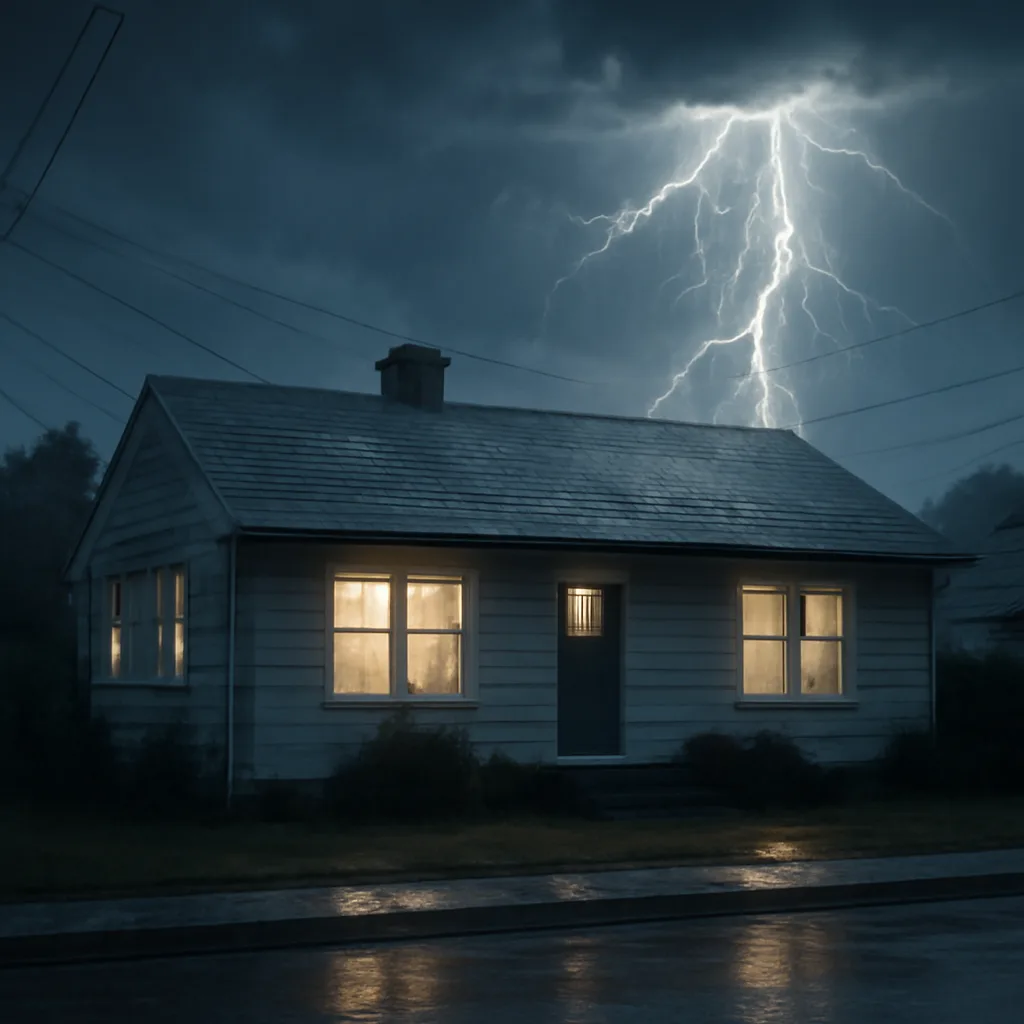
On September 22, a man survived a lightning strike that occurred while he was inside a residence. Reports indicate the strike affected the house and injured the occupant; emergency responders and medical personnel attended the scene. Lightning strikes that enter buildings are uncommon but possible when the electrical discharge follows conductive paths such as wiring, plumbing, metal framing, or when it jumps through openings. Officials typically respond to such incidents to secure the area, treat victims, and determine the strike’s entry point. Initial response priorities include assessing the occupant’s medical condition, stabilizing anyone with burns, cardiac issues, or neurological symptoms, and arranging transport to a hospital if needed. Medical effects from lightning can range from superficial and deep burns to cardiac arrhythmia, respiratory arrest, neurological impairment, and long-term cognitive or psychological symptoms; outcomes depend on strike location, current path through the body, and timeliness of treatment. Investigators—often local fire departments or utility safety teams—look for signs that lightning traveled through a building’s external or internal conductors. Common pathways include electrical service lines, cable or satellite wiring, metal water pipes, or other grounded metal elements. Damage to electrical systems, blown fuses, scorch marks, melted metal, or damaged appliances can indicate the point of entry and current path. Structural or roof damage may also be present if the bolt struck the building exterior. Occupant survival is aided by several factors. A direct hit to a person outdoors carries higher lethality; when lightning strikes a structure first, the building’s conductive systems can route most current to ground, reducing the dose that reaches individuals inside. Modern homes with proper grounding and lightning protection (such as lightning rods and bonded grounding systems) can further lower risk, though no system can eliminate it entirely. Being away from conductive contacts—such as avoiding touching plumbing, corded phones, and plugged-in electronics during storms—reduces the chance of injury inside a building. Following incidents like this, public-safety advisories commonly remind residents to unplug sensitive electronics, avoid using corded electrical devices, and stay clear of plumbing and metal fixtures during thunderstorms. Those with significant injuries may require burn care, cardiac monitoring, and neurological evaluation; some patients experience delayed or persistent symptoms that warrant follow-up care. This account summarizes standard procedures and medical considerations associated with lightning entering a structure and resulting injuries, based on established lightning safety guidance and emergency-response practices. Specific details about the individual’s condition, exact damage to the building, and the official investigation findings were not available for this summary.