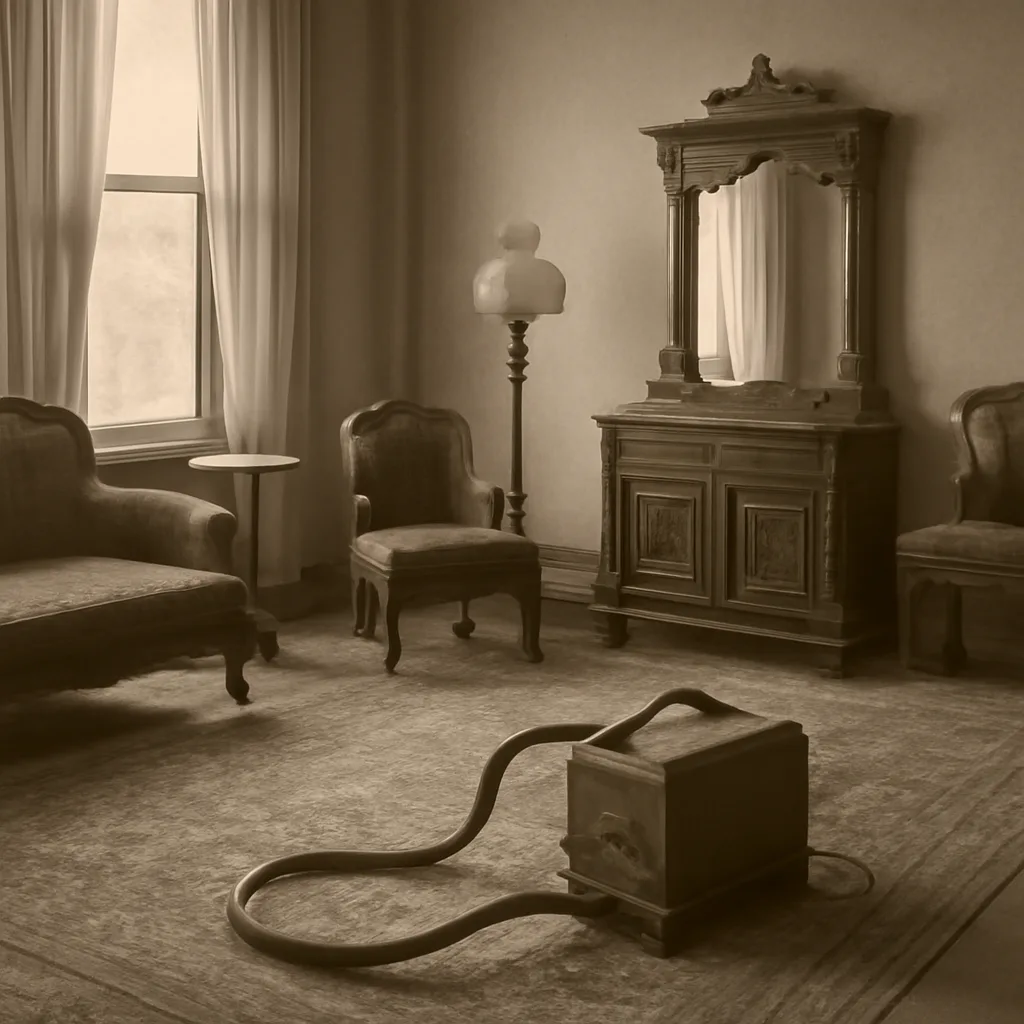
On March 30, 1908, a new household appliance entered commercial markets: the first electric vacuum cleaner sold to consumers. While manual and mechanically powered cleaning devices had existed for decades, the introduction of an electrically driven model made powered suction cleaning practical for regular domestic use and helped set the stage for widespread adoption in the 20th century. Background Prior to electrically powered machines, cleaning devices included hand-pumped and horsehair-bristle contraptions, carpet beaters, and early suction machines that were large, stationary, or petrol-driven. Inventors and entrepreneurs in the late 19th and early 20th centuries experimented with various designs to make floor cleaning less laborious. Electrification of homes and advances in electric motors created an opportunity to miniaturize and commercialize cleaning machines. The 1908 offering The device sold on March 30, 1908, was one of the earliest commercially available electric vacuum cleaners intended for household use. It combined an electric motor with a fan or fan-like impeller to create suction, channeling dust and debris into a receptacle rather than relying on sweeping or beating. Contemporary descriptions emphasize its novelty as a time- and labor-saving appliance for middle-class homes gaining access to electric power. Impact and adoption Initial adoption was limited by the uneven availability of residential electricity and the appliance’s cost relative to household incomes. Early electric vacuum cleaners were more common in urban areas and in middle- and upper-class households where electric service and the disposable income to buy new conveniences were available. Over the following decades, designers refined motors, filters, hoses, and portability; production scaled up and prices fell, enabling broader adoption. By midcentury, vacuum cleaners had become a standard household appliance in many industrialized countries. Technological and social significance The commercial sale of an electric vacuum cleaner in 1908 illustrates how electrification transformed domestic labor. Electric household appliances—vacuum cleaners among them—reconfigured expectations about cleanliness, time management, and gendered household work. While the machines did not eliminate cleaning work, they altered its pace and methods and became symbols of modern domestic convenience. Caveats and historical nuance Attributing a single inventor or single ‘‘first’’ machine can be misleading. Multiple inventors and companies in the United States and Europe developed competing designs in the late 19th and early 20th centuries, and some electrically powered cleaning devices were demonstrated earlier in experimental or commercial forms. The March 30, 1908 date denotes a clearly documented commercial sale of an electric model, but it sits within a broader, incremental process of invention, demonstration, and market introduction. Legacy From this early commercial sale, the electric vacuum cleaner evolved into a diverse market of upright, canister, and later robotic models. Improvements in motor technology, filtration (including HEPA filters much later), and manufacturing transformed the vacuum cleaner from a novel luxury into a commonplace household tool, shaping 20th-century domestic life and expectations about home hygiene.