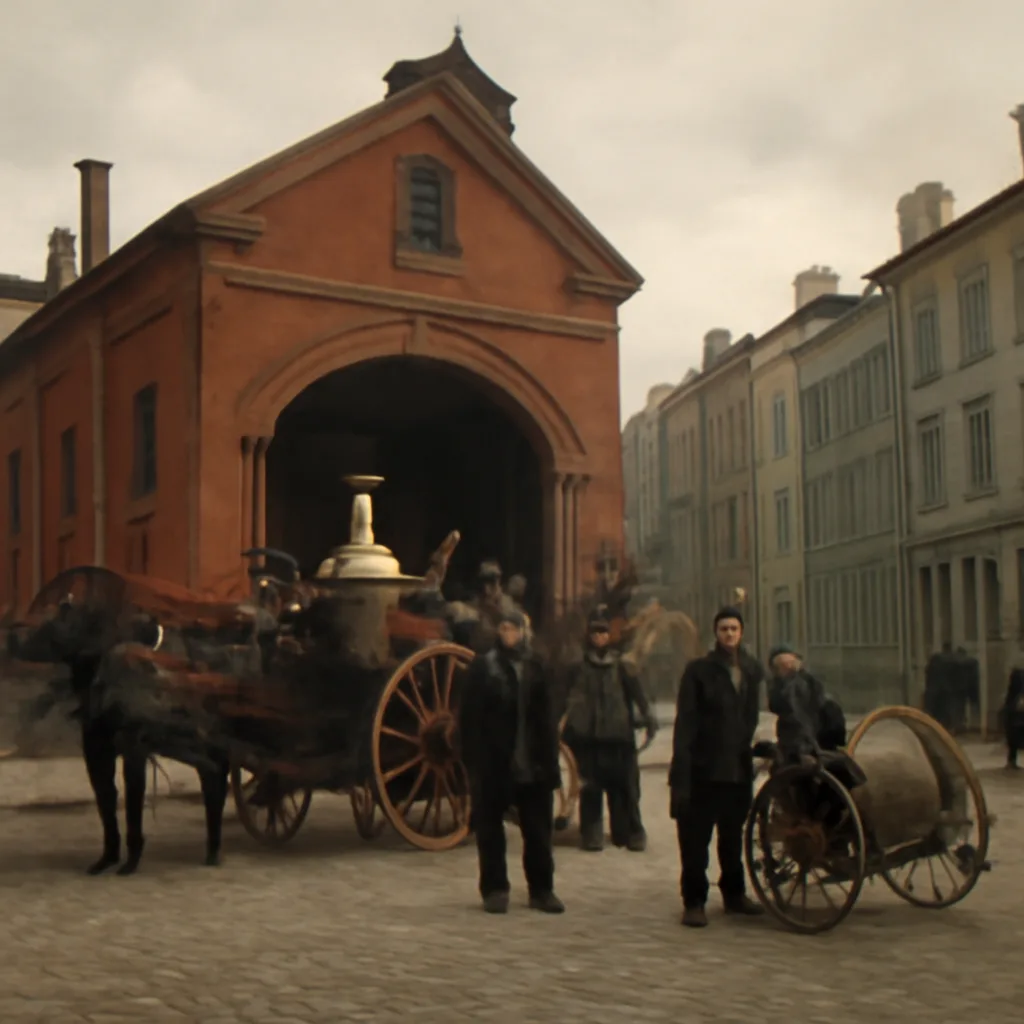
On March 30, 1853, the City of Boston enacted a reorganization that replaced its longstanding volunteer fire companies with a paid, professionally managed municipal fire department. The change followed decades of debate over the effectiveness, reliability, and political influence of volunteer brigades that had dominated firefighting in American cities since the colonial period. In the early 19th century, Boston relied on volunteer engine and hose companies drawn from neighborhoods and social networks. These companies sometimes competed with one another, and their membership and performance could be uneven. Rapid urban growth, denser wooden construction, and the rise of industrial and commercial districts increased the need for a more reliable, coordinated firefighting response. Advocates for reform argued that a paid force with centralized command, standardized equipment, regular training, and salaried personnel would respond faster and more consistently than volunteer units. Municipal reformers and city officials in Boston moved to professionalize firefighting in the early 1850s. The new department centralized authority under a chief appointed by the city, organized companies with defined jurisdictions, established regular patrols and watch routines, and began using standardized steam-powered fire engines and hose apparatus as they became available. Firefighters were hired and paid, which changed the social composition of the force and established firefighting as an occupation rather than a civic pastime or private association. Contemporary observers and later historians have often cited Boston’s 1853 reorganization as the first example in the United States of a modern municipal fire department: a paid, centrally administered service intended to provide continuous, professional protection to an entire city. Other U.S. cities moved toward paid departments in the same period—Cincinnati (1853–54), St. Louis (1857), and New York (the Metropolitan Fire Department was reorganized in the 1860s) are notable examples—and the transition from volunteer to professional forces unfolded unevenly across the country. The shift also had political and social consequences. Paid departments reduced the overt influence of volunteer companies that had been entwined with local politics and social clubs, while creating new municipal jobs and hierarchies. Professional firefighting introduced formal discipline, routines, and an emphasis on technical skill and maintenance of equipment. It also prompted innovations in fire prevention, building inspection, and urban planning in later decades. Scholarly accounts generally treat Boston’s 1853 reorganization as a key milestone in the professionalization of firefighting, though historians note that no single date or city can claim a monopoly on ‘‘first’’ status for all aspects of modern firefighting—adoption of steam engines, formal chiefs, paid ranks, and centralized administration occurred at different times in different places. The Boston reorganization remains important for its comprehensive municipal adoption of a paid, centrally managed force and for its influence on other U.S. cities seeking more reliable fire protection. Sources for this summary include contemporary municipal records and later historical studies of urban firefighting and municipal reform. Where scholars disagree on details—such as the relative influence of technology versus politics in prompting reforms—this account emphasizes the broadly accepted view that Boston’s 1853 shift was a foundational step toward the modern municipal fire department.