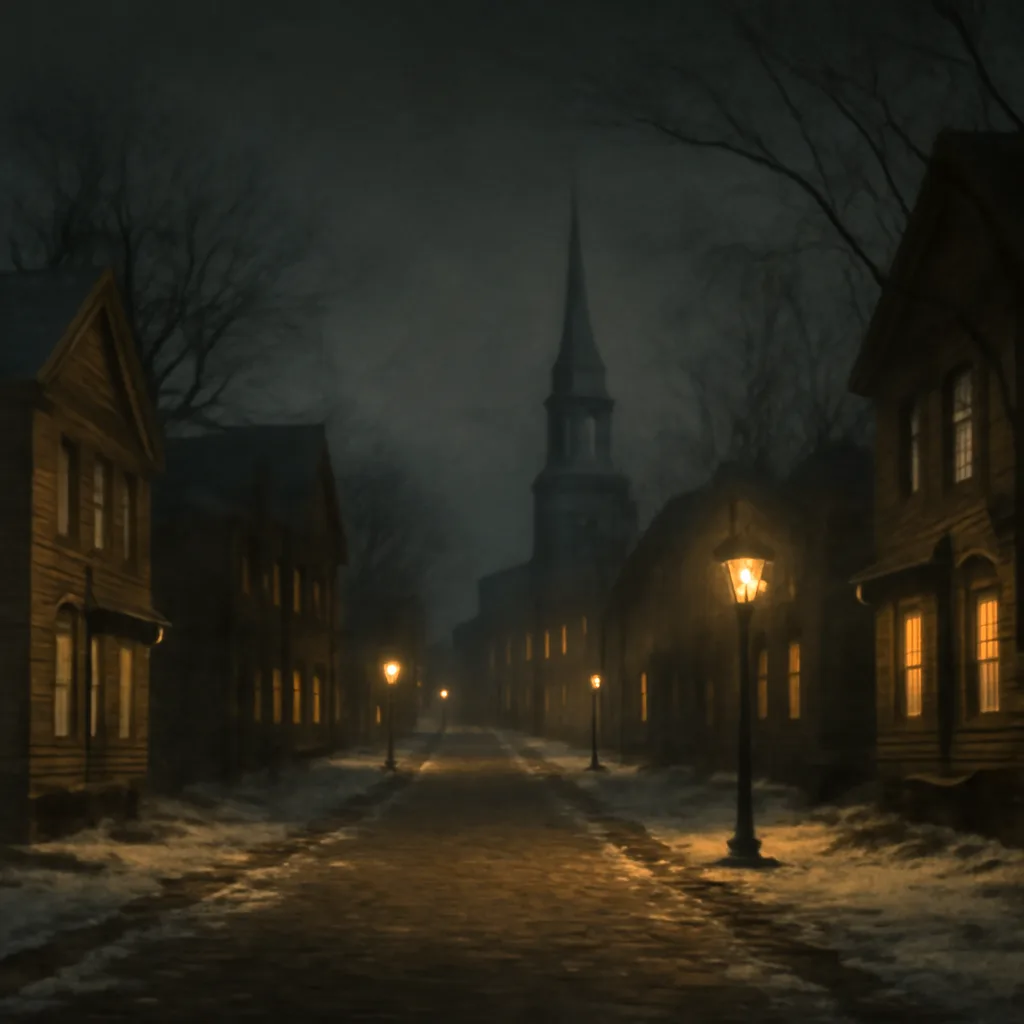
In mid-February 1903 newspapers and local accounts from a New England community recorded a cluster of cases described as "sleep paralysis": brief episodes in which individuals reported waking unable to move, often accompanied by a sense of pressure on the chest, vivid hallucinations, or intense fear. The reports generated alarm in the town and attracted commentary from physicians, ministers, and neighbors, reflecting medical understanding and cultural beliefs of the period. Context and terminology At the turn of the 20th century the term "sleep paralysis" was in use but not yet fully integrated into modern sleep medicine. Physicians recognized episodes of transient immobility and were beginning to link them to disturbances of sleep states, though explanations often mixed physiological, psychological, and moral frameworks. Lay accounts sometimes invoked supernatural explanations—nightmares, visitations, or the action of unwelcome spirits—language that commonly appeared alongside medical descriptions in local reporting. Reported symptoms and patterns Contemporary descriptions emphasized a characteristic pattern: sufferers typically awoke at night or in the early morning unable to move for a short period, from seconds to several minutes. Many reported a sensation of pressure on the chest or an inability to breathe deeply, intense fear, and in some cases hypnagogic or hypnopompic hallucinations—brief, vivid perceptual experiences at sleep/wake transitions. Reports noted that multiple members of the same household and several neighbors experienced similar episodes within weeks of one another, which fueled the perception of an "outbreak." Local response The town’s response combined medical consultation, pastoral care, and communal concern. Local physicians examined patients and offered a range of opinions: some suggested fatigue, poor sleep habits, or nervous exhaustion; others suspected a contagious moral panic or mass suggestion rather than an infectious agent. Clergy occasionally framed episodes in spiritual terms and counseled prayer or pastoral visitation. Newspapers relayed these evaluations alongside personal stories, which amplified public attention. Possible explanations then and now At the time, scientific knowledge about sleep physiology was limited. Modern understanding identifies sleep paralysis as a REM-related phenomenon: elements of REM sleep—muscle atonia and dream imagery—may intrude into wakefulness, producing temporary paralysis and vivid hallucinations. Factors such as sleep deprivation, irregular sleep schedules, stress, and certain medications can increase susceptibility. In 1903, these physiological mechanisms were not yet established, so explanations often mixed the physiological with cultural and moral interpretations. Social dynamics and reporting Clustered reports in small towns can arise from heightened attention: when one account is publicized, neighbors may reframe similar personal experiences in the same terms, producing an apparent outbreak. In tightly knit communities of the period, rapid sharing of anecdotes—via word of mouth, church gatherings, and local papers—could amplify perceptions of a localized phenomenon. The interplay of medical authority and religious interpretation influenced how the events were recorded and remembered. Limitations and sources This summary synthesizes descriptions typical of contemporary reporting and later medical analyses of historical sleep-paralysis accounts. Specific primary documents for the named town and exact case counts are not asserted here; local newspaper archives, physician notes, and church records from February 1903 would be the appropriate sources to consult for detailed verification and case-by-case reconstruction. Where details are uncertain or disputed, this account avoids attributing specific quotes or unverifiable claims to individuals. Legacy Episodes like the 1903 reports illustrate how physiological phenomena can be understood differently across medical and cultural contexts. They also show how community networks and media of the era shaped public perception of health events. From a modern medical perspective, such clusters are plausibly attributable to REM-sleep intrusion and social amplification rather than an infectious process, though contemporaries often interpreted them through moral or supernatural lenses.