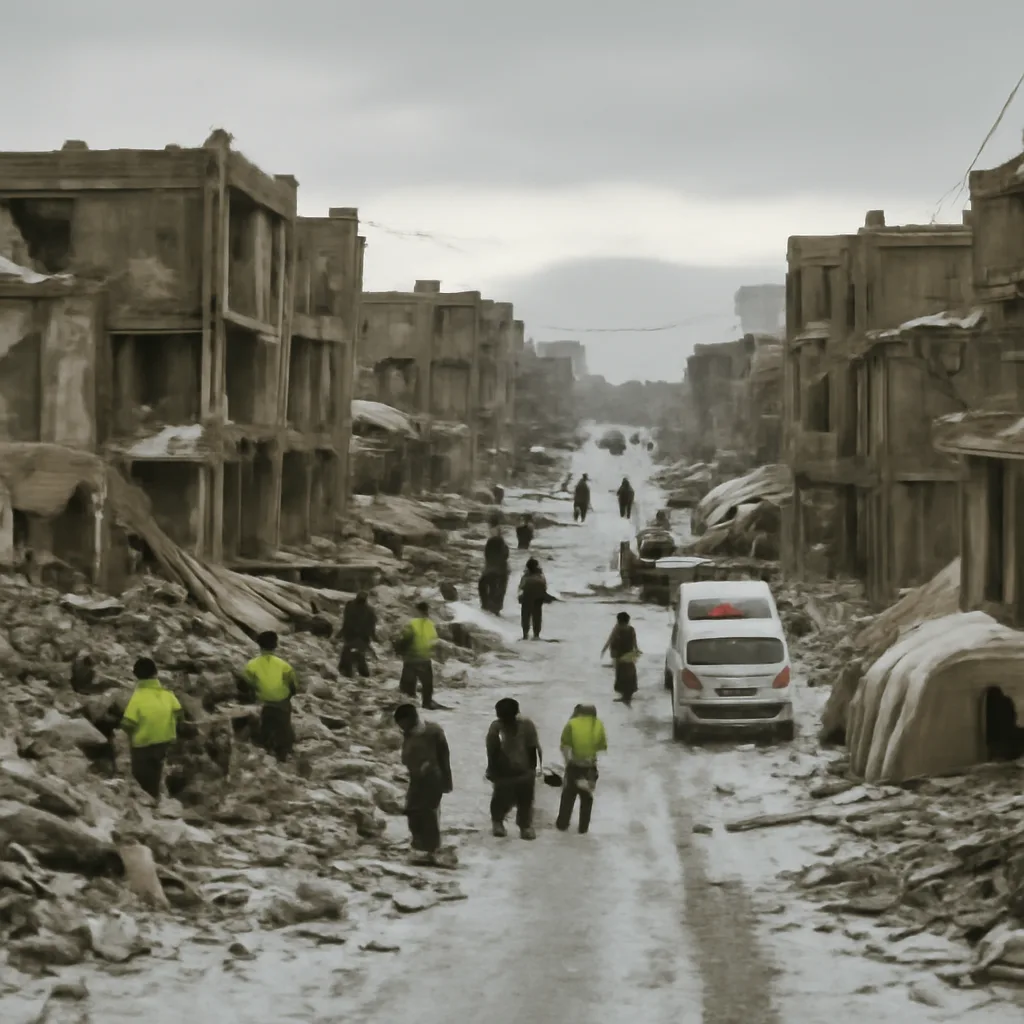
On December 26, a major earthquake struck Iran, producing extensive damage across affected provinces and leaving authorities and aid groups grappling with a catastrophic humanitarian emergency. Seismic reports and government statements indicate the event caused the collapse of thousands of buildings in urban and rural areas, with initial fatality figures reported in the tens of thousands. Those figures are provisional and have varied across different sources as rescue teams have continued searching under rubble and compiling casualty lists. The quake occurred in the winter, exacerbating risks to survivors as damaged infrastructure disrupted power, water and heating. Local hospitals were overwhelmed by the number of injured; field hospitals and emergency relief convoys were mobilized where possible. Road damage and winter weather have complicated the delivery of aid and the movements of heavy search-and-rescue equipment, leaving some communities isolated in the immediate aftermath. Iran sits on several active faults and has a history of deadly earthquakes; recent decades have seen multiple events that caused large-scale loss of life and property. Building standards vary across regions, and older masonry structures and poorly reinforced buildings are especially vulnerable to strong shaking. Observers and officials have noted that high casualty counts in past quakes have often been linked to structural collapses of such buildings. International and domestic response operations have focused on lifesaving search-and-rescue, emergency medical care, temporary shelter, and restoring basic services. Humanitarian agencies typically prioritize rapid needs assessments to determine where to target food, blankets, medicines and winterized shelter, and to identify survivors trapped under rubble. Coordination between national authorities, military units and civilian relief organizations is central to accelerating recovery efforts and ensuring aid reaches isolated communities. Accurate casualty and damage tallies often change significantly in the days and weeks after a major earthquake. Initial death and injury counts can rise as rescue teams access previously unreachable areas, and as officials reconcile overlapping reports. Displacement is also a major concern: families rendered homeless by collapsed houses face immediate risks from exposure and lack of services, and many will require longer-term housing solutions and reconstruction assistance. Beyond immediate humanitarian needs, major earthquakes leave long-term challenges: rebuilding housing and infrastructure to higher seismic standards, restoring livelihoods, and addressing psychological trauma among survivors. Investigations into construction failures can influence future building codes and enforcement. Historical patterns in the region show that recovery timelines vary widely depending on the scale of destruction, the availability of resources, and the effectiveness of coordination among governmental and nongovernmental actors. Reporting in the immediate aftermath of large disasters can be fragmented. Official figures may lag behind ground reality, and independent verification can be difficult while rescue operations are ongoing. For readers seeking reliable updates, official statements from Iran’s emergency agencies and international humanitarian organizations providing on-the-ground assessments are the most authoritative sources; these numbers are commonly revised as assessments continue. This account summarizes the humanitarian and infrastructural impacts typical of a major earthquake hitting populated areas in Iran on December 26. Specific figures for fatalities, injuries, and the extent of damage remain provisional pending consolidated reports from authorities and international assessment teams.