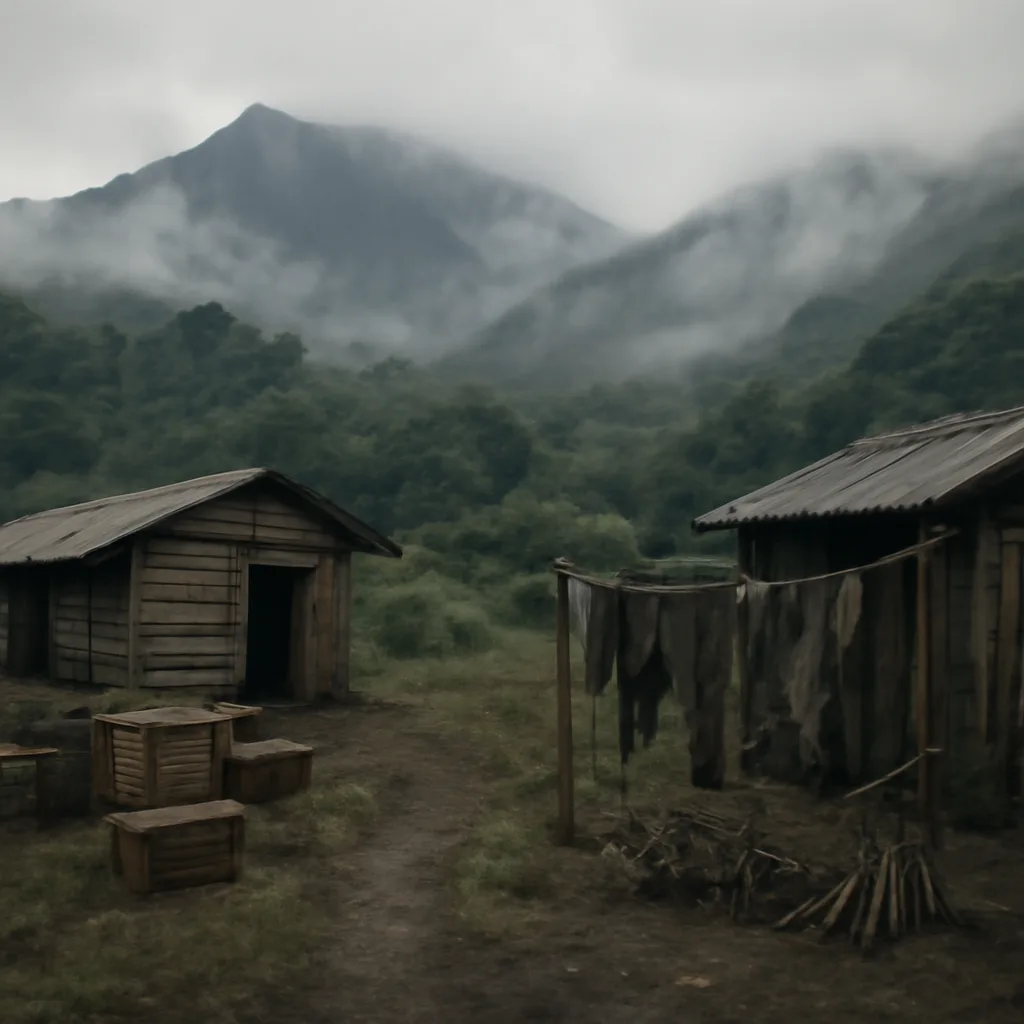
Murder at Karisoke: The Unresolved Death of Dian Fossey
Dian Fossey, the American primatologist who lived among mountain gorillas in Rwanda, was found killed at her Karisoke research camp on December 27; her death remains officially unsolved amid disputed theories involving poachers, local conflict, and possible personal enemies.
Dian Fossey (1932–1985) was an American primatologist whose long-term fieldwork with mountain gorillas in Rwanda made her a prominent and controversial figure in wildlife conservation. In 1967 she established the Karisoke Research Center in the Virunga mountains and spent nearly two decades studying and defending the gorillas against poaching and habitat loss. Her work produced scientific observations that advanced understanding of gorilla behavior, and her forceful anti-poaching campaign—along with the publicity surrounding her books and National Geographic coverage—brought international attention to the species.
On the morning of December 27, 1985, Fossey’s body was found in her cabin at Karisoke. She had been bludgeoned to death. The discovery came amid escalating tensions in the region: a rise in poaching, increasing human encroachment, and disputes between conservationists and some local residents and hunters. Fossey’s outspoken and often confrontational methods, including destroying poachers’ traps and advocating direct action against those she believed threatened the gorillas, made her both a celebrated protector and a polarizing figure.
An investigation into her murder was conducted by Rwandan authorities with involvement from international investigators. A man named Emmanuel Rwandakazi, who had previously been employed as a night guard at Karisoke and who was later accused of involvement in poaching, was arrested in 1986, charged, convicted, and sentenced to life in prison for Fossey’s murder. Supporters of Fossey’s work accepted the conviction as justice; critics and some independent observers have questioned aspects of the investigation and trial, citing limited forensic resources, procedural uncertainties, and conflicting testimony. Rwandakazi denied the charges. In 1994 he escaped from prison amid the chaos of the Rwandan genocide and his fate thereafter is unclear.
Scholarship and journalism since 1985 have proposed multiple alternative theories about who was responsible. Some accounts emphasize poachers or organized traffickers whose livelihoods clashed with conservation efforts; others point to individuals who felt personally aggrieved by Fossey’s methods. A few have suggested the possibility of politically motivated assassination or involvement by people seeking to intimidate conservationists, though definitive evidence for such claims has not been established. No subsequent conviction has produced a consensus forensic reconstruction accepted by all parties.
Fossey’s murder had immediate and lasting impacts. It underscored the dangers faced by field researchers and rangers in conflict-prone environments, prompted calls for improved security and legal protections for conservation work, and intensified public interest in mountain gorilla conservation. Her scientific legacy—detailed behavioral records, long-term population monitoring, and a high-profile campaign to save an endangered species—remains influential. At the same time, historians and conservationists continue to debate the ethics and effectiveness of some of her tactics.
Because key details of the case remain disputed or unverified, accounts of motives and perpetrators vary. The official conviction of Rwandakazi is part of the record, but uncertainties in the investigation and later developments leave Fossey’s killing, in many respects, unresolved in the public mind. The murder of Dian Fossey is therefore remembered both as a tragic end to a singular scientific life and as a reminder of the complex social and political contexts that shape conservation work in regions where human needs and wildlife protection collide.