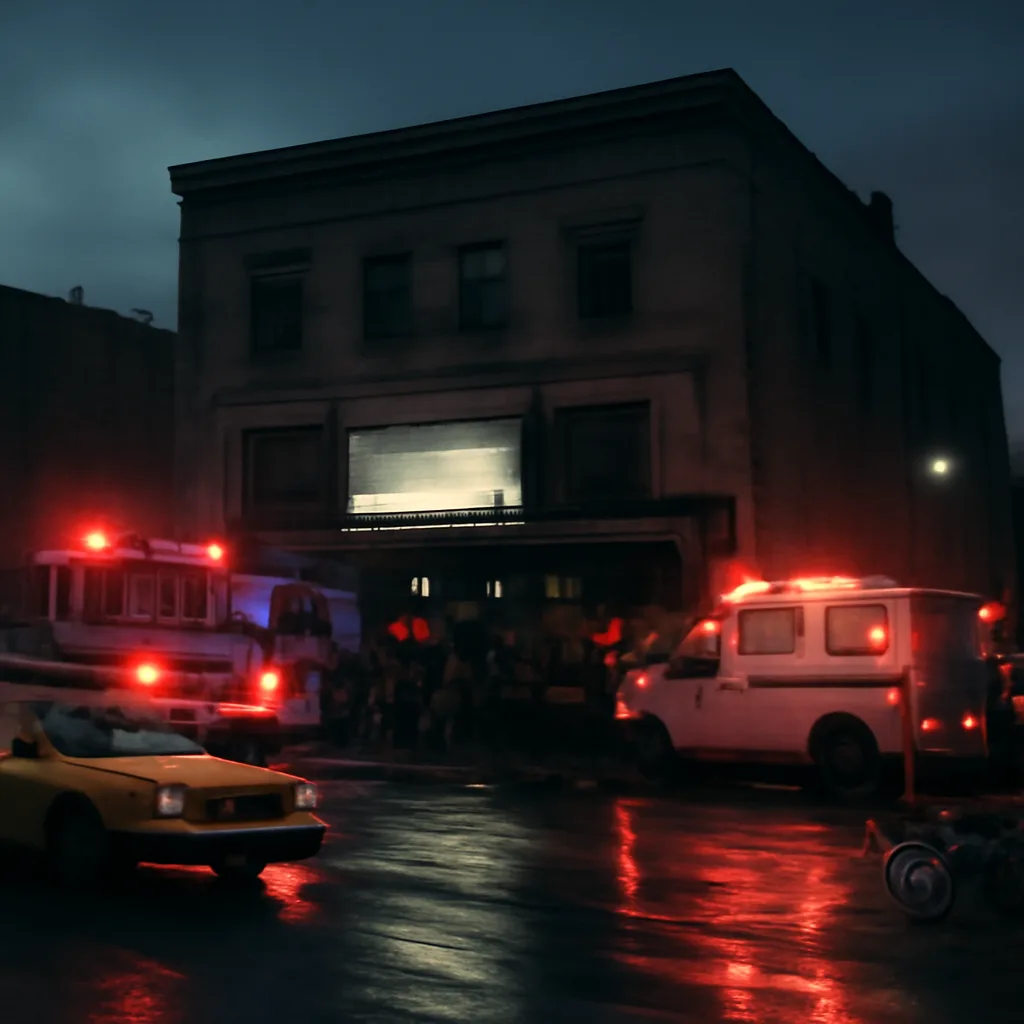
Nightclub Blaze in Argentina on December 30 Kills Dozens
On December 30, a fire broke out in an Argentine nightclub, resulting in dozens of deaths and numerous injuries. Investigations and reporting from the time attributed the high toll to rapid fire spread, crowding, and limited emergency exits.
On December 30, an evening fire at a nightclub in Argentina killed dozens of people and injured many others. The blaze occurred during crowded hours, and contemporaneous accounts and later reporting pointed to a rapid spread of flames and smoke combined with insufficient means of egress as primary factors that turned the incident into a mass-casualty event.
Location and context
The fire took place in a nightclub in Argentina on December 30. Nightclubs can present particular fire risks—dense occupancy, flammable interior finishes, and complex layouts—that may impede evacuation. At the time, local authorities, emergency responders, and journalists focused on how the venue’s safety measures, building code compliance, and evacuation routes affected the outcome.
Casualties and injuries
Reports from the period consistently described a high number of fatalities and injuries. Many victims died from smoke inhalation or were unable to exit the building before the fire spread. Medical services and hospitals in the area received multiple burn and smoke-inhalation patients, and emergency responders worked through the night to treat survivors and recover victims.
Immediate causes and contributing factors
Contemporary investigations attributed the rapid progression of the fire to a combination of factors often cited in nightclub fires: combustible interior materials and decor, a crowded dance floor, and limited or obstructed emergency exits. Witnesses and emergency personnel described chaotic evacuations and difficulty accessing interior spaces to rescue trapped patrons. In some cases, authorities later examined whether fireworks, indoor pyrotechnics, electrical faults, or discarded smoking materials could have ignited combustible materials; however, specific ignition sources reported at the time varied by account and were subject to official investigation.
Emergency response and legal follow-up
Local fire brigades and medical teams were dispatched immediately, and hospitals activated emergency protocols to treat burn and respiratory patients. In the aftermath, public attention turned to whether the venue complied with safety regulations and whether owners, managers, or inspectors bore legal responsibility. Investigations and, in some instances, legal proceedings examined licensing, capacity limits, the condition and availability of emergency exits, and prior inspections.
Public reaction and safety changes
The tragedy prompted calls for stricter enforcement of fire and occupancy codes, better emergency planning at entertainment venues, and public awareness of evacuation procedures. Municipal and regional authorities in Argentina and elsewhere have periodically used such incidents to review safety oversight and to promote measures intended to prevent similar losses, including clearer exit signage, limits on indoor pyrotechnics, and requirements for unobstructed egress routes.
Uncertainties and reporting variations
Contemporary accounts and subsequent reports sometimes differed on specific details—such as the exact number of victims, the initial ignition source, and the timing of emergency responses—pending official investigations and legal outcomes. Where official inquiries were completed, their findings provided the most reliable basis for conclusions; in some cases, aspects remained disputed or subject to ongoing legal processes.
Legacy
As with other nightclub fires worldwide, this incident underscored vulnerabilities in crowded entertainment spaces and reinforced the importance of strict fire-safety standards, vigilant inspection regimes, and venue staff training in evacuation procedures. The human toll remained central in public memory and in calls for measures to reduce the likelihood of similar tragedies in the future.