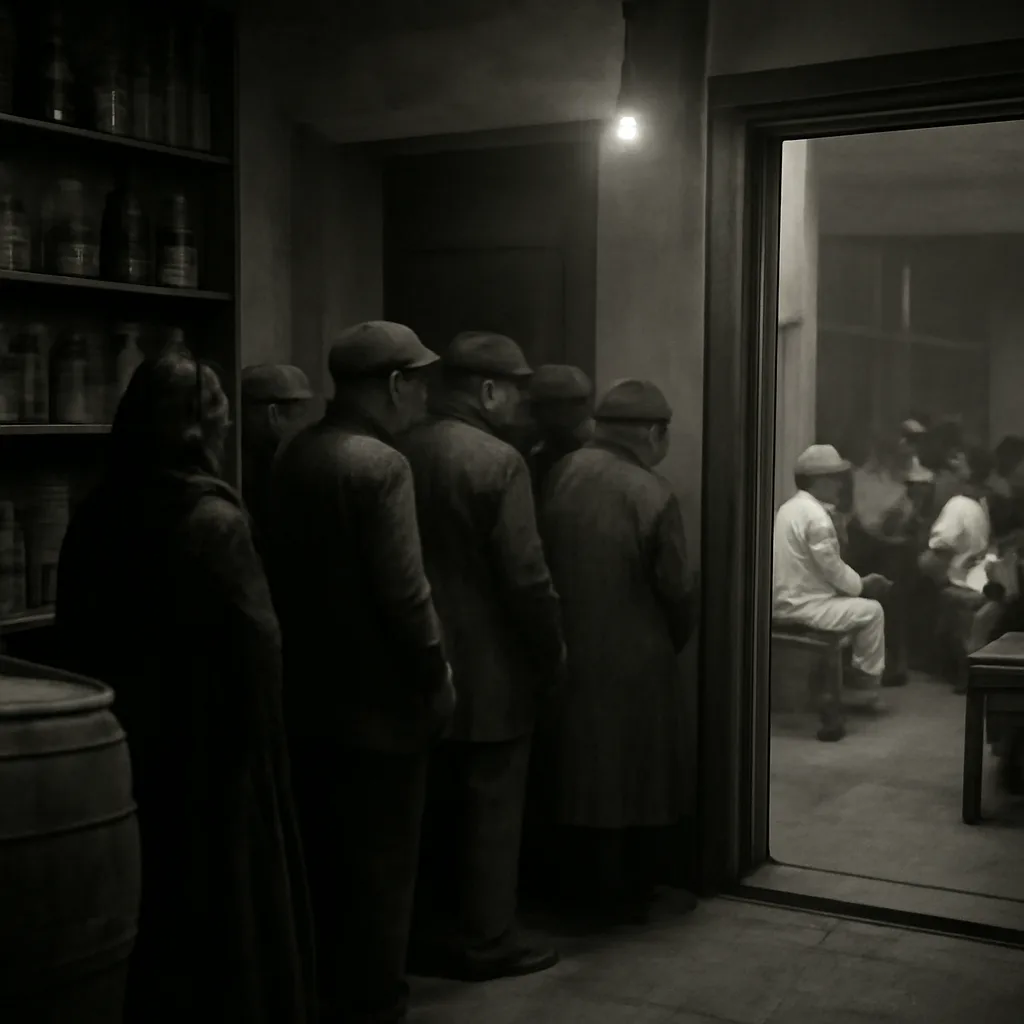
On 1 February 1927 authorities in Spain began documenting a sharp rise in cases of severe poisoning associated with consumption of adulterated alcoholic beverages. The outbreak, later linked to industrial methylated spirits and other denatured alcohols diverted into the beverage market and improperly treated, is among the earliest well-recorded incidents of mass poisoning from contaminated alcohol. Context In the early 20th century, legal and illicit markets for alcohol frequently overlapped. Industrial alcohols—used for fuel, cleaning, and manufacturing—were commonly denatured (treated with chemicals to render them undrinkable) to avoid beverage taxes and to prevent diversion to consumption. However, denaturing practices and enforcement varied. In some places, unscrupulous vendors or intermediaries removed or disguised denaturants, or sold industrial alcohol mixed into spirits, creating grave risks for consumers. The 1927 outbreak Contemporary medical and governmental reports from Spain documented clusters of patients arriving with vision disturbances, abdominal pain, vomiting, and progressive neurological decline—symptoms consistent with toxic alcohol exposure, particularly methanol. Clinics and hospitals noted rapid-onset blindness in many patients. Investigations traced many cases to spirits purchased from informal channels where industrial methylated alcohol had been blended with drinkable liquors or insufficiently denatured industrial alcohol was sold as potable. Medical and public response Physicians of the period recognized the pattern of symptoms and, where available, used supportive measures such as gastric decontamination and symptomatic care. Specific antidotes and treatments for methanol poisoning (notably fomepizole) were not available until decades later; ethanol was used in some instances as a competitive inhibitor of methanol metabolism, but access and standardized protocols were limited. The outbreak prompted public health authorities to tighten controls on industrial alcohol distribution, denaturing standards, and the policing of illicit alcohol sales. Impact and legacy The 1927 incident contributed to growing awareness—both among clinicians and regulators—of the dangers posed by contaminated or adulterated alcohol. Similar mass poisonings occurred in other countries in later decades, often during periods of prohibition, wartime shortages, or economic hardship, reinforcing the need for clearer regulation of industrial alcohol and better public education about the risks of unregulated spirits. Historians and public health researchers cite early episodes like the 1927 outbreak when tracing the evolution of alcohol regulation and toxicology practices. Uncertainties and sources Contemporary records vary in specificity: exact counts of cases and deaths differ between local health reports and press accounts, and diagnostic capabilities of the era could not always biochemically confirm the precise contaminant. However, clinical descriptions, epidemiological patterns, and subsequent investigative reports strongly indicate methanol-contaminated or improperly denatured industrial alcohol as the principal cause. This summary is based on historical public health literature and archival reports from Spain and comparative analyses of early 20th-century mass alcohol poisonings.