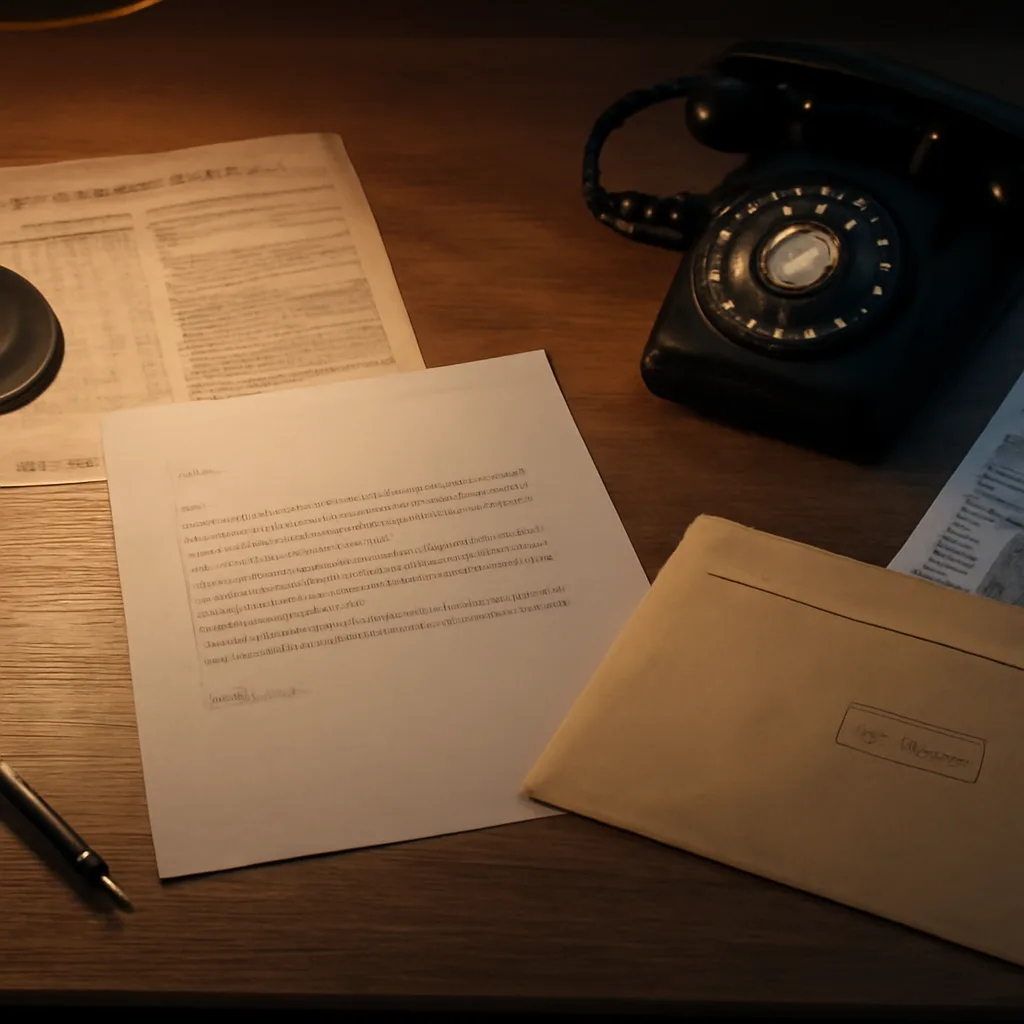
On February 1, 1974, law enforcement received what is widely regarded as the last confirmed letter from the Zodiac Killer, the unidentified figure who terrorized Northern California from the late 1960s into the early 1970s. The Zodiac’s campaign combined violent crime with calculated communications to newspapers and police: letters, postcards and cryptograms that both claimed responsibility for killings and mocked investigators and the public. The February 1 letter continued that pattern of provocative contact, arriving after several years of sporadic claims and unverified messages. Historical context The Zodiac first came to public attention in 1968–68 with the attacks near Vallejo and subsequent murders and injuries in Benicia, Vallejo, and Lake Berryessa, followed by the murder of cab driver Paul Stine in San Francisco. Between 1969 and 1974 the suspect sent a series of letters to the press and police, some including ciphers. Those communications helped shape the Zodiac’s notoriety and complicated the investigation: while some letters were authenticated by law enforcement and widely accepted as genuine, others were later judged likely hoaxes or were of uncertain provenance. The February 1, 1974 letter The message received on February 1, 1974, is commonly described in public records and secondary sources as a typed letter that referenced previous correspondence and the killer’s history of taunting authorities. Compared with earlier handwritten and illustrated letters, this typed format was part of a small number of later communications attributed to the Zodiac. Investigators treated the content and delivery as consistent enough with prior authenticated letters to consider it the last confirmed contact from the perpetrator. The letter arrived amid dwindling evidence and growing uncertainty: by 1974 the murders attributed to Zodiac had declined, and no subsequent attacks were definitively linked to him with the same degree of certainty. Investigative aftermath and enduring questions Despite extensive investigation, multiple suspects proposed over decades, and periodic public and private reexaminations of evidence, the Zodiac Killer’s definitive identity remains unproven. The February 1 letter did not yield a breakthrough. Advances in forensic methods, including DNA analysis applied to some Zodiac-related items, have produced leads but not a universally accepted resolution. Scholars and journalists note that authentication of later letters is often disputed; the February 1 communication is treated by many authorities as the final confirmed message, while other claimed letters after that date are considered dubious by some researchers. Legacy The Zodiac case stands as a persistent unsolved criminal mystery in American history, notable both for its violence and for the role of mass media and coded messages in shaping public fear. The February 1, 1974 letter is a notable marker in the timeline: it signifies the end of a documented sequence of confirmed communications even as the broader questions about motive, identity and complete victim accounting remain open. Researchers, cold-case detectives and members of the public continue to study the case using historical records and evolving forensic techniques, but the Zodiac’s final answer, if there is one, has not been publicly confirmed. Sources and caution This summary is based on public records, historical reporting and law enforcement statements available in archived news coverage and case summaries. Where matters are disputed—such as authentication of specific later letters or definitive identification of the killer—those disputes are noted in the historical record and in scholarly accounts.