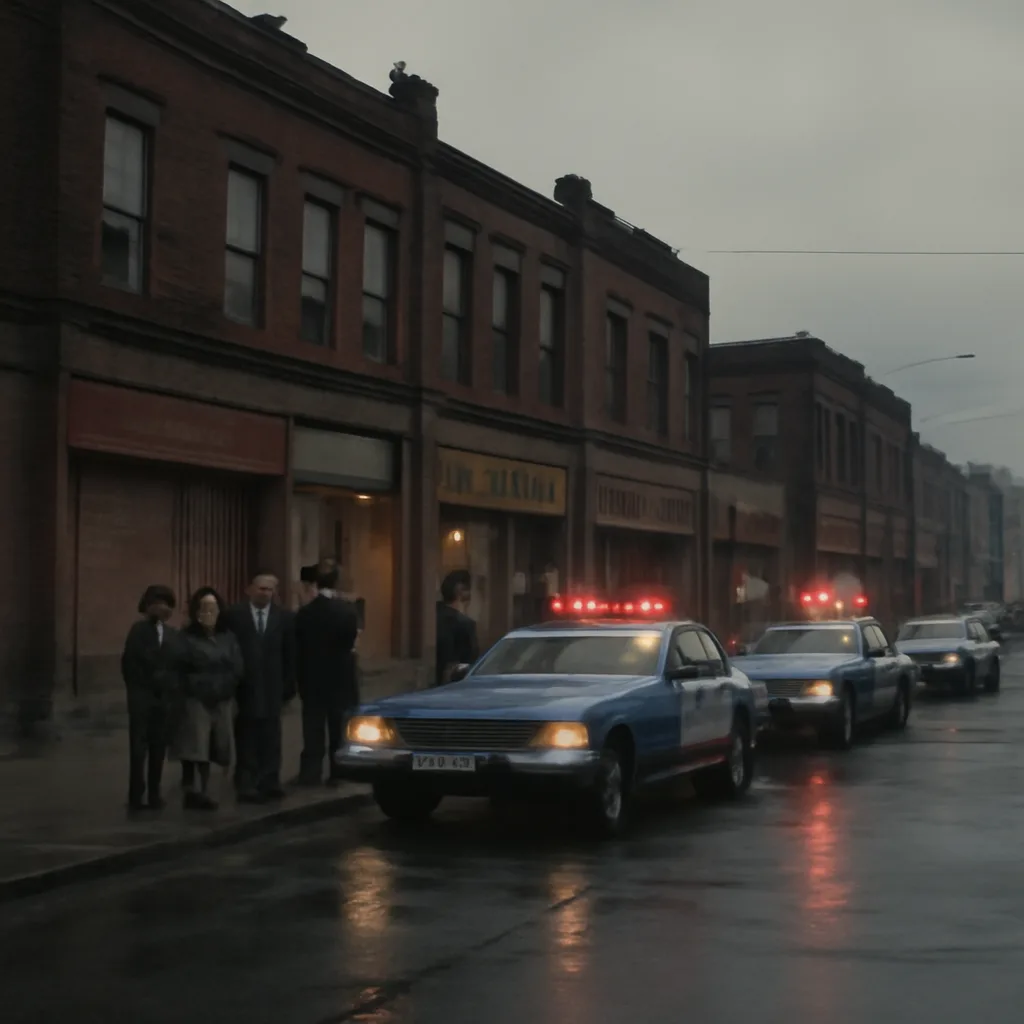
In late February and early March 1978 Cleveland saw a cluster of sniper shootings, threats, and hoax incidents that alarmed residents and police and drew attention from national media. Though not as sustained or lethal as later urban sniper episodes, the pattern—initial violent attacks followed by multiple imitative reports and hoaxes—has been cited by scholars and law-enforcement historians as one of the earlier documented instances of a copycat crime wave driven by publicity and fear. The string of incidents began after a series of sniper-style shootings in the Cleveland area in late 1977 and early 1978. Individual shootings targeted pedestrians and motorists in several neighborhoods; some victims were wounded, and at least one fatality was reported in the broader period surrounding these events. The unusual and random nature of the attacks produced intense media coverage and public anxiety. Within weeks, police departments received numerous calls claiming shooters were active; several of those reports proved to be hoaxes or misidentifications. Investigators also uncovered at least one case in which an assailant referenced earlier shootings when committing a copycat act. Police response combined targeted patrols in affected neighborhoods, stakeouts, and public warnings advising residents to avoid isolated areas and to report suspicious activity. Local newspapers and television repeatedly covered each new development, broadcasting details about the methods and locations of attacks. That publicity, authorities later concluded, contributed to a wave of imitation: some callers falsely claimed to be the shooter; others staged incidents to mimic aspects of the original crimes. Several suspects arrested in the weeks after the first shootings were charged not only with assaults but also with making terroristic threats or creating false reports. Historians and criminologists studying media effects and contagion in crime point to the Cleveland episode as an early, illustrative case of how detailed reporting on unusual violent acts can precipitate further incidents of imitation. Contemporary scholarly work on copycat crimes emphasizes certain risk factors present in 1978 Cleveland: high media attention, ambiguous perpetrator profiles that invite speculation, and social anxiety in economically and demographically stressed urban neighborhoods. While the Cleveland incidents did not spawn a single, long-lived serial offender, they exemplified how an initial set of violent acts can trigger subsequent hoaxes and imitative attacks, complicating law-enforcement efforts and amplifying public fear. Primary-source accounts from local newspapers and police bulletins at the time document the sequence of shootings, the surge in tip calls, and the mix of confirmed and false reports that taxed investigative resources. Subsequent analyses in policing journals and books on criminal contagion have referenced the 1978 Cleveland events when tracing the historical development of copycat phenomena in the United States. Because recordkeeping and media ecosystems in 1978 differed from later decades, some details—such as the exact number of imitation incidents or the motives of every arrested individual—remain partially uncertain or contested in secondary summaries. What is clear across contemporary reports is the temporal clustering of original shootings and subsequent imitative and hoax incidents, and law-enforcement officials’ explicit concern that publicity was encouraging further acts. The Cleveland case underscores broader lessons about reporting and policing rare but frightening crimes: that highly publicized, atypical violence can produce secondary incidents motivated by notoriety or desire to sow fear; and that distinguishing genuine threats from hoaxes becomes an urgent operational priority. It also illustrates the historical continuity of the copycat effect long before the internet era amplified rapid national and transnational contagion of violent tactics. For historians of crime and public safety, the 1978 Cleveland sniper incidents are significant as an early documented instance in which media attention and public panic converged to generate additional imitative criminal behavior.