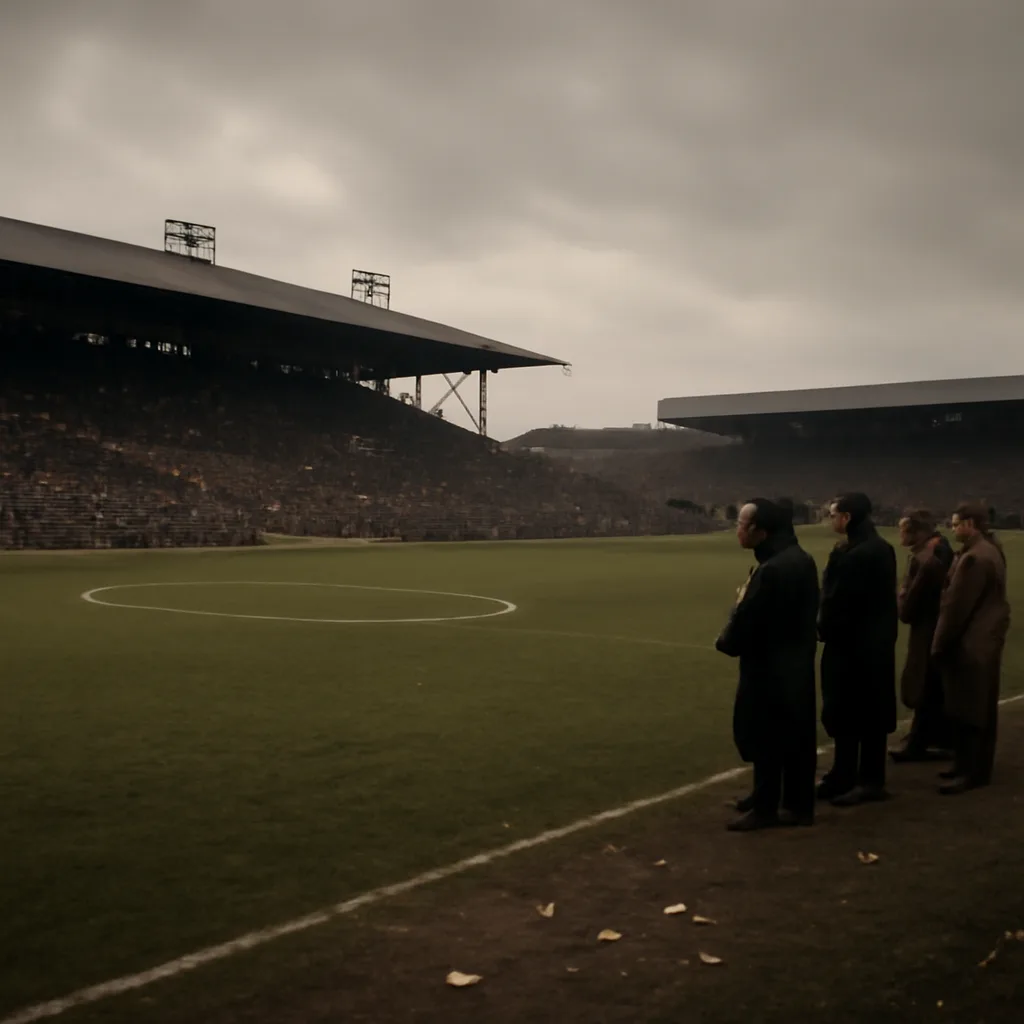
On October 6, 1967, a contested football match ended in chaos after the referee exited the venue at halftime, an event that quickly escalated into a violent confrontation between players and spectators. Contemporary accounts and later reports indicate the referee’s sudden departure created a power vacuum and a dispute over whether the match should continue, be abandoned, or be decided by club officials. Those disagreements, combined with rising tensions among supporters, triggered a riot that forced authorities to restore order. Background The match took place in an era when crowd control and match security were less standardized than today. Stadiums often lacked the rigid segregation and policing protocols that later became common. Local rivalries, competitive stakes and partisan crowds could compound small incidents into larger disturbances. In this case, the referee’s unexpected withdrawal became the focal point for existing grievances among fans and players. The incident Eyewitness reports at the time describe the referee leaving the pitch at or before halftime; reasons given in different accounts vary and include claims of threats, being confronted by club officials, or personal distress. No single definitive explanation is universally corroborated in surviving contemporary sources, and historians note the circumstances remain disputed. With no neutral official present to enforce the laws of the game or to communicate a clear decision, captains and club representatives argued about whether the match should resume. As arguments intensified on the touchline, portions of the crowd grew agitated. Without a clearly appointed authority to adjudicate events, spectators interpreted the confusion as bias or incompetence. Objects were thrown onto the pitch, clashes occurred between rival supporters, and at least some participants engaged physically with players and club staff. Local police were called in to disperse crowds and re-establish control; press reports from the period describe arrests and injuries but differ on exact figures. Aftermath and significance In the immediate aftermath, match officials and league authorities investigated the episode. Sanctions or administrative decisions varied by case and jurisdiction in the 1960s; records for this specific match reflect debates about responsibility for safety and the proper protocols for abandoning a game. For historians of sport, the incident illustrates how fragile match governance could be when a central official unexpectedly removed themselves from play. The riot also contributed to broader discussions—already underway in many countries—about improving stadium safety, enhancing referee protection, and formalizing procedures for match abandonment. Over subsequent decades, football associations and policing agencies introduced clearer lines of authority, stewarding systems, and emergency protocols aimed at preventing similar escalations. Uncertainties and sources Key details about why the referee left remain contested in surviving reports. Contemporary newspaper accounts, club statements, and police summaries offer differing emphases but none provide a fully conclusive, universally accepted narrative for the official’s motives. Where accounts conflict, this summary indicates the dispute rather than inventing a single cause. Legacy While the match is often recalled for the dramatic image of a game unraveling at halftime, its longer-term legacy lies in contributing to evolving standards for match-day security and referee protection. The episode is one of several mid-20th-century incidents that prompted administrators to clarify emergency procedures and to treat the safety of match officials as a matter of organizational responsibility rather than individual risk.