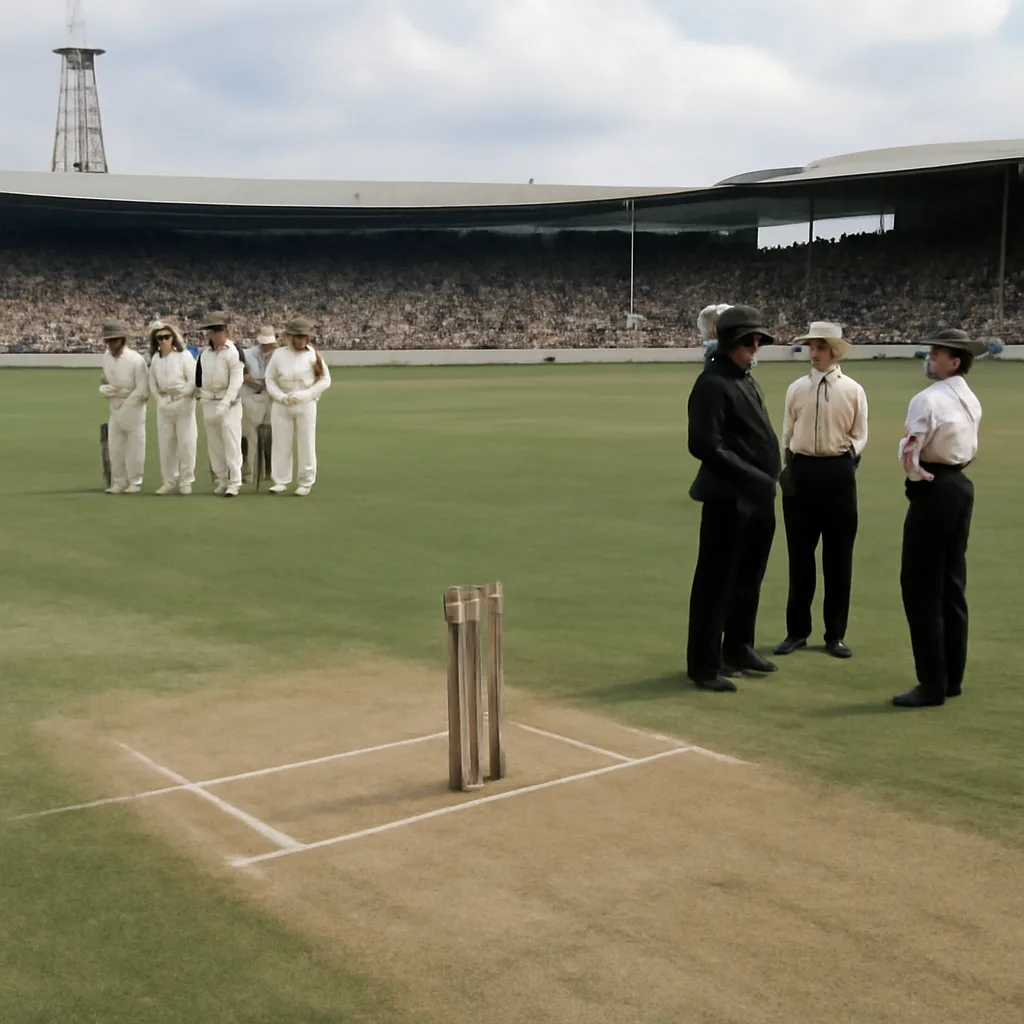
A cricket match was interrupted when an umpire was arrested on the field on allegations of accepting bribes. Local law enforcement officers removed the official from the ground during play, and the incident prompted an immediate halt while match organisers and police clarified the situation. Organisers later announced the match would not resume until further notice. Police statements provided to media said the arrest related to suspected corruption in sport, alleging the umpire had accepted payments in exchange for influencing match decisions. Authorities indicated the matter was part of an ongoing inquiry; they did not provide a full timeline of alleged offences or disclose evidence publicly at the time of the arrest. No formal conviction has been reported and the accused’s legal status — including charges, bail or court dates — remains subject to confirmation by courts and prosecutors. Cricket governing bodies typically operate under anti-corruption codes that require immediate reporting of suspected bribery and co-operation with police. In response to the on-field arrest, the relevant cricket authority issued a brief statement saying it would assist investigators and that the umpire had been stood down pending the outcome of inquiries. The authority also said it would review match officiating and anti-corruption procedures to determine any further steps, including potential suspension or referral to disciplinary panels. Match participants and organizers faced practical and reputational consequences. Players and coaching staff were temporarily detained off the field for questioning in some reports, while broadcasters and ticket holders experienced uncertainty and delays. Organisers emphasised the priority of ensuring the safety of players, officials and spectators and said ticketing and broadcast partners would be informed about any cancellations or rescheduling. Historical and legal context matters: sport-wide anti-corruption efforts have grown in recent decades after several high-profile cricket corruption cases. Investigations of alleged bribery can involve multiple agencies, including dedicated sports integrity units, national police forces and prosecuting authorities, and may examine communications, financial records and third-party intermediaries. Because prosecutions require admissible evidence and due process, an arrest alone does not prove guilt; disciplinary and criminal processes proceed on different standards of proof. Observers caution against speculation while authorities complete their inquiries. Independent monitoring groups and legal analysts noted that premature conclusions can harm investigations and individuals’ rights. Media reports in the immediate aftermath varied in detail and attribution, and officials encouraged reliance on formal statements from police and the cricket authority for verified information. At the time of writing, key unanswered questions include the scope of the alleged bribery, whether other officials or players are implicated, the source and nature of alleged payments, and the timeline for legal proceedings. The cricket authority’s review and any subsequent legal filings will be the primary sources for confirmed developments. News outlets and stakeholders have been asked to await official updates before drawing definitive conclusions. This episode highlights tensions between maintaining the integrity of sport and ensuring fair legal processes. Governing bodies and law enforcement face the dual tasks of safeguarding matches from corruption while protecting due process for accused individuals. Further information is expected as investigators and cricket officials release details and as any criminal or disciplinary proceedings progress.