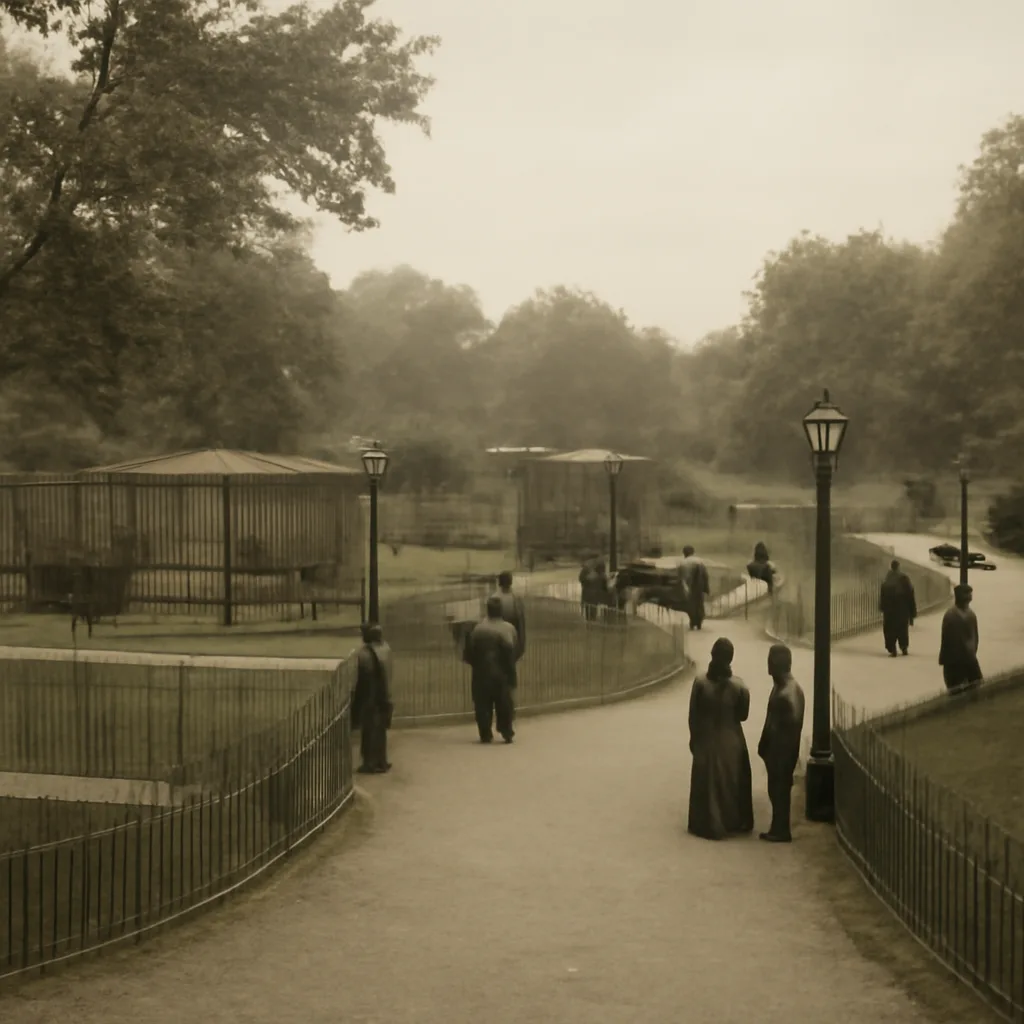
New York City’s earliest municipal zoo efforts culminated in the late 19th century as urban leaders, philanthropists, and scientific societies sought spaces to display animals for public education and entertainment. While the well-known Bronx Zoo opened in 1899 as the New York Zoological Park (officially opening to the public on November 8, 1899), municipal and privately operated animal exhibits existed earlier in the city; some temporary menageries and smaller public collections were accessible to New Yorkers in the 19th century. The New York Zoological Society, founded in 1895 by figures including Madison Grant and Henry Fairfield Osborn, acquired land in the Bronx with support from financier and philanthropist William Rockefeller and others. The site at Bronx Park was developed into what became one of the world’s largest urban zoos. The Bronx Zoo’s formal public opening date is documented as November 8, 1899, after several years of planning, fundraising, and construction of initial enclosures and facilities. References to animal displays and “public zoos” earlier in the 1800s include traveling menageries, private collections that opened occasionally to the public, and small municipal animal pens associated with parks or circuses. The Central Park Menagerie, a modest collection maintained in the mid-19th century, is an example of earlier public animal displays in New York City, though it was not organized as a large modern zoological park. Because sources differ in how they label “the city’s first public zoo,” it is important to distinguish between smaller, earlier collections and the large, institutionally organized New York Zoological Park in the Bronx. The Bronx Zoo’s 1899 opening is well documented; claims that New York City opened its “first public zoo” specifically on June 10 lack clear, consistent primary-source support. If a June 10 date appears in some accounts, it may refer to smaller local events, ceremonies, administrative actions, or misdated references rather than the Bronx Zoo’s established public opening in November 1899. The rise of zoos in the late 19th century reflected broader cultural trends: expanding urban populations sought recreational and educational venues; natural history and taxonomy grew as scientific fields; and wealthy patrons supported cultural institutions as part of civic improvement. The Bronx Zoo quickly became a prominent example of these developments, emphasizing naturalistic exhibits—albeit by contemporary standards still shaped by imperial and scientific attitudes of the era—and later playing leading roles in conservation and public education. In summary, while June 10 is cited here as a known month and day, historians generally identify the New York Zoological Park’s public opening in the Bronx as November 8, 1899. Earlier animal collections and menageries existed in New York City, which can complicate claims about any single “first public zoo.” Where precise dating is essential, consult primary sources from 1899 and contemporary newspaper accounts to confirm the specific event referenced.