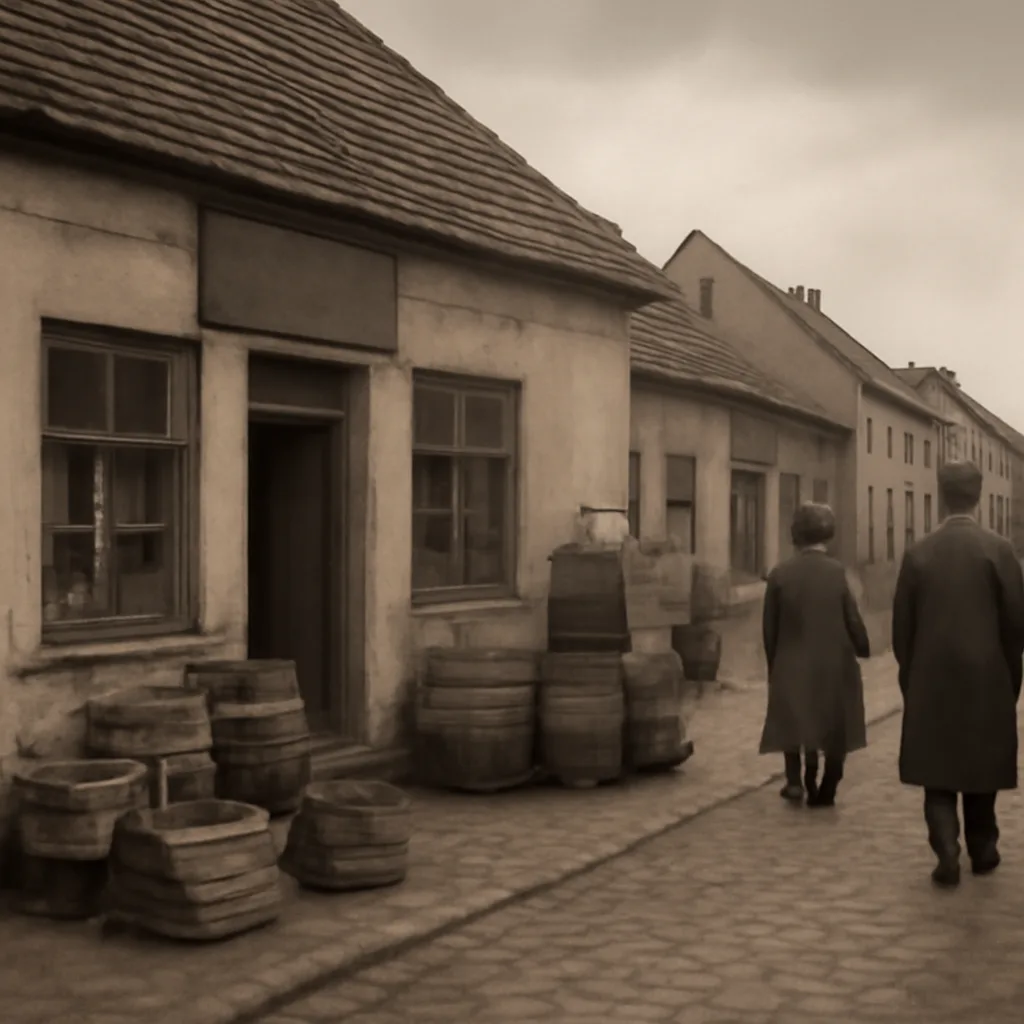
In March 1927, Poland experienced a deadly outbreak of methanol poisoning after adulterated alcoholic spirits entered civilian markets. Reports at the time described clusters of sudden illnesses and deaths among people who had consumed cheap, illegally produced or diluted spirits. Medical practitioners and authorities linked the acute symptoms—visual disturbances, gastrointestinal distress, coma and rapid fatalities—to ingestion of methyl alcohol (methanol), a toxic industrial alcohol sometimes used to denature or substitute for potable ethanol in illicit preparations. Background Poland in the 1920s was rebuilding as an independent state after World War I and faced economic difficulties, regulatory gaps and a large informal economy. Alcohol production and distribution included licensed distilleries and a widespread black market for spirits. Methanol, produced as a byproduct in some distillation processes and available for industrial uses, could be misused by unscrupulous producers to increase apparent potency or to stretch supplies of drinkable ethanol. Outbreak and response Contemporary accounts place the onset of the mass poisonings around mid- to late March 1927. Cases were reported in multiple localities as patients presented with similar acute syndromes after drinking spirits purchased from informal vendors. Physicians recognized signs consistent with methanol toxicity—headache, nausea, vomiting, abdominal pain, blurred or lost vision, and progressive central nervous system depression. The pattern and severity of illness led public health officials to investigate sources of the contaminated alcohol and to warn the public. Authorities took several measures: they attempted to trace the distribution chains of suspect spirits, shut down illicit distillation operations when located, and increased inspections of licensed producers. Newspapers of the period covered the story extensively, which amplified public concern and pressured officials to act. In some areas local governments issued bans or restrictions on sale of unregulated spirits until safer supplies could be assured. Impact and consequences Exact national morbidity and mortality figures are difficult to reconstruct precisely from surviving sources, as reporting standards and record preservation varied. However, contemporary reports and later historical accounts indicate that the incident caused a significant number of deaths and cases of permanent visual impairment among survivors—outcomes characteristic of high-dose methanol poisoning. The crisis contributed to calls for clearer regulation, improved oversight of distilleries and sales, and efforts to control the black market in spirits. Longer-term effects The 1927 poisonings reinforced broader public-health and regulatory trends in interwar Poland: authorities sought to strengthen food and beverage safety laws and enforcement capacity. Public awareness of the risks of unregulated alcohol rose after the episode, and it became a reference point in subsequent discussions about controls on production and sale of spirits. Comparable methanol poisoning incidents occurred in other countries and periods, underscoring persistent risks when industrial alcohols are diverted into the beverage supply. Limitations and sources Surviving documentation from 1927 is uneven. Contemporary newspaper reports, local medical bulletins and later historical studies provide the basis for accounts of the outbreak, but specifics—such as a definitive nationwide death toll or a single identifiable source for the contaminated spirits—remain difficult to verify conclusively. This summary avoids asserting precise casualty figures where reliable archival consensus is lacking.