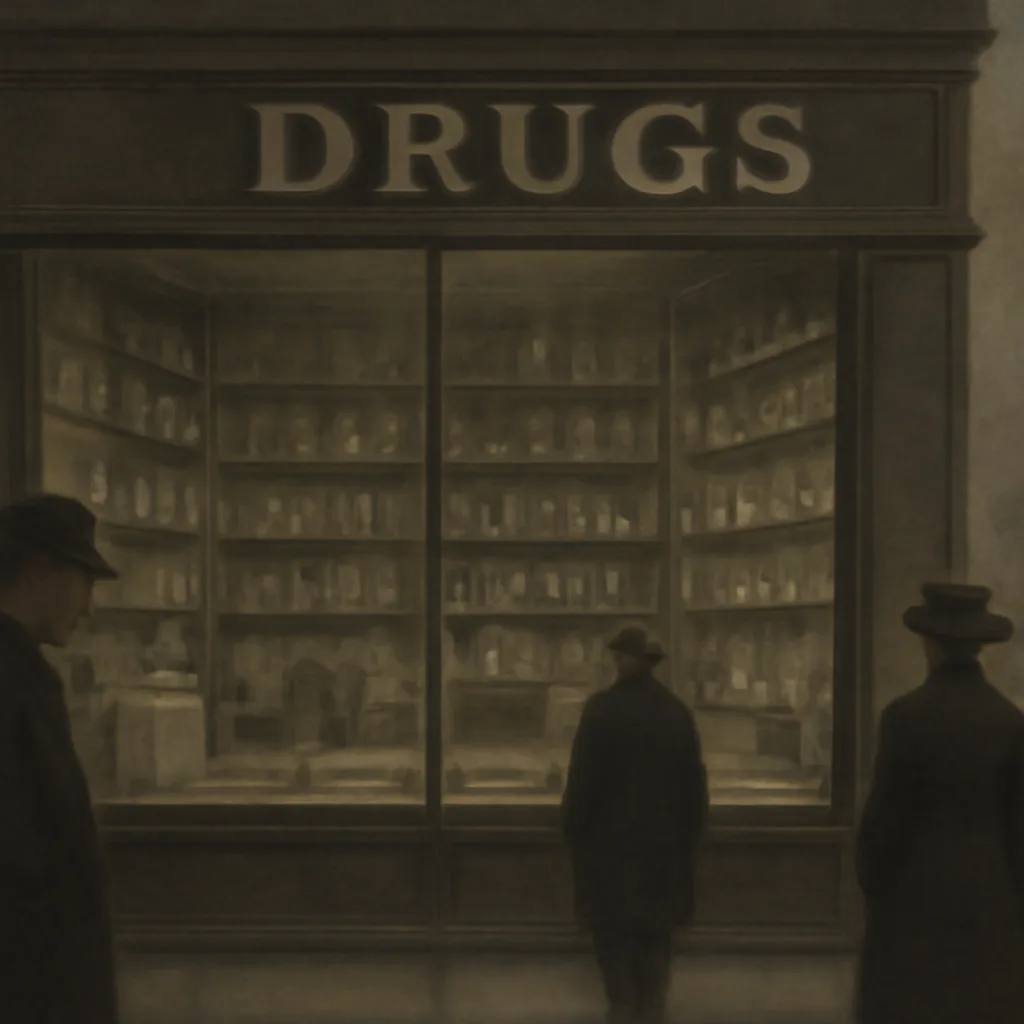
On March 17, 1901, an episode in the United States became one of the earliest well-documented instances in which a commercially sold patent medicine was clearly implicated in multiple deaths. At the turn of the 20th century, over-the-counter “patent medicines” — proprietary formulations often marketed with grandiose claims and minimal disclosure of ingredients — were ubiquitous. Many contained high doses of alcohol, opiates, chloroform, or other dangerous substances; records from physicians, coroner reports, and contemporary newspapers linked a growing number of poisonings and fatalities to such products. The 1901 case stands out because local medical and legal authorities established a direct connection between consumption of a marketed remedy and the resulting deaths. Investigations of these incidents typically relied on witness testimony, medical examinations, and, when possible, chemical analysis of remaining product samples or bodily fluids. Those early forensic efforts, although primitive by modern standards, began to reveal a pattern: remedies labeled vaguely as “elixirs,” “tonics,” or “pain cures” sometimes contained undisclosed and toxic ingredients at lethal doses, and consumers—often desperate, poorly informed, or following the recommendations of promoters—could be fatally harmed. Public and professional response to the 1901 incident joined a larger, gradual shift in attitudes toward commercial remedies. Physicians’ societies, pharmacists, and some reform-minded journalists used such cases to argue that voluntary self-regulation by manufacturers was insufficient. The accumulating evidence of harm — including verified deaths — helped build political support for stronger oversight of drug and food safety. Over the following decade, investigative journalism and public health advocacy culminated in legislation like the Pure Food and Drug Act of 1906 in the United States, which required ingredient disclosure and prohibited misbranding. That law did not immediately eliminate dangerous patent medicines, but it established a regulatory framework that made later enforcement and improvements possible. Historians caution against oversimplifying the story: not every death associated with a patent medicine resulted from an inherently poisonous product, and levels of documentation varied widely by locality and case. Some fatalities attributed to patent medicines reflected misuse, accidental overdose, or concurrent illness. Nevertheless, incidents such as the March 17, 1901 deaths were significant because they were among the earliest that contemporaries could credibly point to as direct consequences of commercial remedies, thereby shaping public perceptions and policy debates about consumer protection. In the broader context, the patent medicine era reveals tensions between medical authority, consumer demand, commercial marketing, and regulatory capacity. The medicines themselves filled real social needs—relief from pain, sleeplessness, or chronic conditions—especially for populations with limited access to professional medical care. The harms, however, highlighted the human cost of unregulated therapeutics and the limits of trust in branded claims. The documented deaths of 1901 contributed to a slow but decisive movement toward demanding transparency and safety in products sold for health. Primary-source materials documenting individual cases from this era include contemporary newspapers, coroner’s inquests, medical journal reports, and court records. Secondary scholarship on the patent medicine phenomenon and the development of food and drug regulation places specific incidents like the March 1901 deaths within a longer arc of public-health reform. Where details of any single early case remain incomplete or disputed, historians note those uncertainties rather than assert unverified specifics.