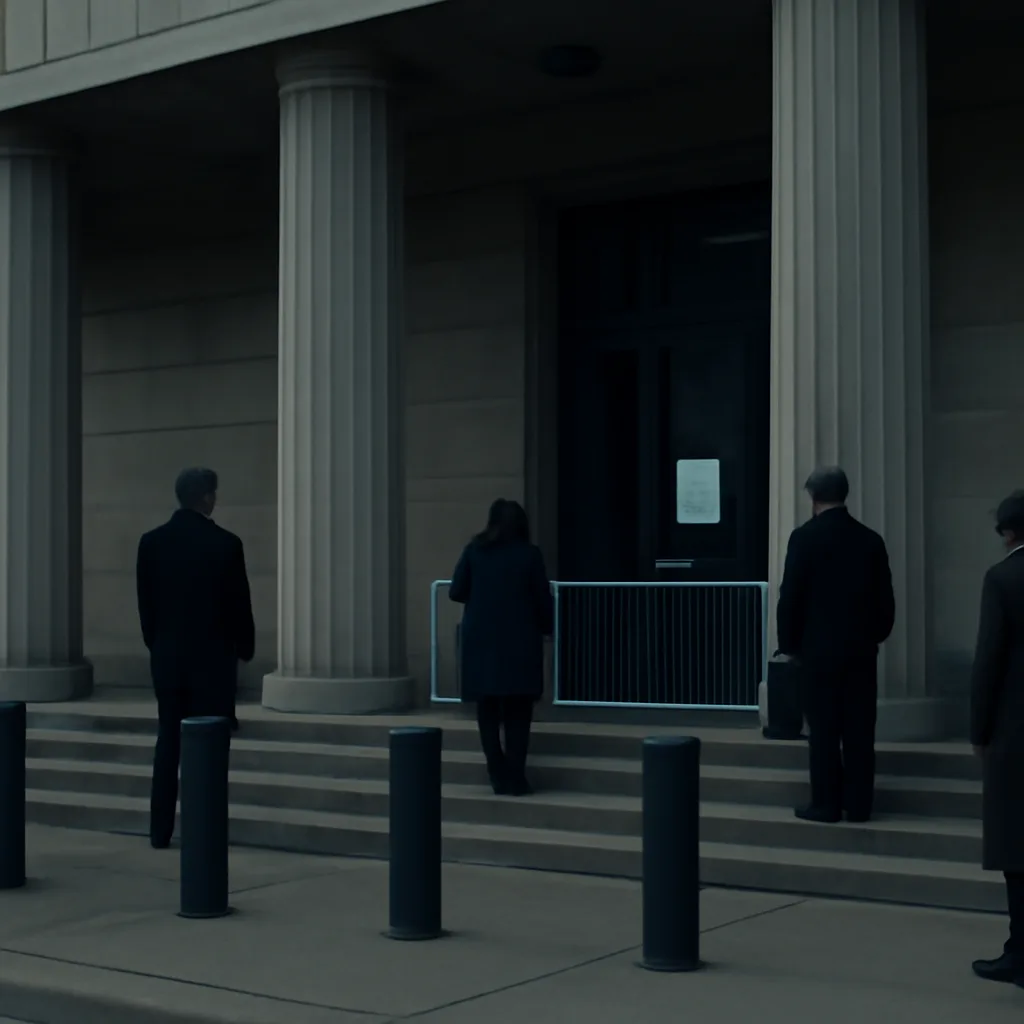
On the evening of Sept. 30, congressional negotiations over appropriations collapsed, and the federal government entered a partial shutdown. Absent enacted spending bills or a continuing resolution, agencies moved to implement contingency plans that halt nonessential operations and place numerous federal workers on furlough. What a shutdown means A partial shutdown typically affects departments and programs that lack current-year appropriations. Services deemed essential for public safety, national security, or the protection of life and property generally continue. Affected activities can include national parks and museums closing, processing delays for certain permits and services, and paused noncritical research and grant programs. Federal workers in affected roles are often furloughed without pay, though historically Congress has sometimes authorized back pay after a shutdown ends. Immediate impacts Travel and public-facing services often show early disruptions: national parks may close or reduce services, and processing centers for visas, passports, and some benefits can slow. Contractors and grantees can face payment delays. Agencies responsible for regulatory oversight and administrative functions frequently operate with reduced staff, which can delay inspections, permits, and routine enforcement actions. Economic and fiscal effects Short-term economic effects depend on shutdown length and scope. Consumer spending by furloughed workers can decline, and local economies that rely on federal employees or visitor traffic (for example, near federal museums or parks) can feel immediate strain. Prolonged shutdowns can shave growth from economic output and complicate fiscal planning; however, effects vary by shutdown size and duration. Political dynamics Shutdowns typically arise from disagreements over spending priorities, policy riders attached to appropriations, or broader political standoffs. In this instance, lawmakers were unable to reconcile competing funding proposals before the midnight deadline. Responsibility for resolving the impasse falls to congressional leaders and the White House; resolution options include passing one or more appropriations bills, a short-term continuing resolution to restore funding temporarily, or a bipartisan compromise on disputed provisions. Duration and resolution paths The length of the shutdown will shape its consequences. Short shutdowns have often ended within days after political pressure mounted; longer shutdowns (lasting weeks) have historically caused greater disruption and economic cost. Lawmakers can end the shutdown by advancing funding legislation through both chambers and securing the president’s signature, or by passing stopgap measures while negotiations continue. Public response and administration guidance Agency leadership typically issues guidance to employees and the public describing which functions continue and which halt. Affected employees receive notices explaining furlough status and expectations. The public is advised to check agency websites or official communications for updates on services such as park access, benefit processing, or agency hotlines, though those resources themselves can be limited during a shutdown. Historical context Government shutdowns have recurred in modern U.S. history when appropriations lapse. Each episode has differed in scope and political cause, but patterns include immediate service disruptions, pressures on furloughed workers, and political maneuvering in Congress. Past shutdowns ended through negotiated agreements, temporary measures, or shifts in legislative strategy. What to watch next Key indicators to follow include statements and proposals from congressional leaders and the administration, votes on appropriations or continuing resolutions in the House and Senate, and agency notices on service status. The timeline for reopening affected agencies will depend on how quickly lawmakers reach an accord and whether temporary funding measures are enacted. Note on sourcing This summary describes typical effects and procedures when federal appropriations lapse; specific agency actions and impacts will be detailed in official announcements and appropriations text once available.